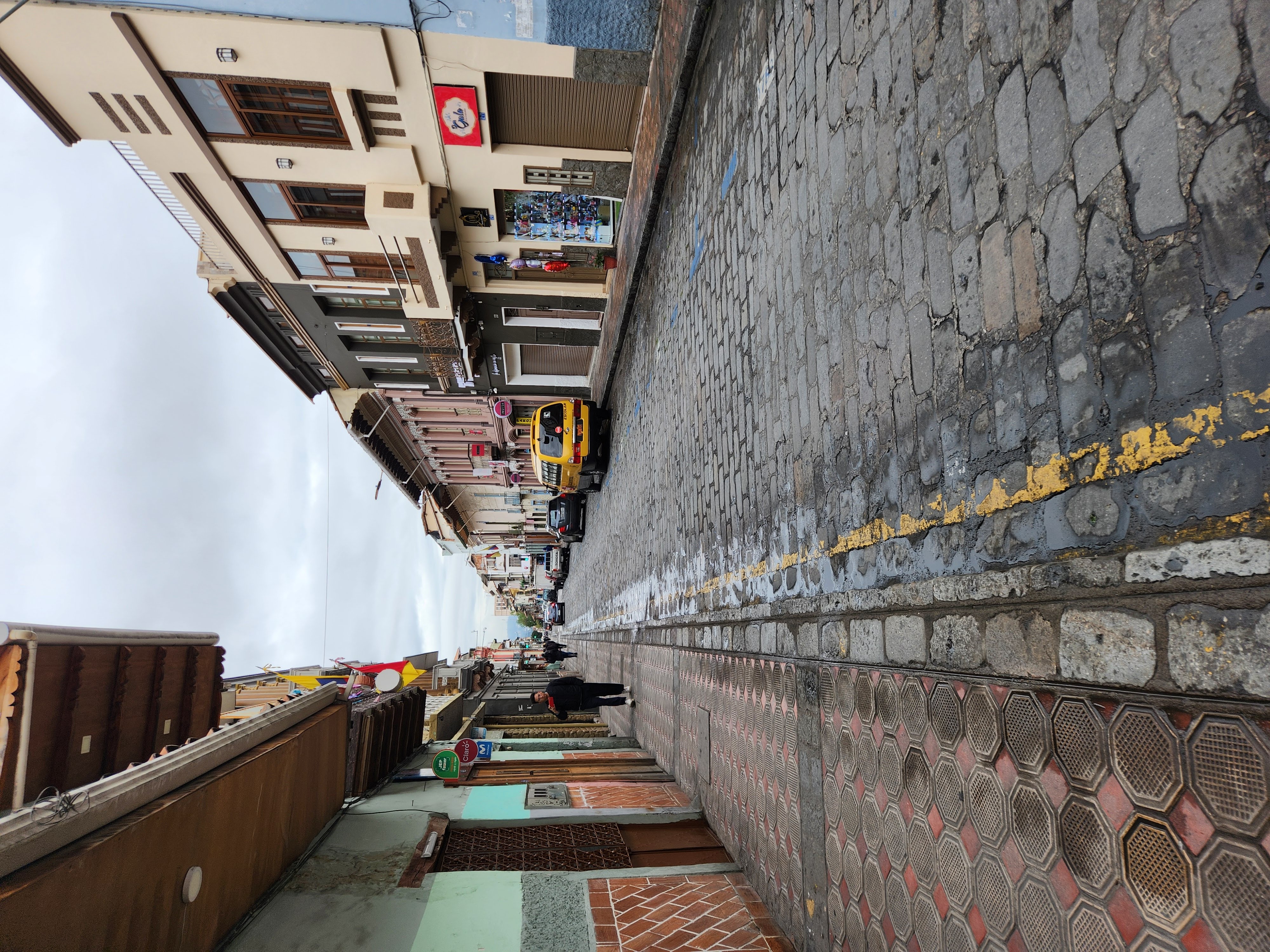
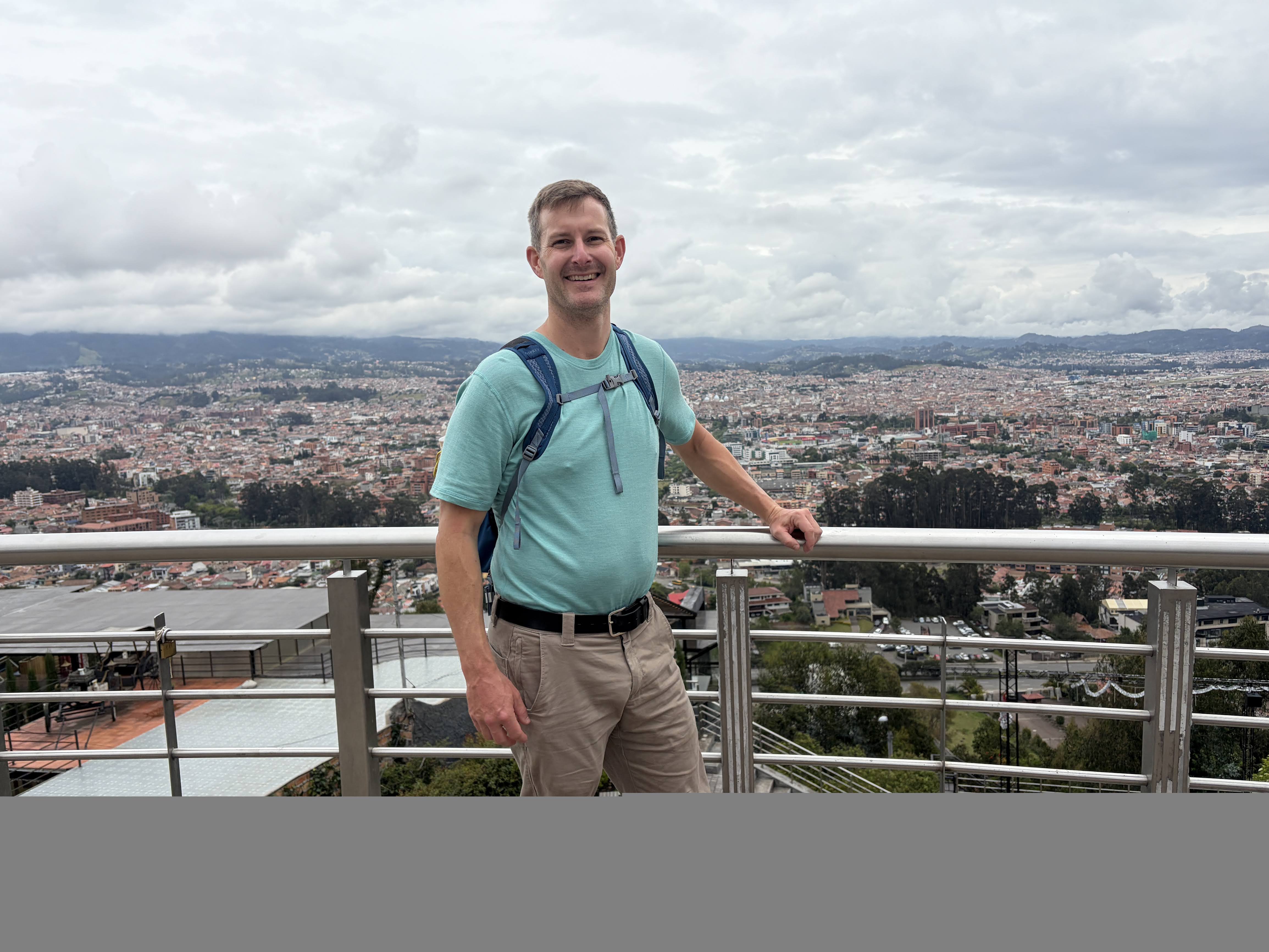
Ok, now I am really going to tell you about Cuenca. As I had mentioned in the last entry, the town had come highly revered in all of our pre-trip research with travelers raving about the architecture, culture, and food. It is the third most populous city in the country, is located in the sierra of the Andes in the southern region of Ecuador, and is home to a large population of US expats. The central historic district, where our hotel, Casa Montalvo, was located, is recognized as a UNESCO World Heritage Site.
When we arrived the night before, the hotel manager, Wilmer, immediately went above and beyond helping us secure our next travel leg, and the entire hotel staff seemed thoroughly devoted to making sure every detail of our stay was to our liking. We had walked a few blocks to a Mexican restaurant for dinner, and while the food was decent, it was overpriced for what it was. After dinner we came back and retired for the evening.
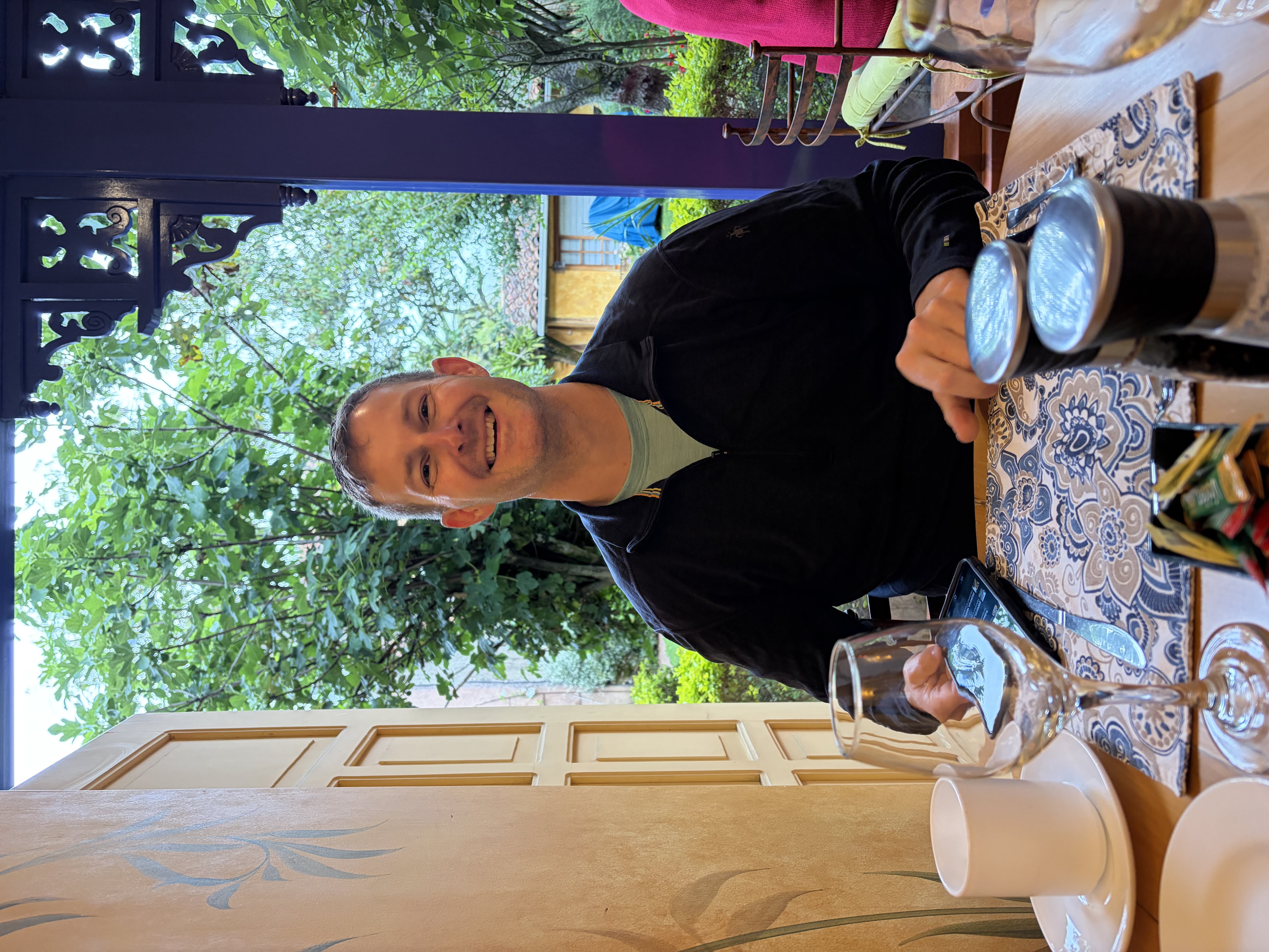
The breakfast at Casa Montalvo was remarkable and featured some traditional Ecuadorian breakfast foods: bolón de verde (fried green plantain balls with cheese/pork), and tigrillo (scrambled plantain hash).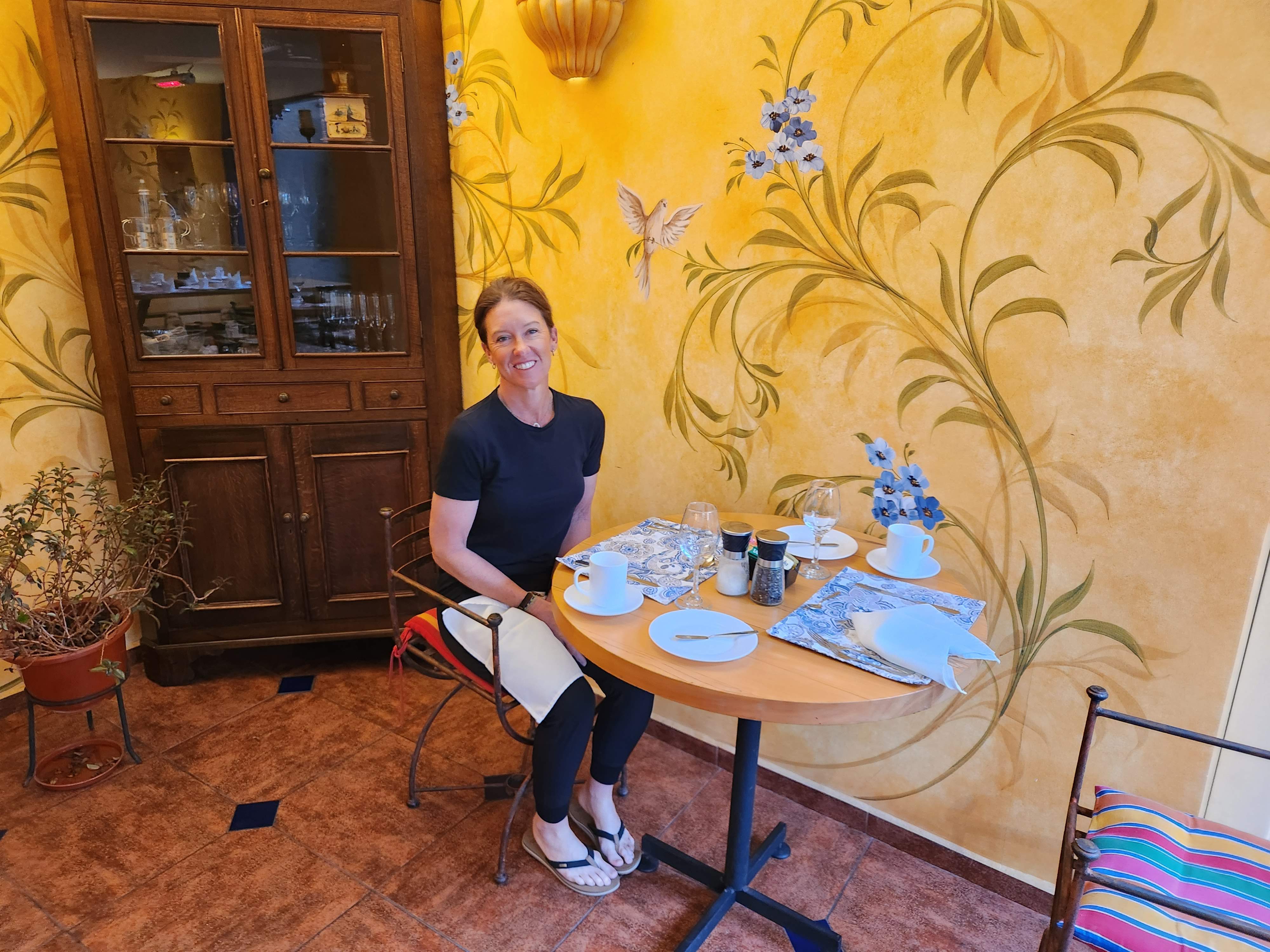
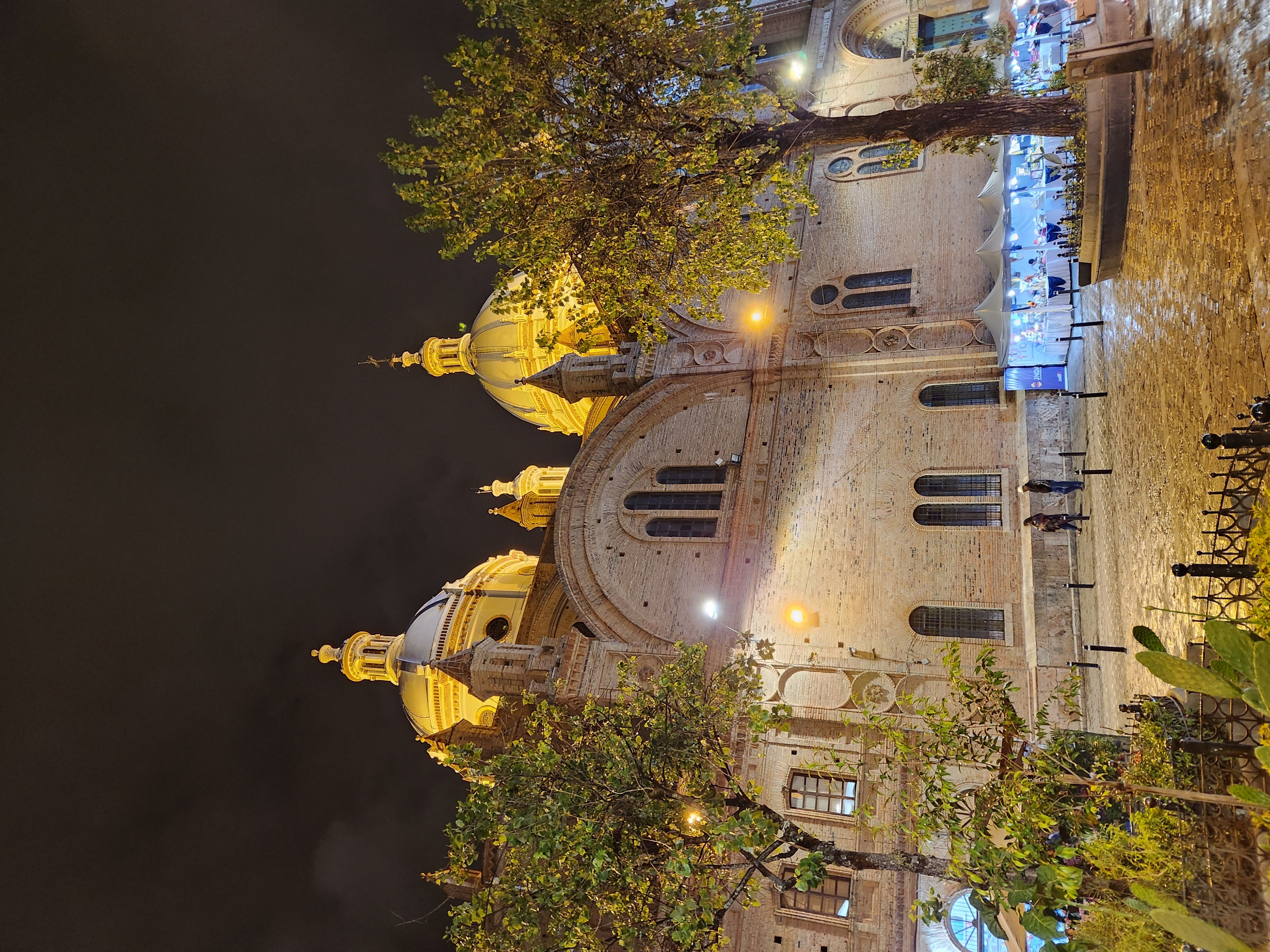
After breakfast we headed to check out the central historic district, specifically we went to look for the famous blue domes of the New Cathedral of Cuenca aka the Cathedral of the Immaculate Conception. The word “new” is relative here however, as the construction of the cathedral began in 1885. The church is topped by three giant domes that are covered in blue and white glazed tile from Czechoslovakia, and they give Cuenca its distinct skyline. The cathedral was just a few minutes walk from Casa Montalvo and we found it easily. However, the view of the domes wasn’t great this close up, and it wasn’t until the next phase of our day that we got a better view of them.
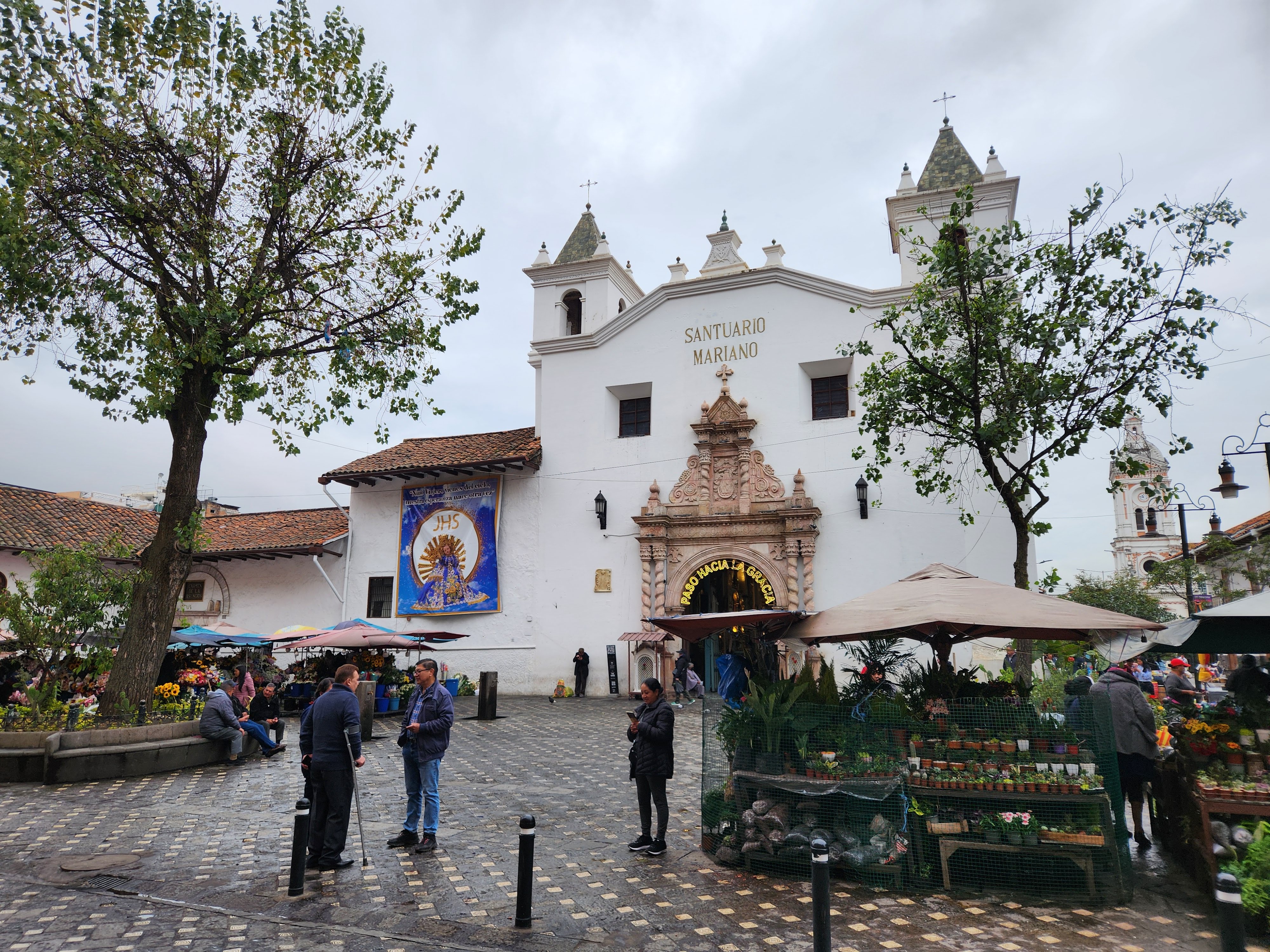
We continued strolling around the historic district and checking off the highlights that Scott had marked for us on Google Maps as points of interest. One of the most interesting, and certainly the loveliest, was the famous flower market, located in the Plaza de las Flores. Even the name is lovely: the Plaza of Flowers. Ecuador is the third largest exporter of cut flowers, and it was WILD to see how inexpensive they were. On the bus ride to Cuenca we had seen rows of commercial greenhouses upon rows of commercial greenhouses tucked into valleys. (Ever the pragmatist, when Scott offered to buy me a dozen roses later that evening, I declined because I did not want to have to carry them on our bus ride the next day, nor would I want to throw them away immediately. I told him that I’d take a rain check, redeemable back in the US, but that he shouldn’t expect the unbelievably low prices that we were seeing here! For the record however, he received brownie points for the offer.)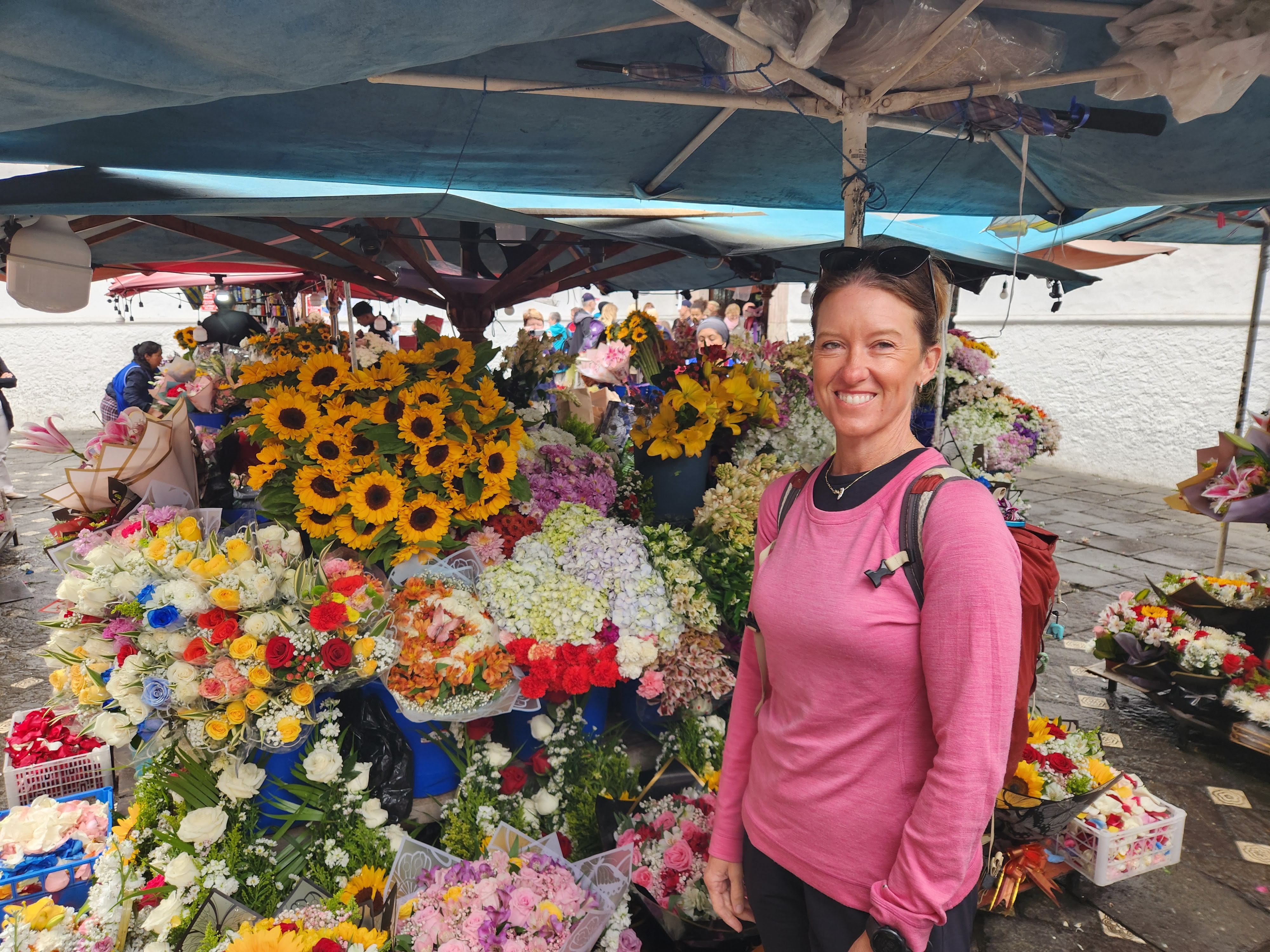
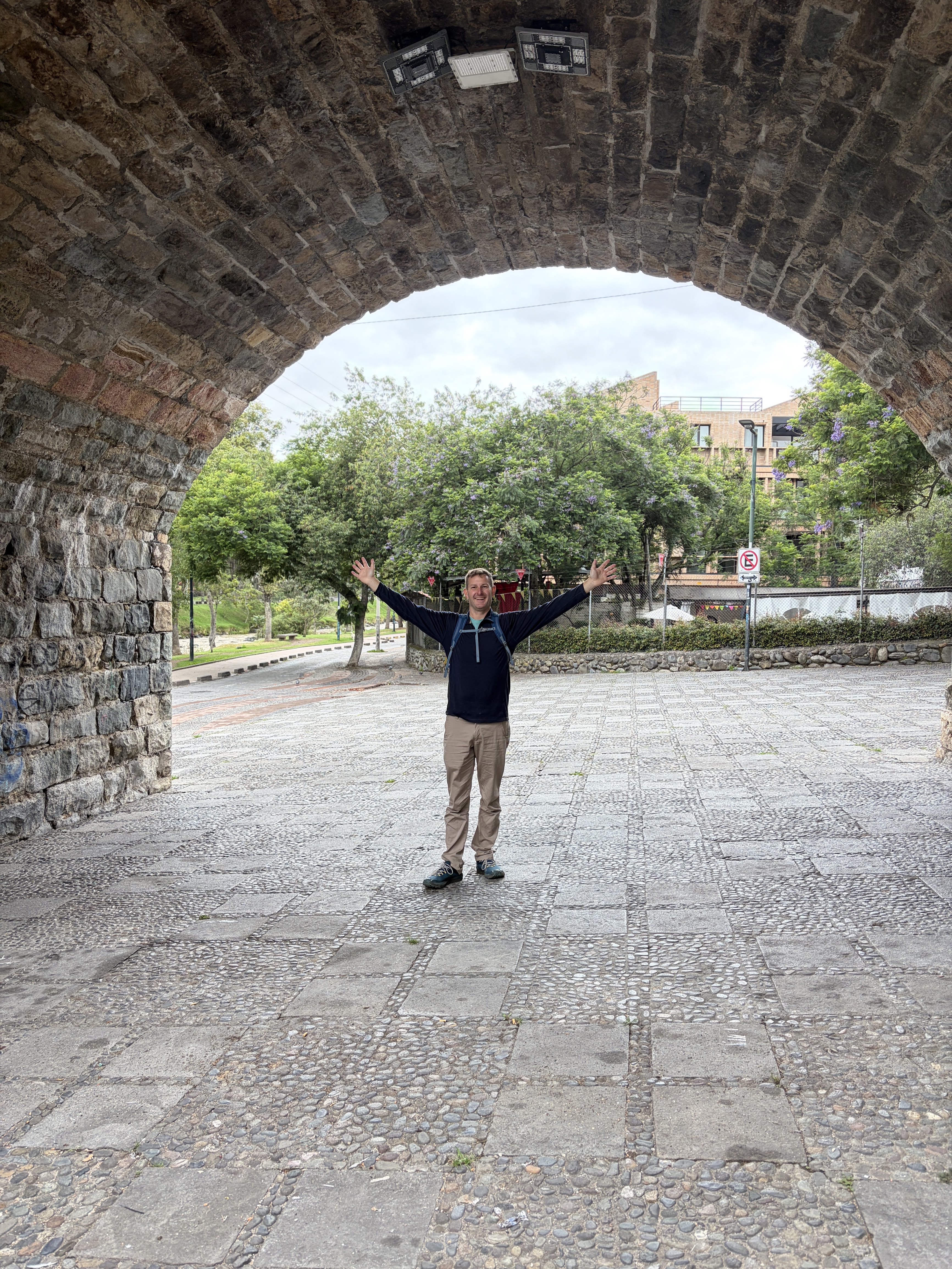
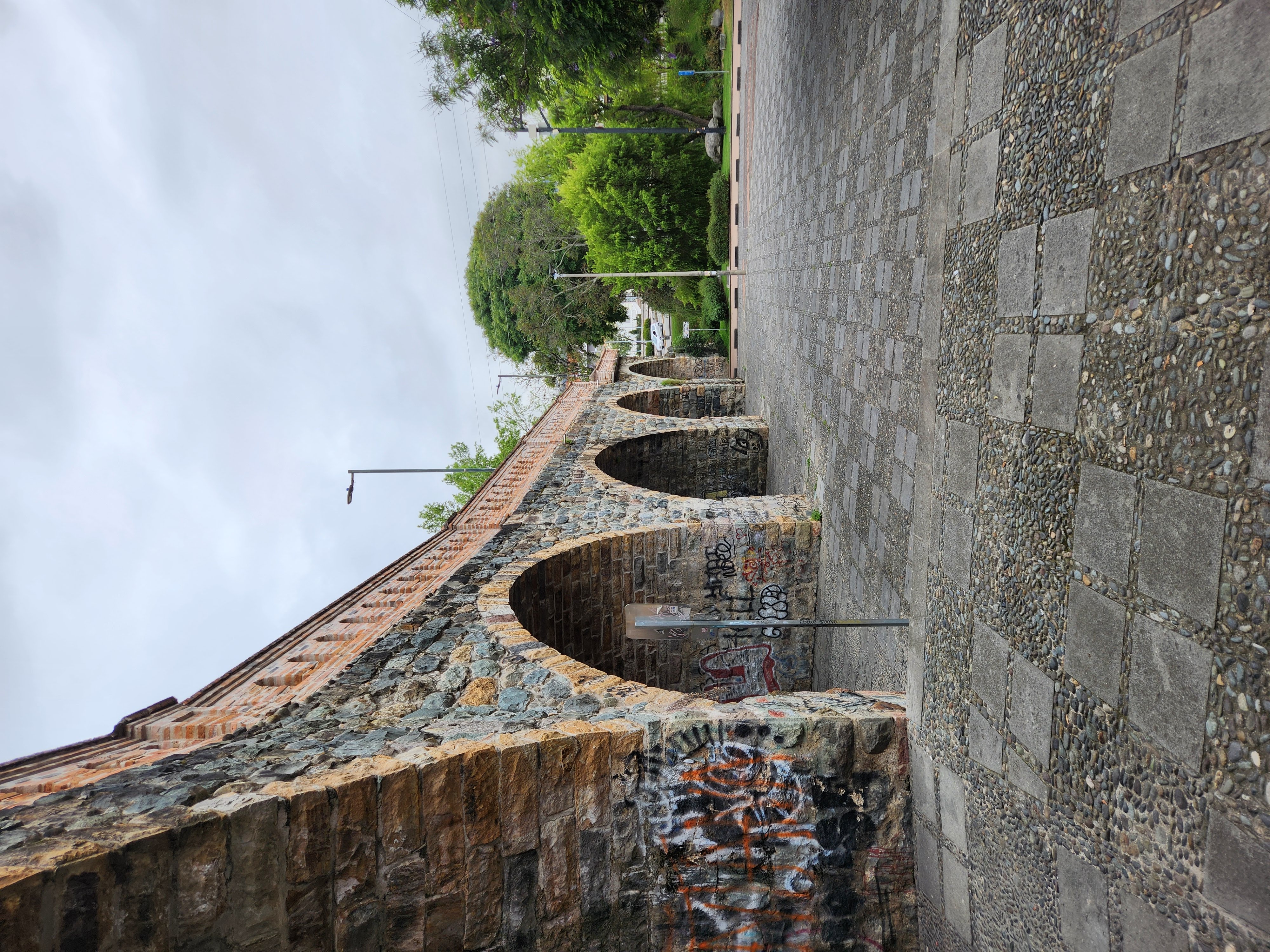
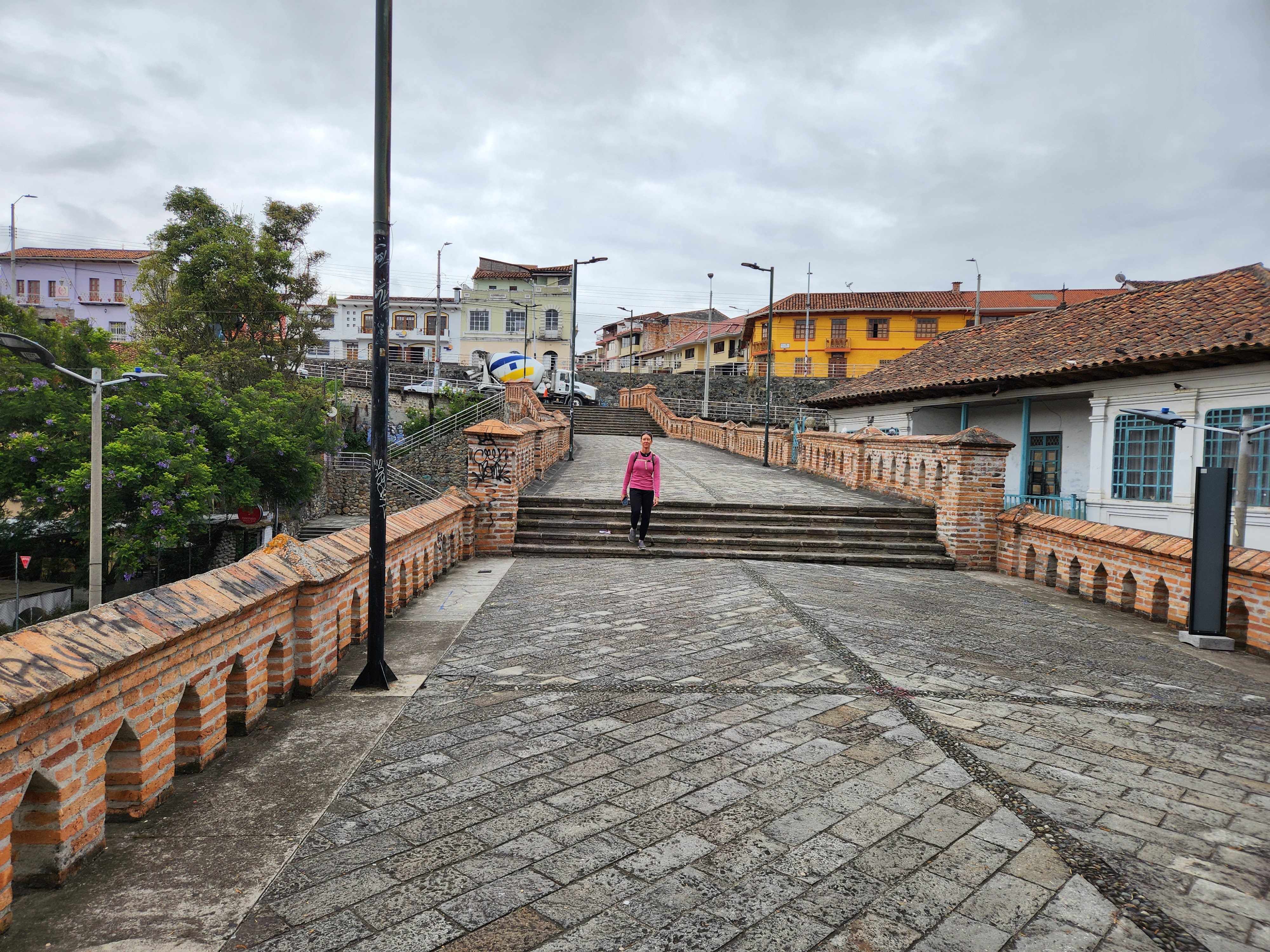
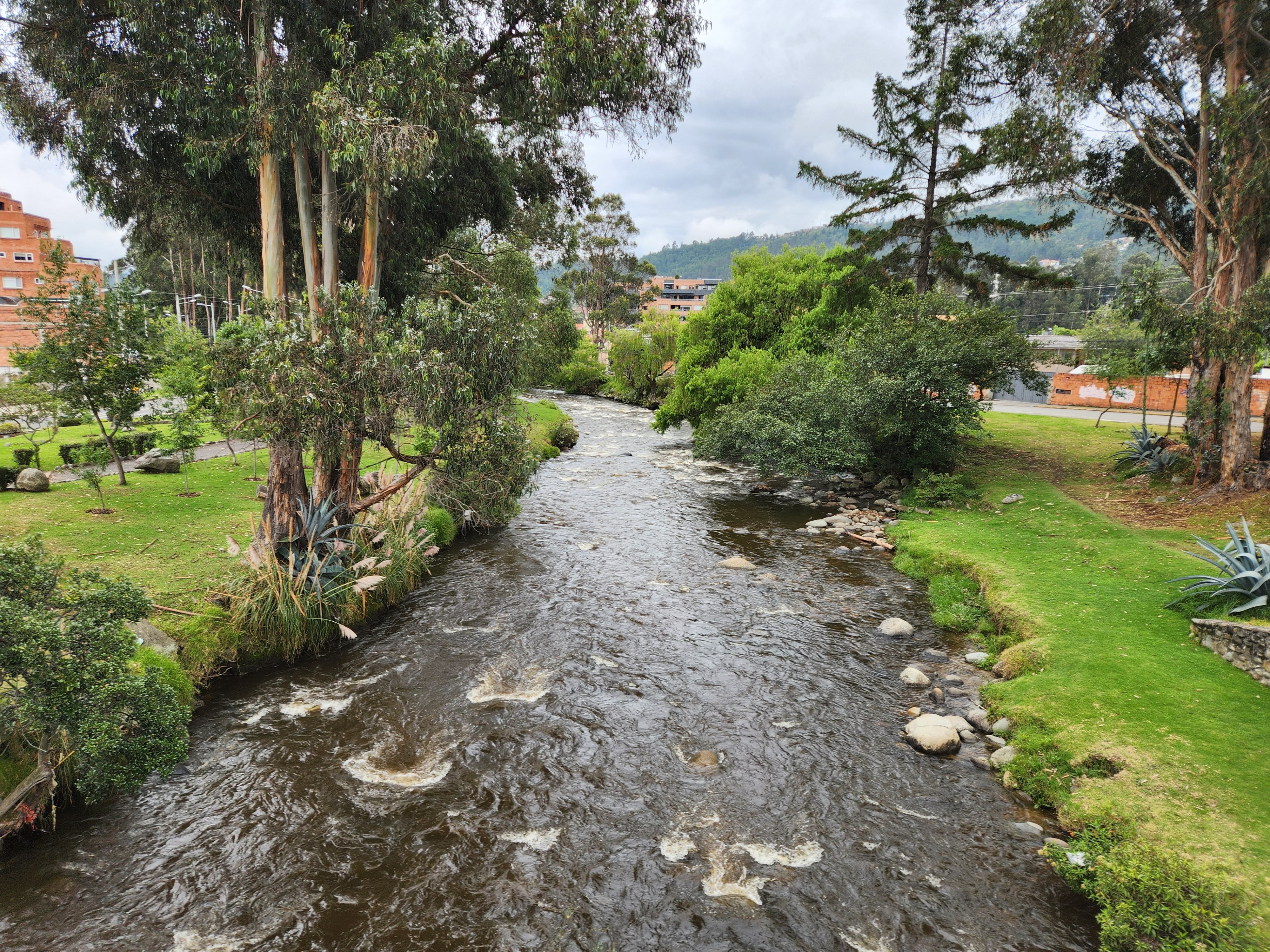
We found our way to the Tomebamba River so that we could enjoy the paved trail, or river walk, that runs alongside it. We walked a few kilometers along it and took in the scenery. On our left was the old town, or central historic district, and on our right, separated by a multi-laned road was the more modern business district. We saw lots of other walkers, joggers, and dog walkers along the way.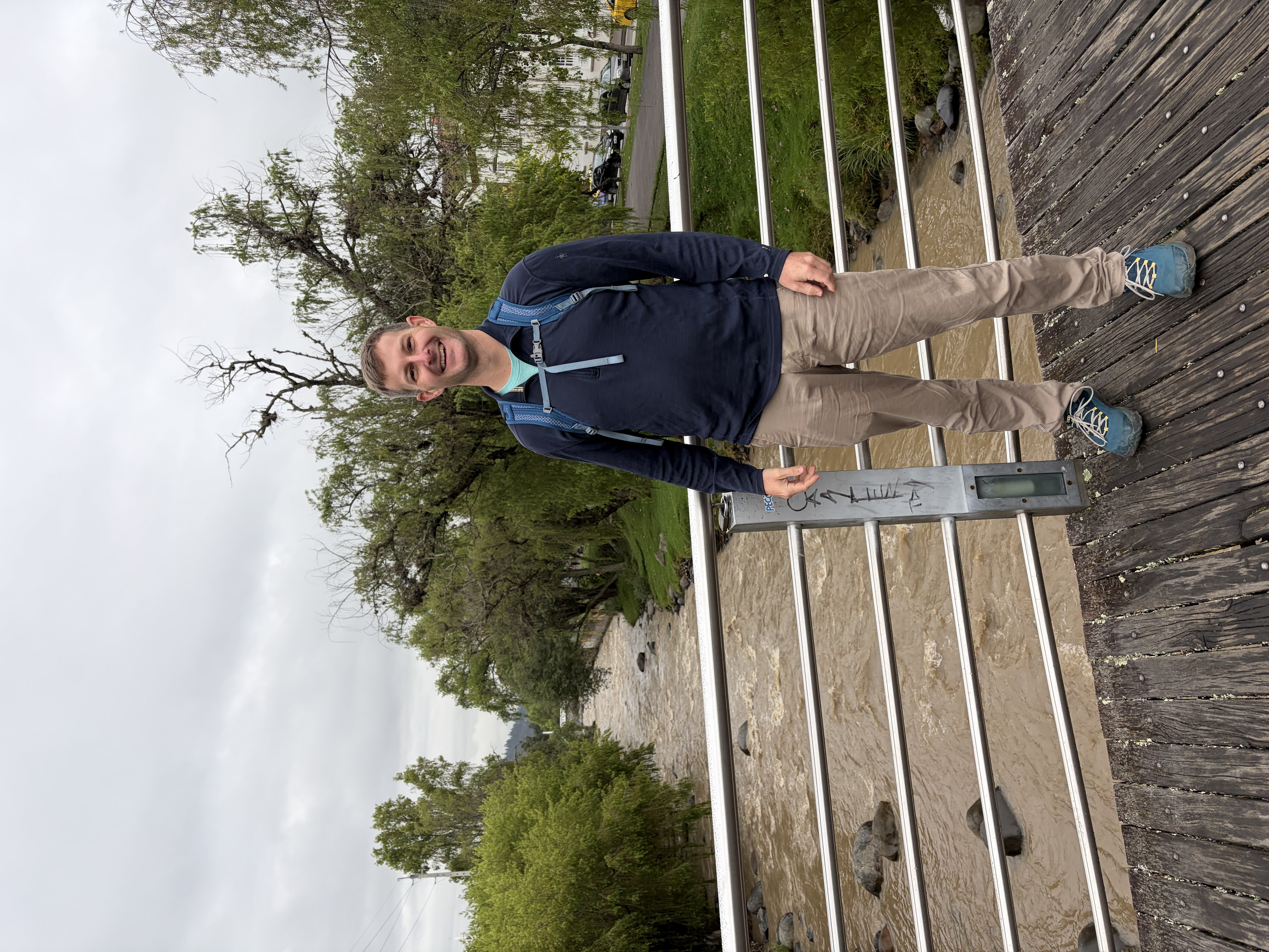
It was overcast and threatening rain. Tired from our non-stop adventuring over the last nearly two weeks, it would have been easy to head back to the hotel for a nap, but we (you can really guess who!) decided to suck it up and go check out the neighborhood of Turi. Turi sits above Cuenca and looks out over the city and offers the best perspective and views of the city, especially the blue cathedral domes. It was a 3 mile walk from the city square and we agreed that if it started raining then we could take a taxi, either to continue up to the top, or back to the hotel.
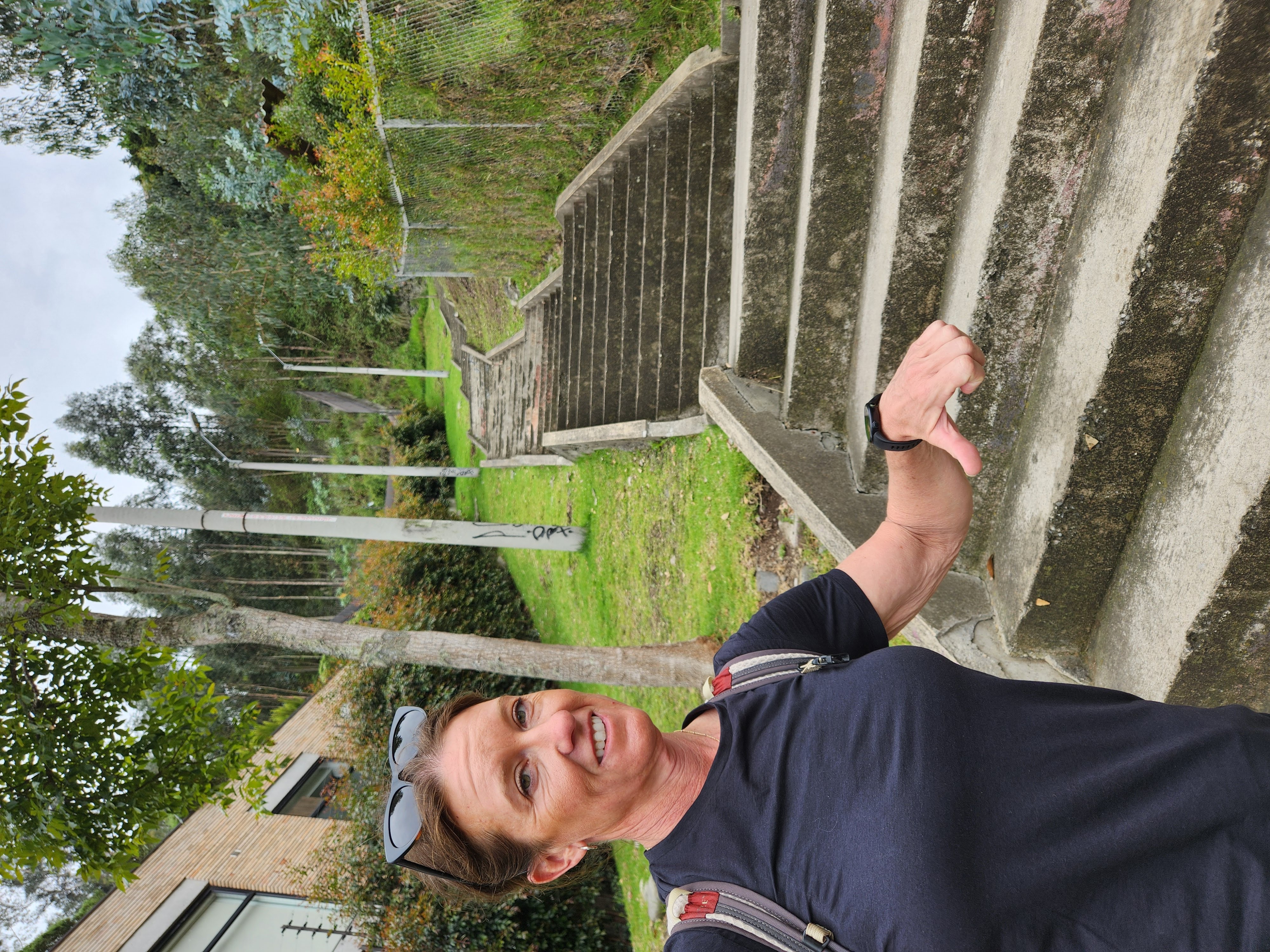
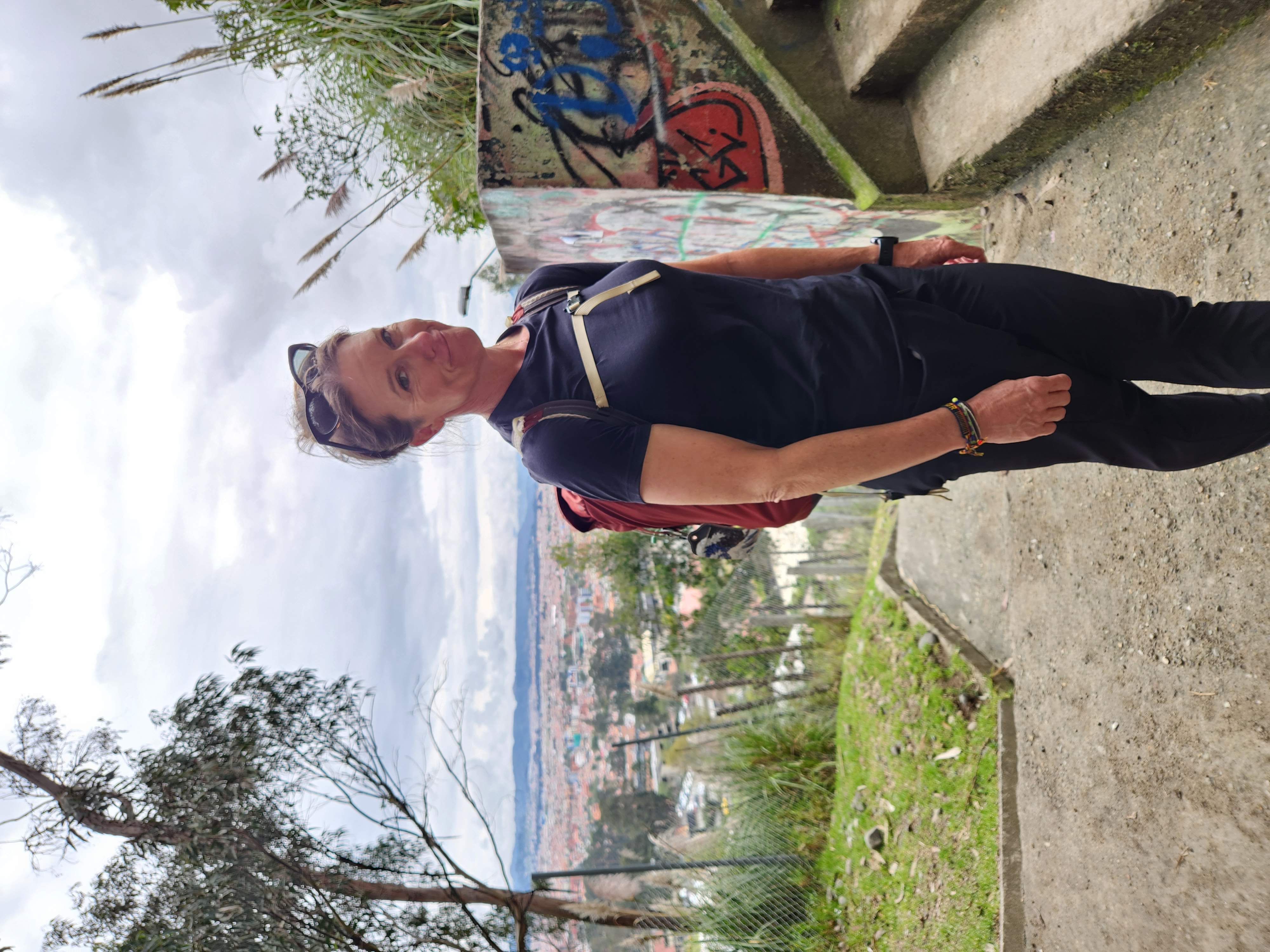
The weather held, but as you might expect from a neighborhood that is perched atop a scenic overlook, it was hilly. Rather hilly in fact. And there were stairs. So many stairs. 439 stairs to be precise. And we climbed them. I didn’t give up, but I sure did complain the whole time, but eventually we made it to the top.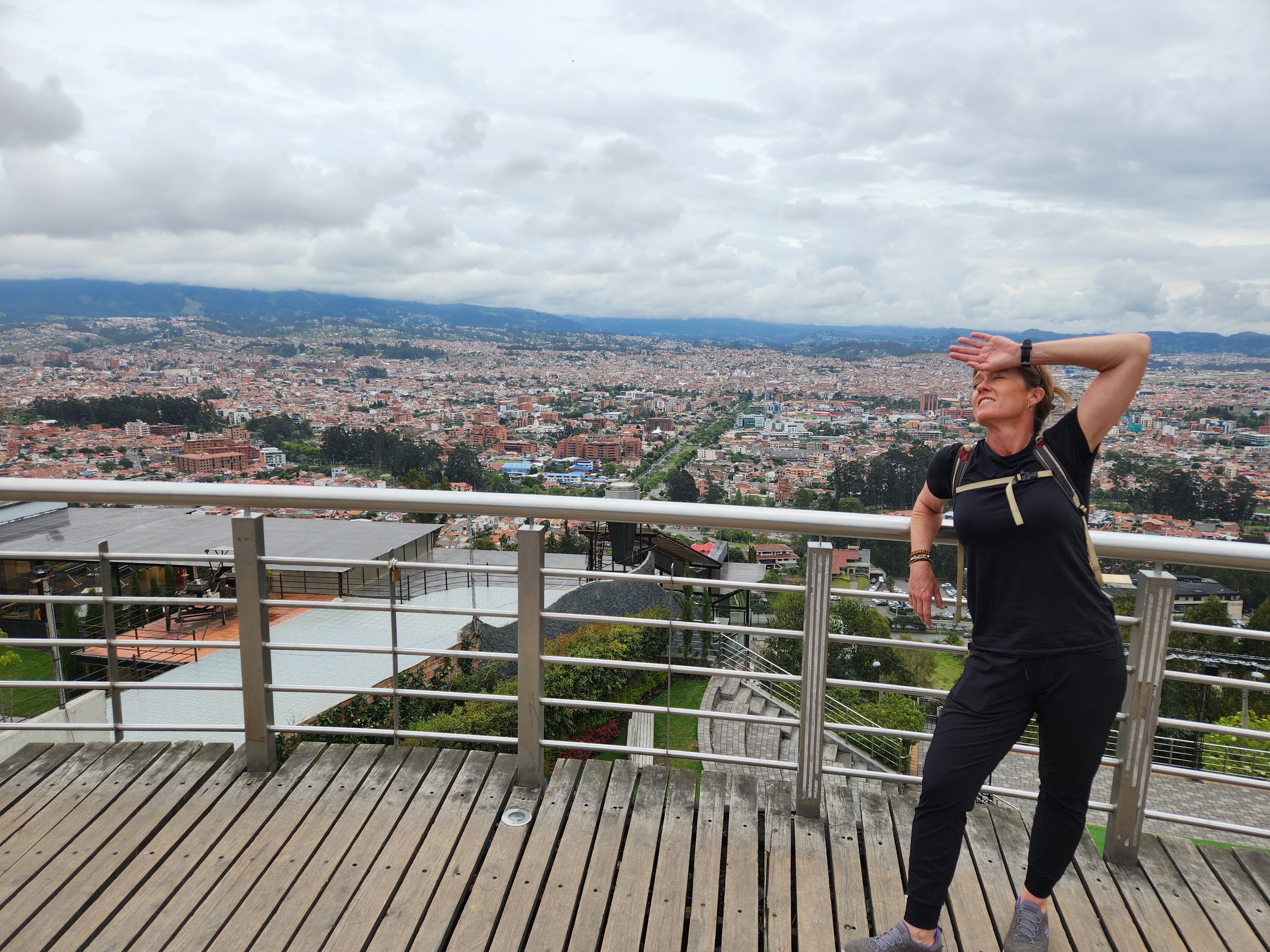
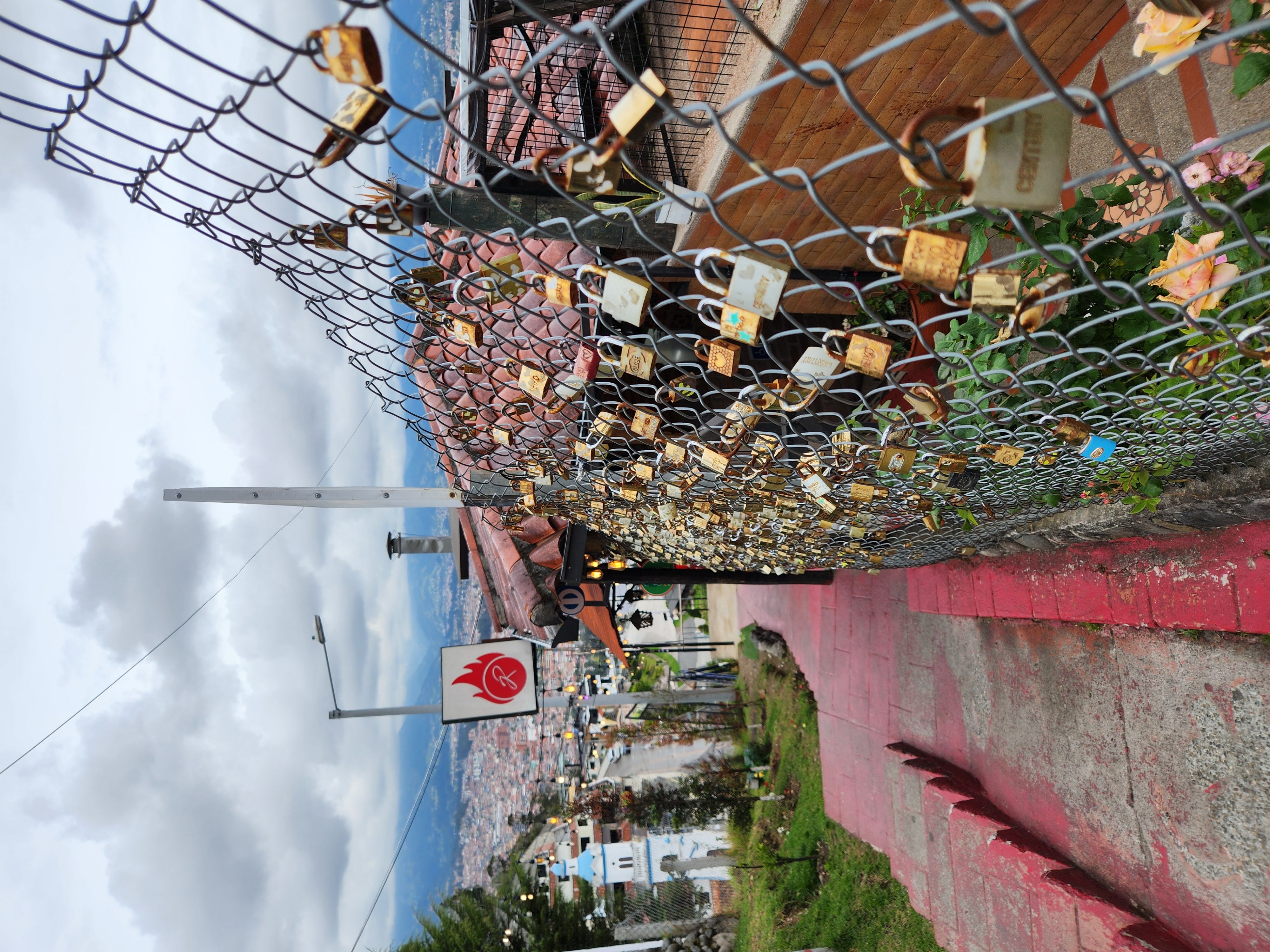
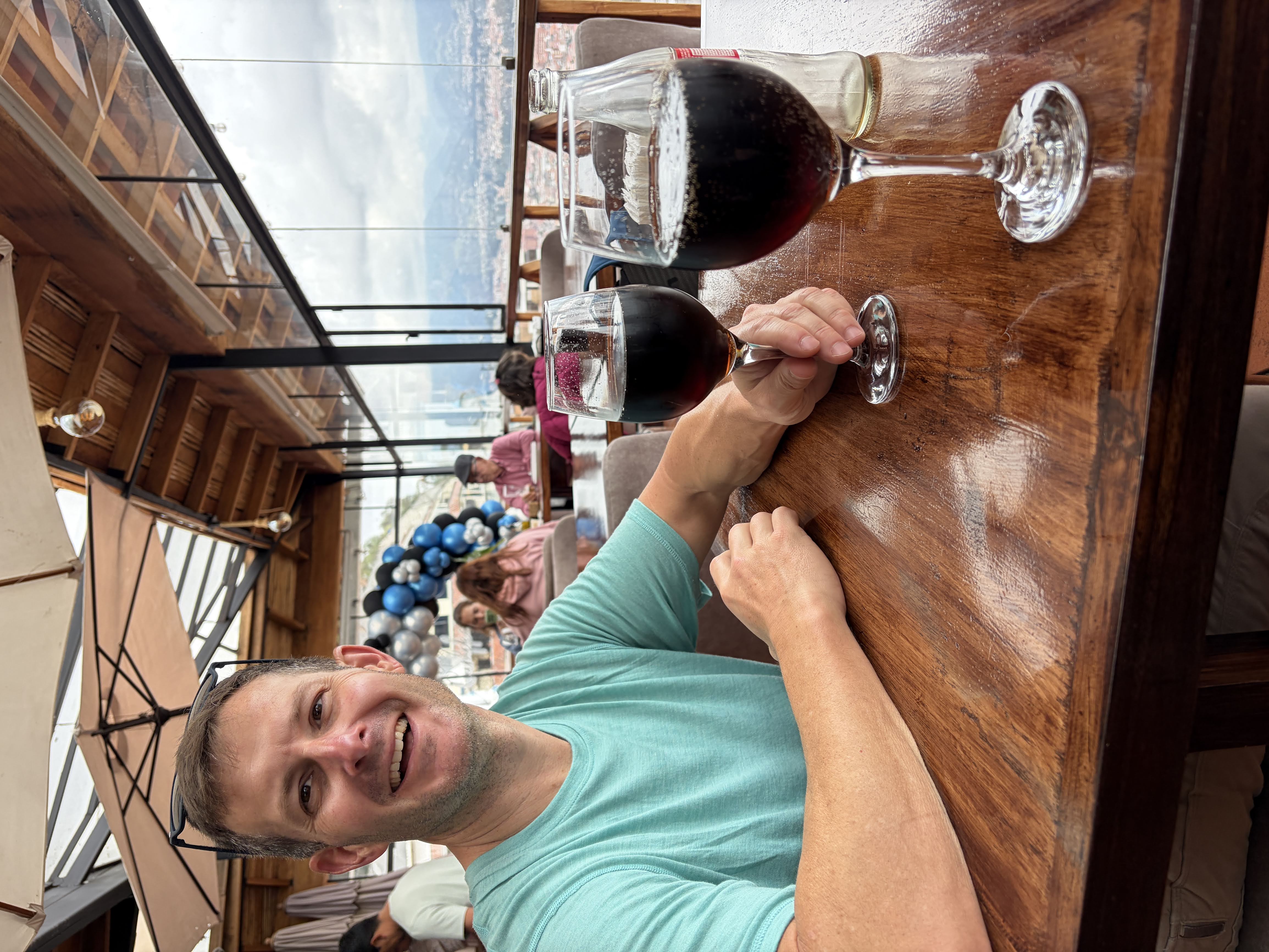
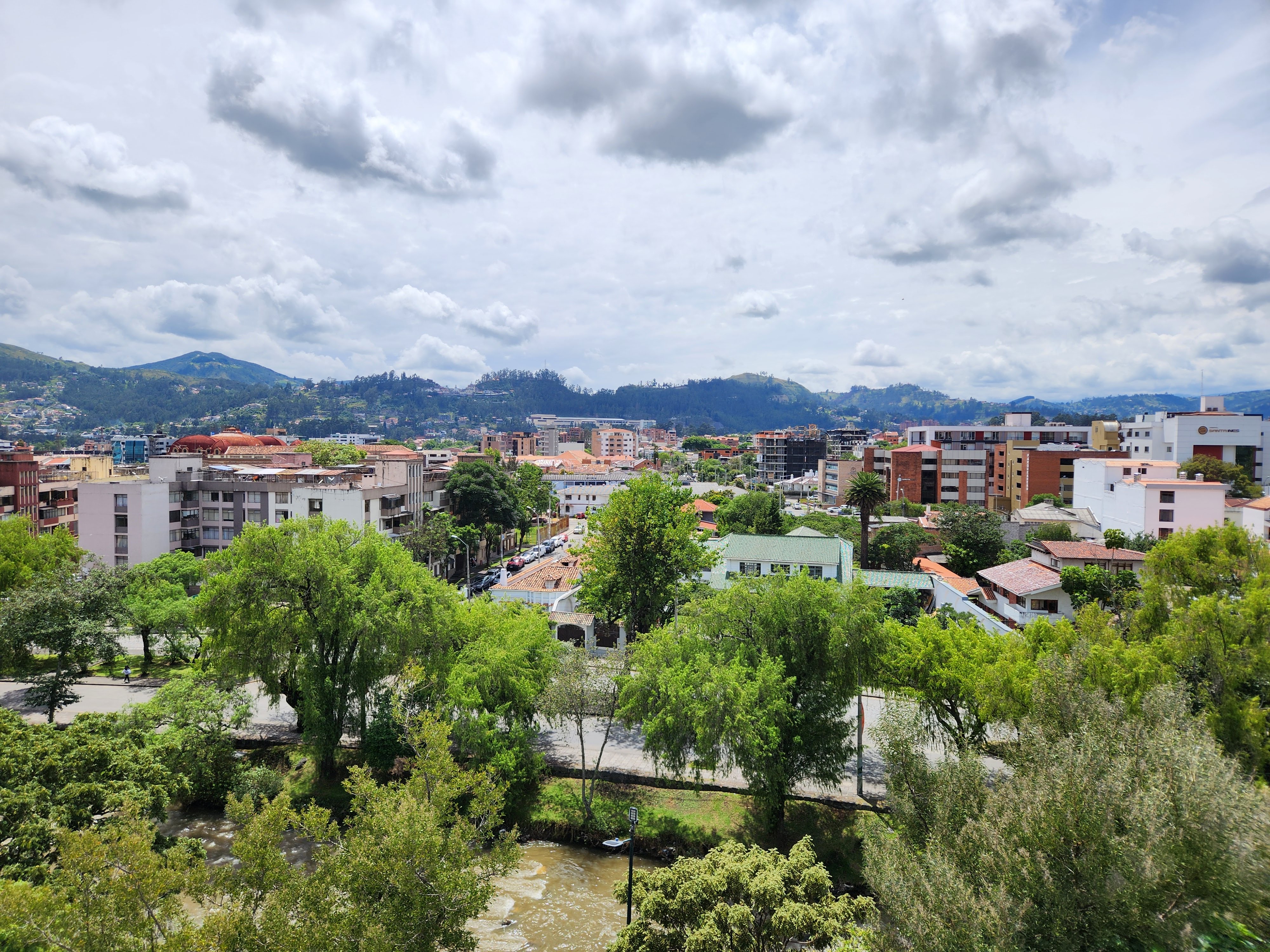
I’ll admit that the view was worth the climb, despite the clouds and overcast sky. We had the perfect view out over the expanse of Cuenca and it was fun to pick out the cathedral’s blue domes and use them to figure out roughly where Casa Montalvo was. We strolled around the neighborhood of Turi for a bit, checked out a few of the other viewpoints that were up there, and then found a well positioned cafe to sit and have a Coke. We sipped and gazed out at the red terra cotta tiled rooftops in the valley below that we had just walked from.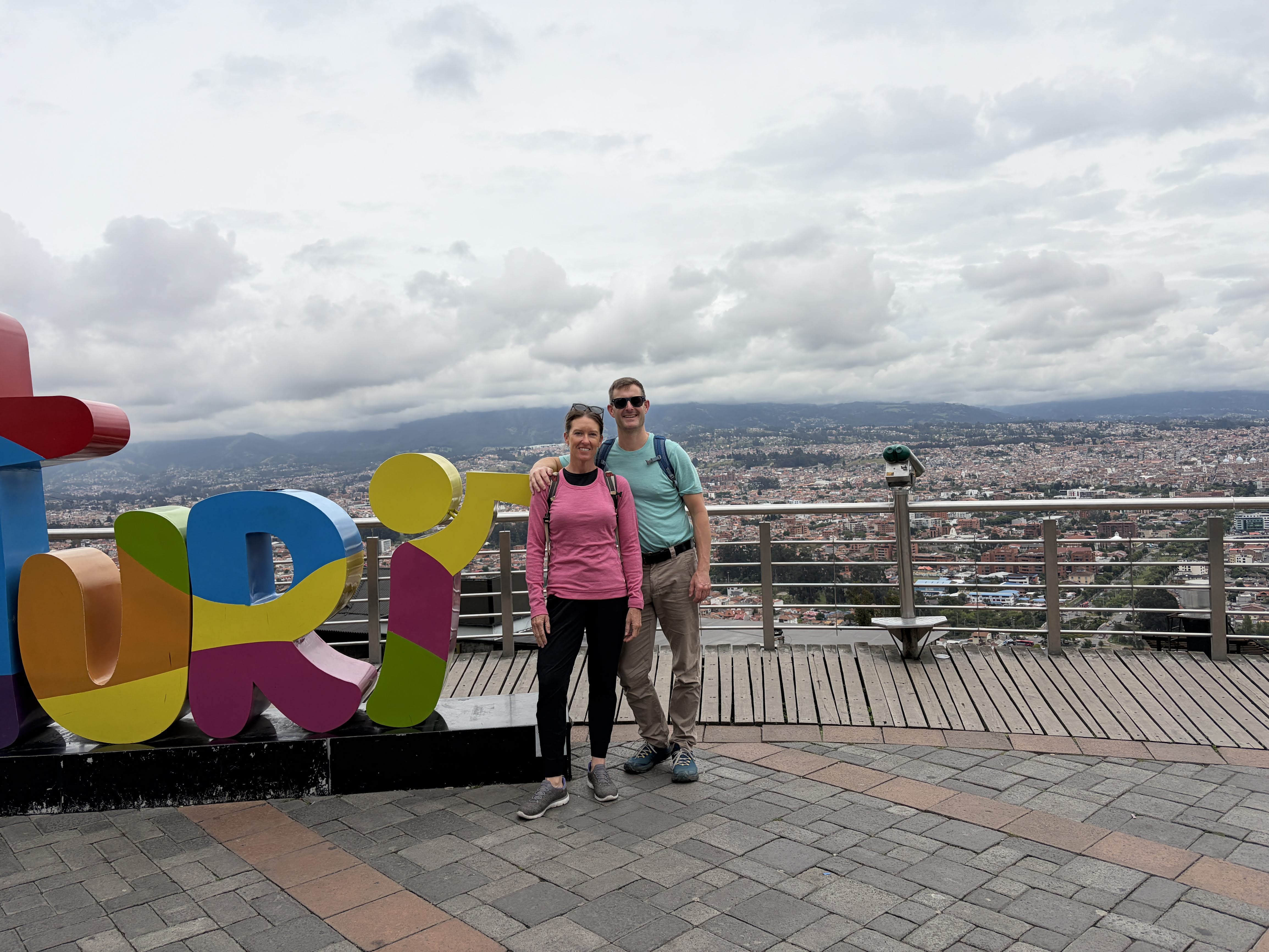
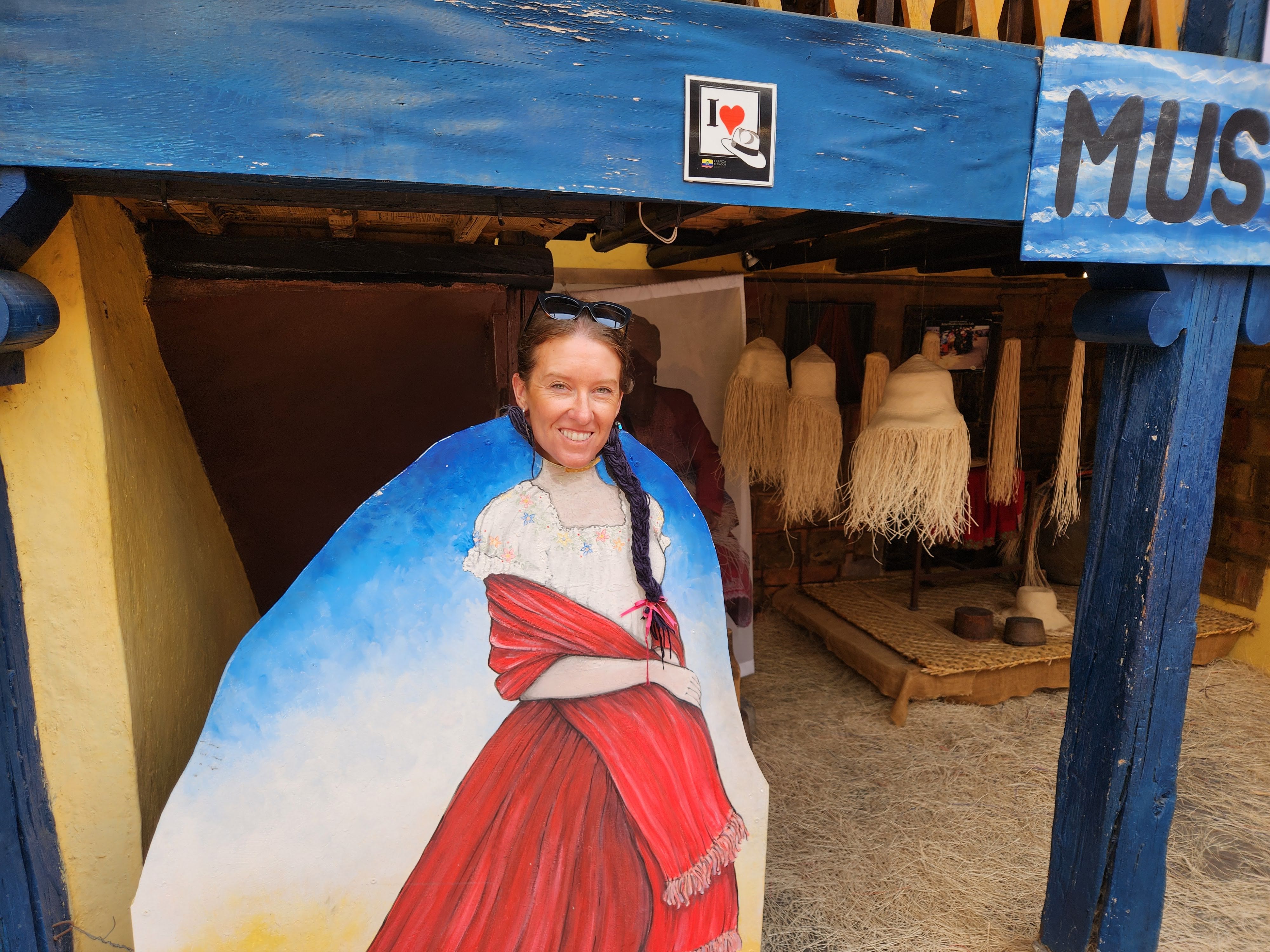
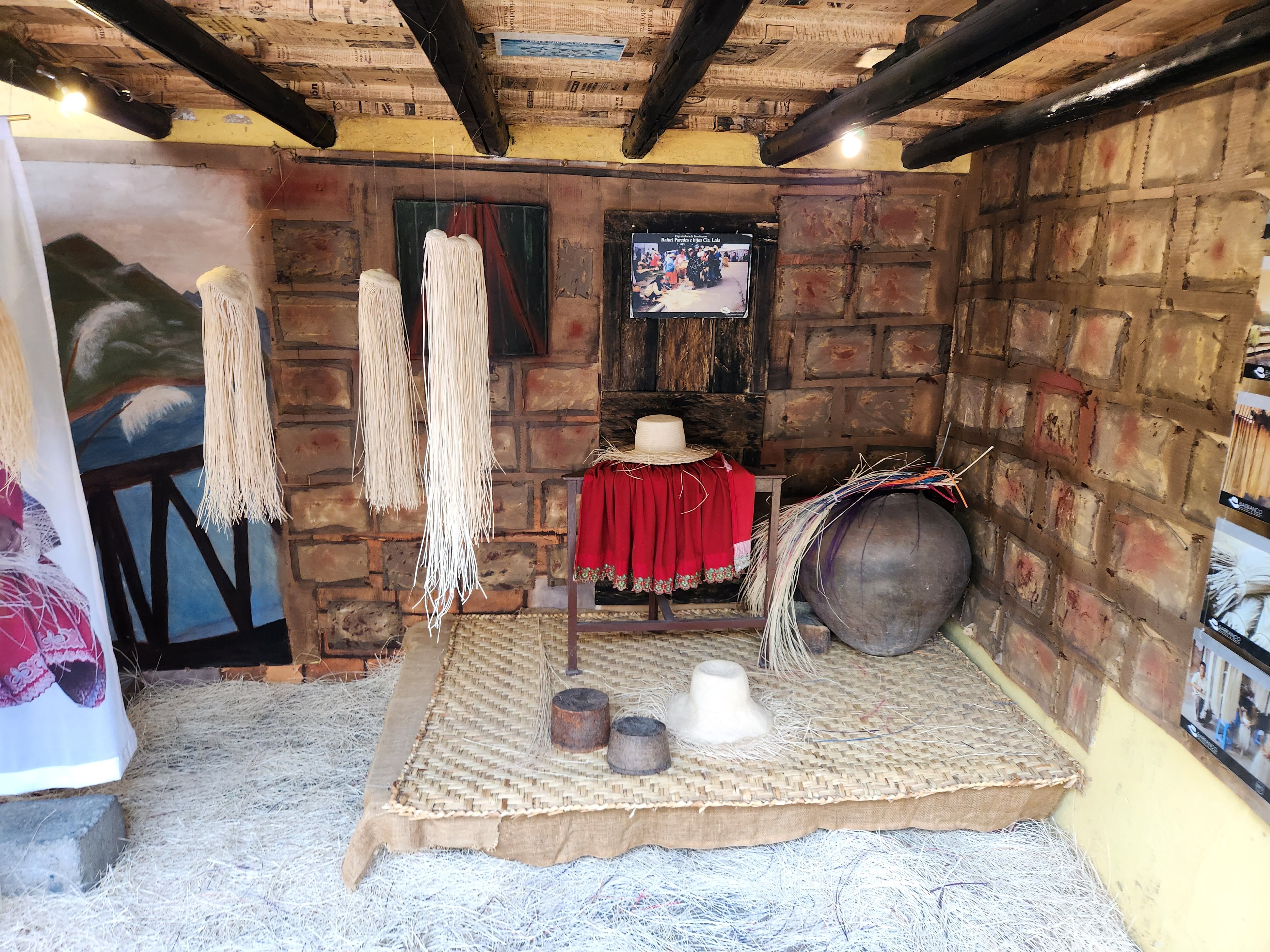
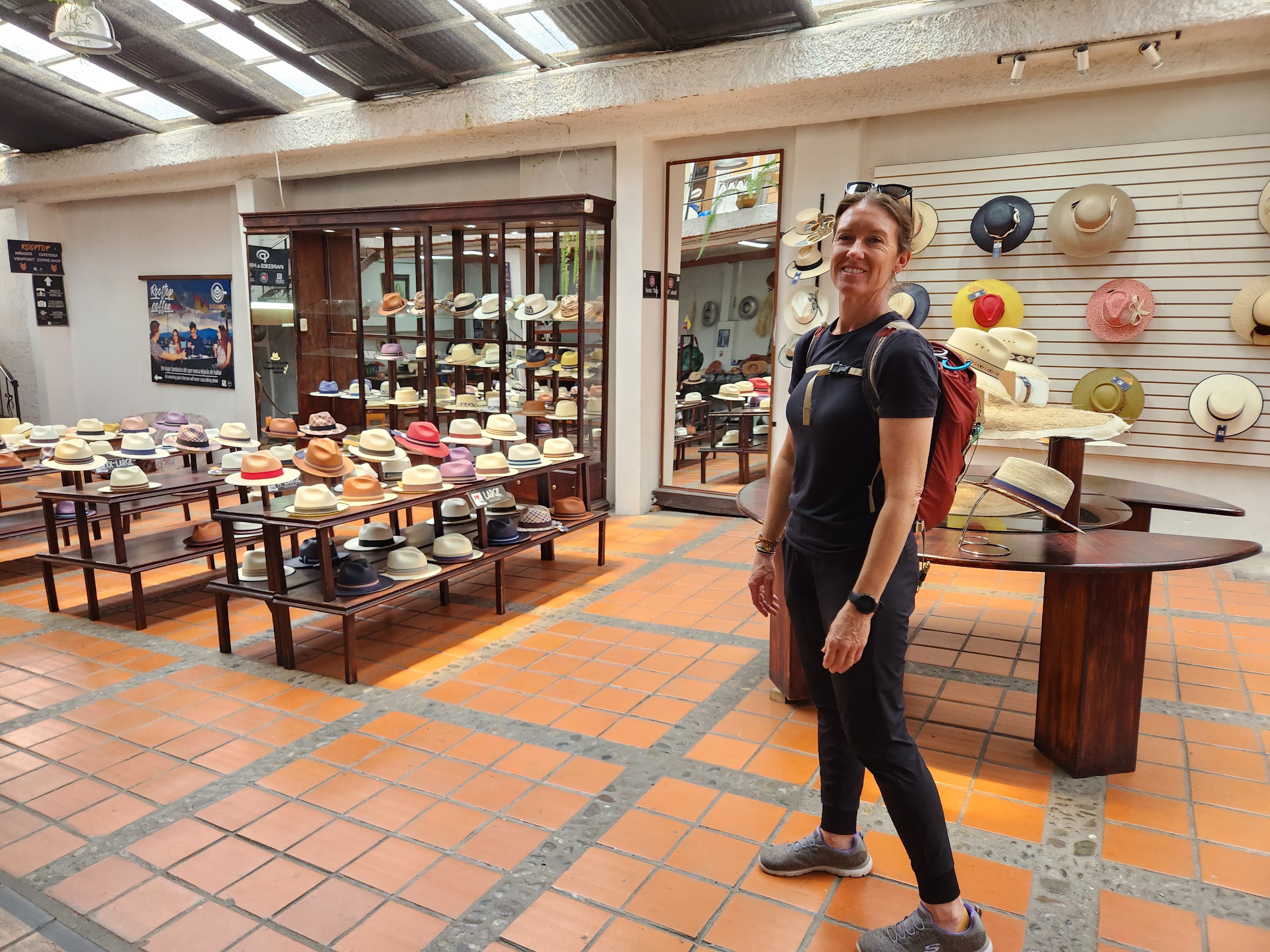
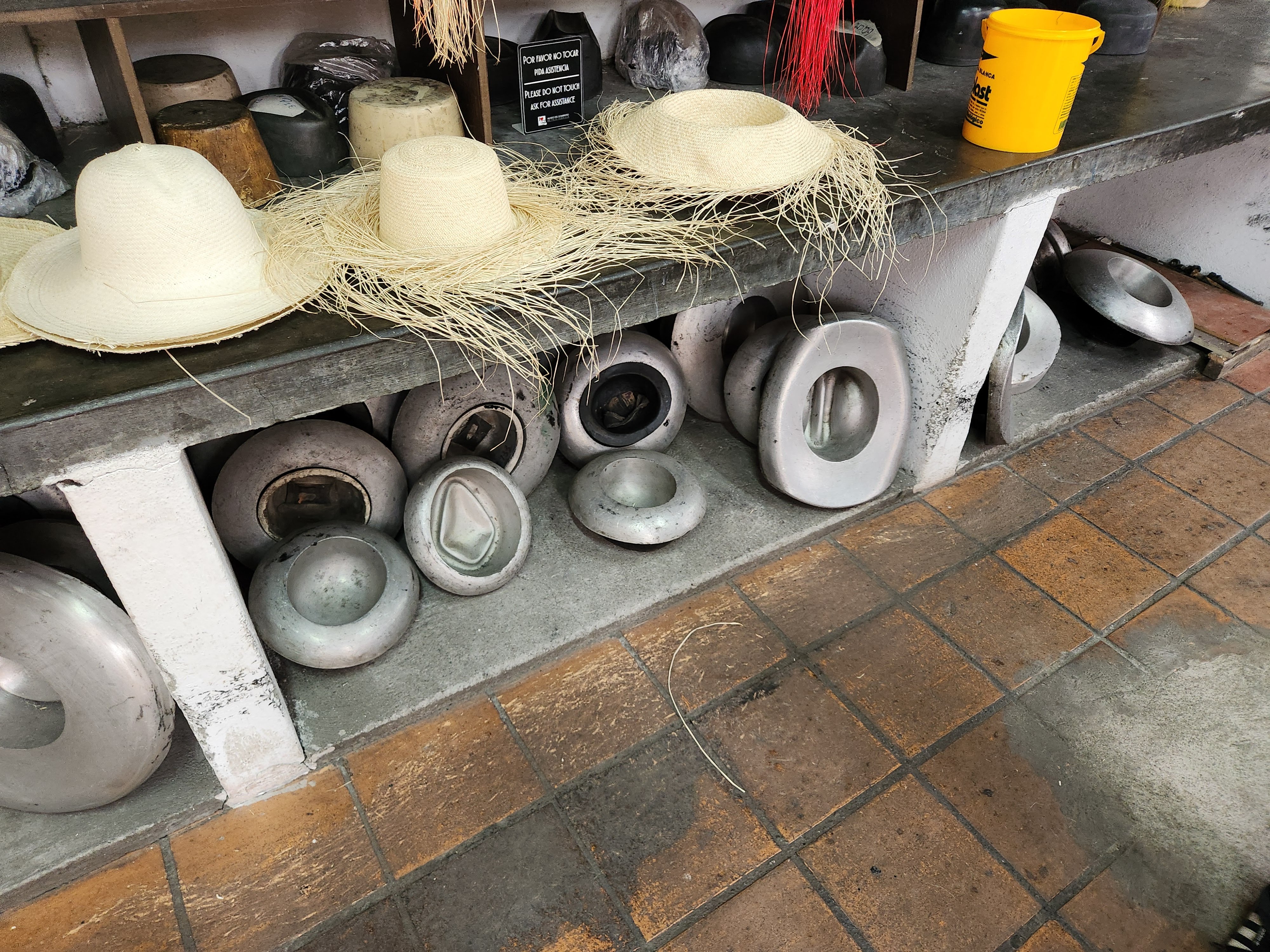
The descent out of the Turi neighborhood was easier, although still an endeavor, and when we finally reached the flat part of the town my muscles were thankful. The next thing we had on the list was a visit to the Museo Del Sombrero De Paja Toquilla, a Panama hat museum and shop. Fun fact- despite the name, Panama hats actually originated in Ecuador, and while on our Amazonian hike, our guide Carlos had pointed out the Toquilla palm, the plant whose fiber is used to make the iconic hats. Scott had it in his mind that he should get a Panama hat while in Ecuador. And while he undoubtedly cast a handsome and striking image in one, the practicality aspect eventually won out and he decided against the purchase.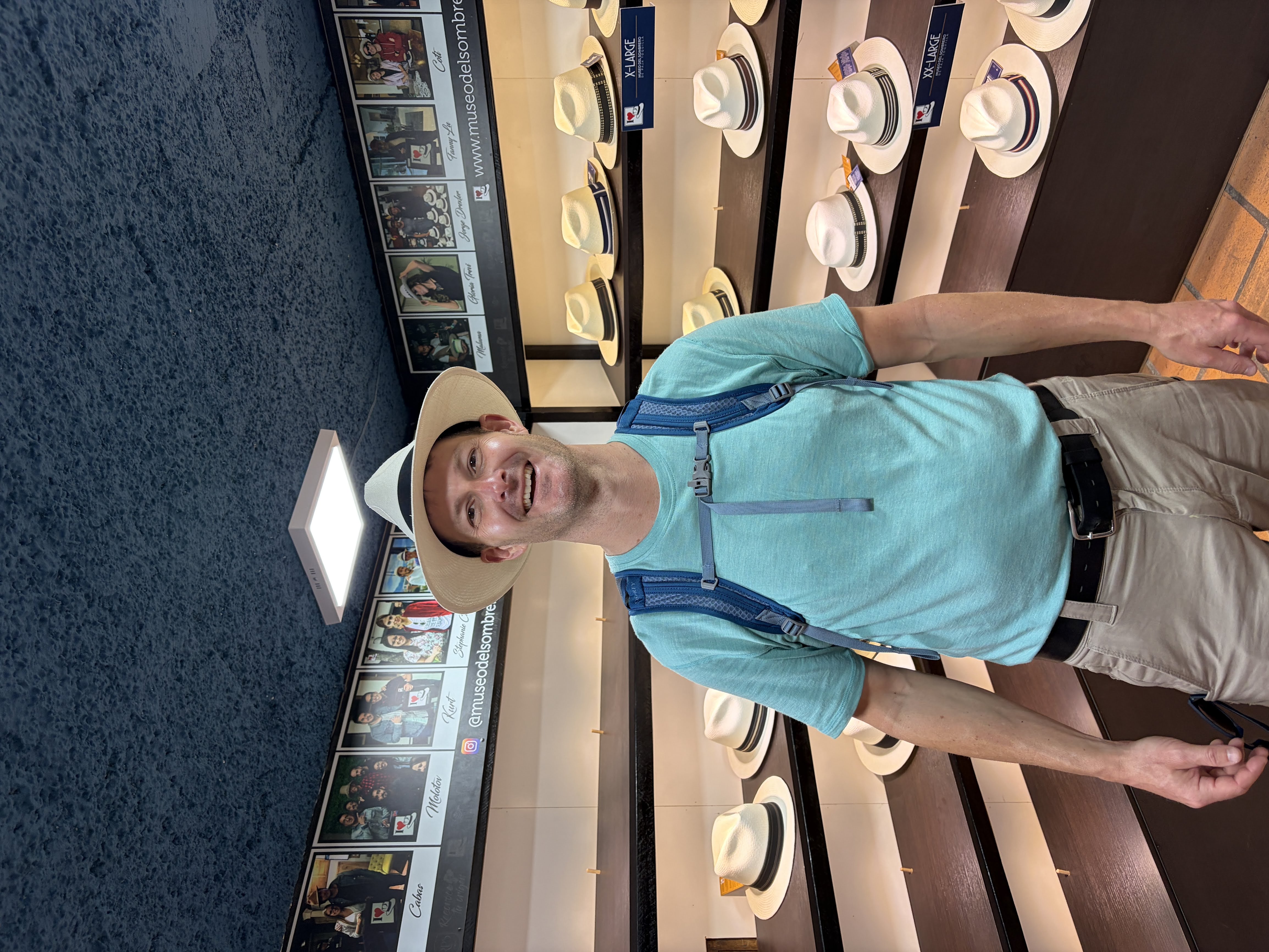
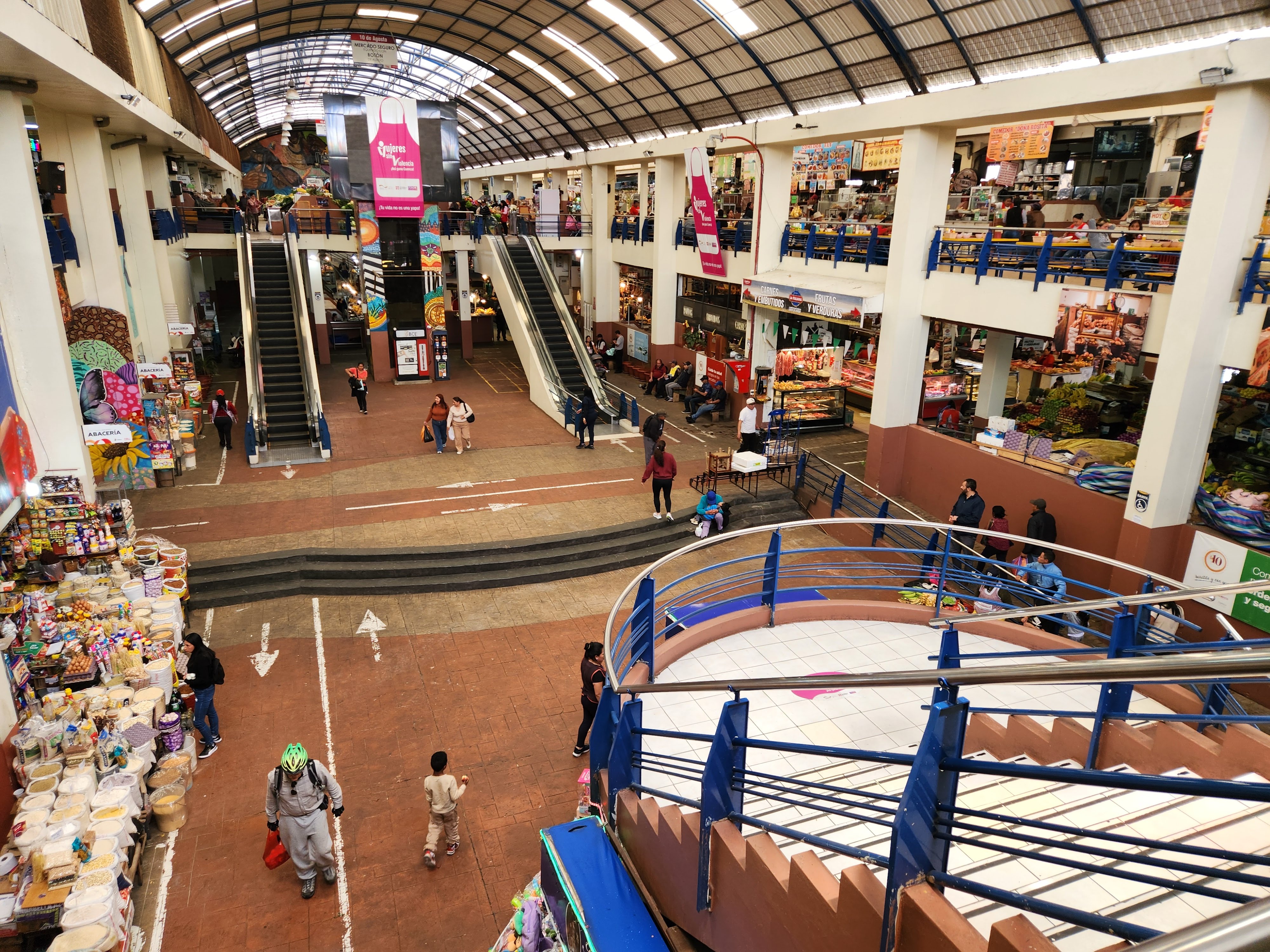
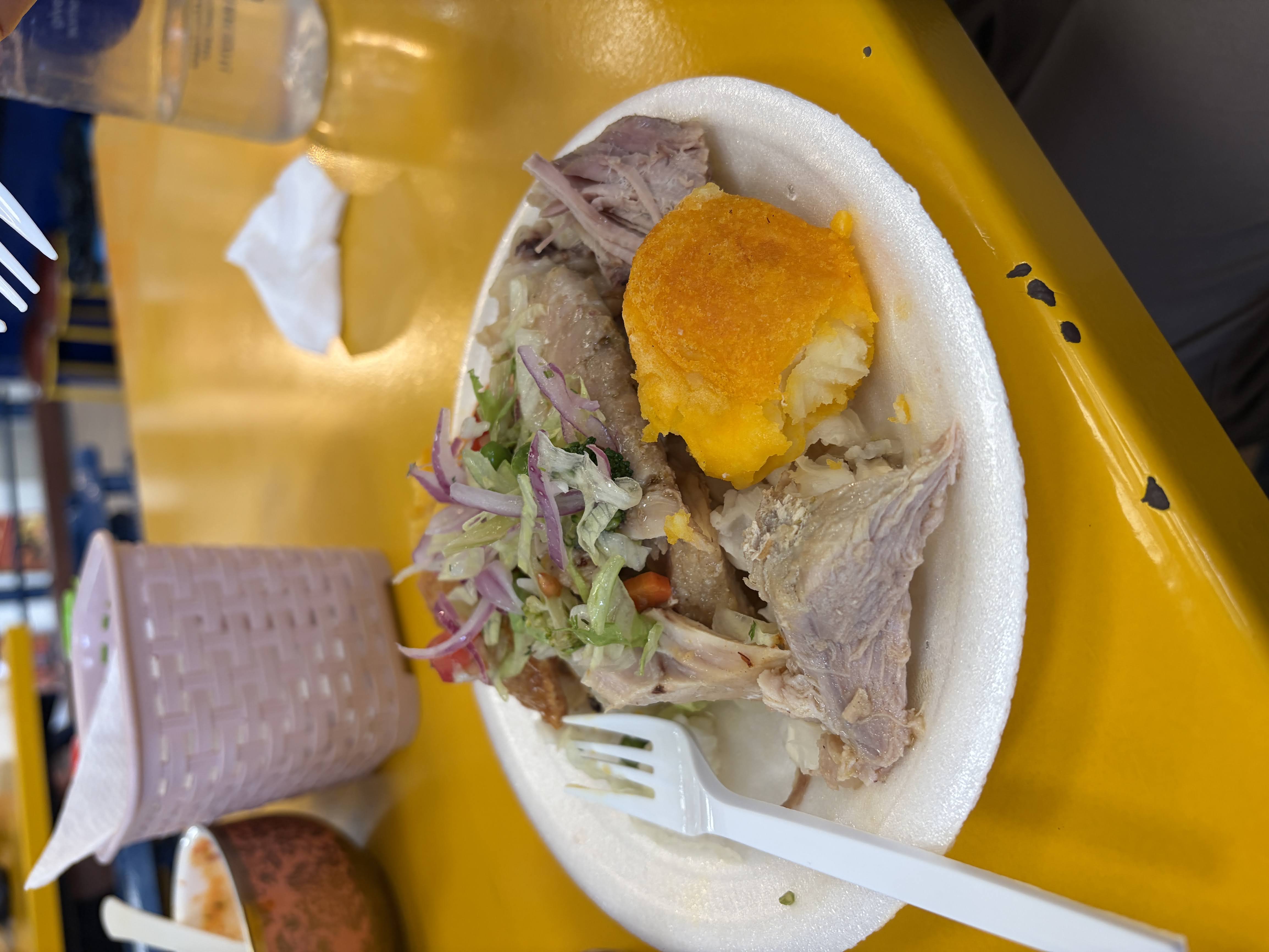
It was time for a visit to the Mercado 10 de Agosto which was perfect since it was also lunchtime. Specifically we were in search of the famous hornado for lunch. Hornado is slow roasted pork, marinated lovingly, cooked whole, and proudly displayed somewhat gratuitously with its mouth propped widely agape at the food stalls that serve it. We found the “hornado district” of the market (like most markets, similar foods are grouped together) which made up an entire chunk of the upstairs of the market. We decided on a seller and bought a plate. It was fantastic- tender and flavorful, and was complemented by the sides that came with it: curtido de cebolla y tomate (an onion and tomato salad with a tangy dressing), llapingachos (potato patty), and mote (hominy). We made the wise decision to split the $3 overflowing plate and both ended up stuffed.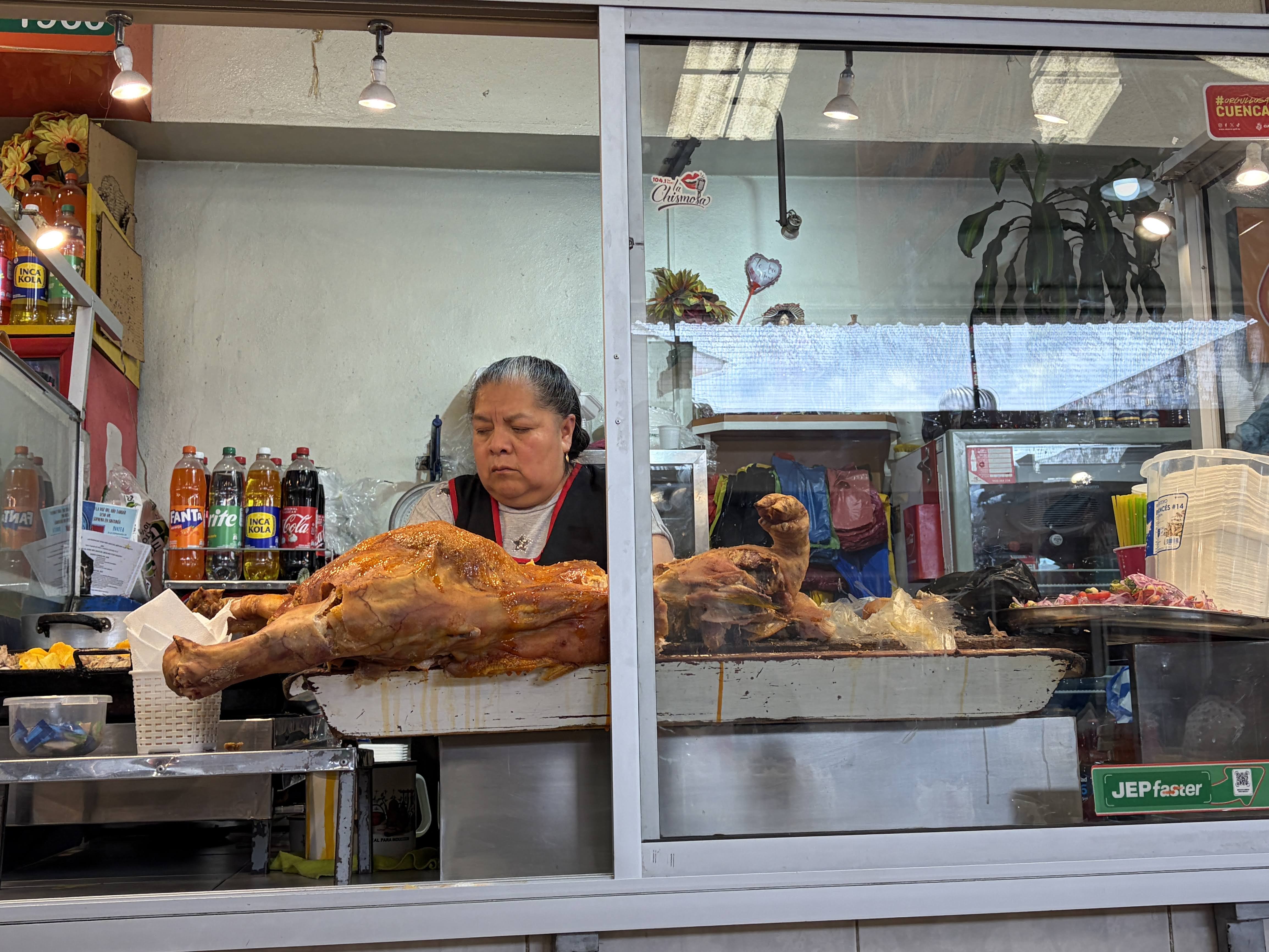
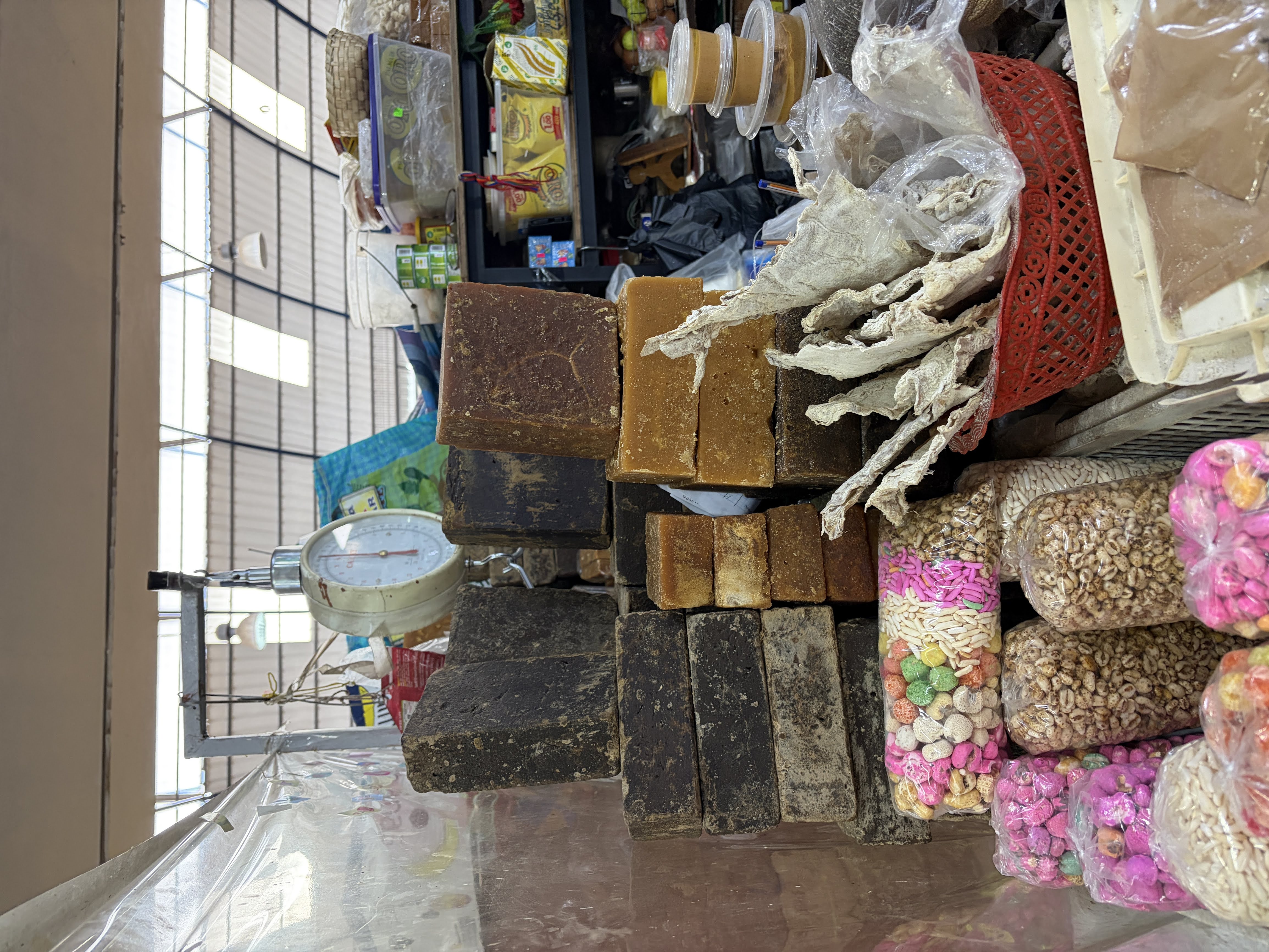
Bellies full, we ambled around the remaining parts of the market that we hadn’t seen yet and admired the vibrantly colorful assortments of vegetables, fruits, herbs, grains, chocolate, and candies displayed within the huge market. Local markets are always a favorite of ours, and we got talked into buying a bag of deep red cherries after the vendor offered us a sample. They were luscious and sweet and we munched on them throughout the rest of the day, and although we both ended up with tummy aches because of our overindulgence, we agreed they were well worth it.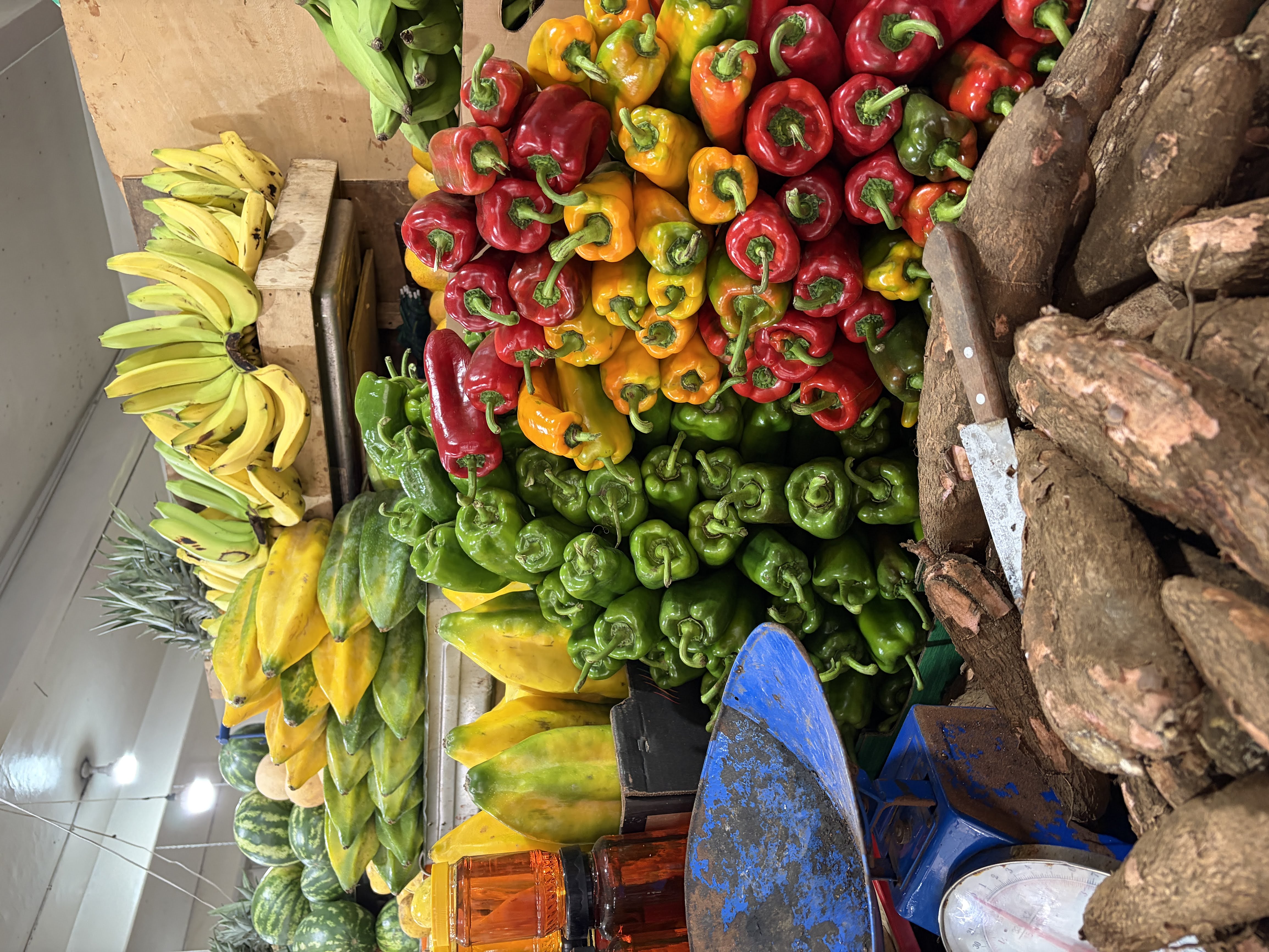
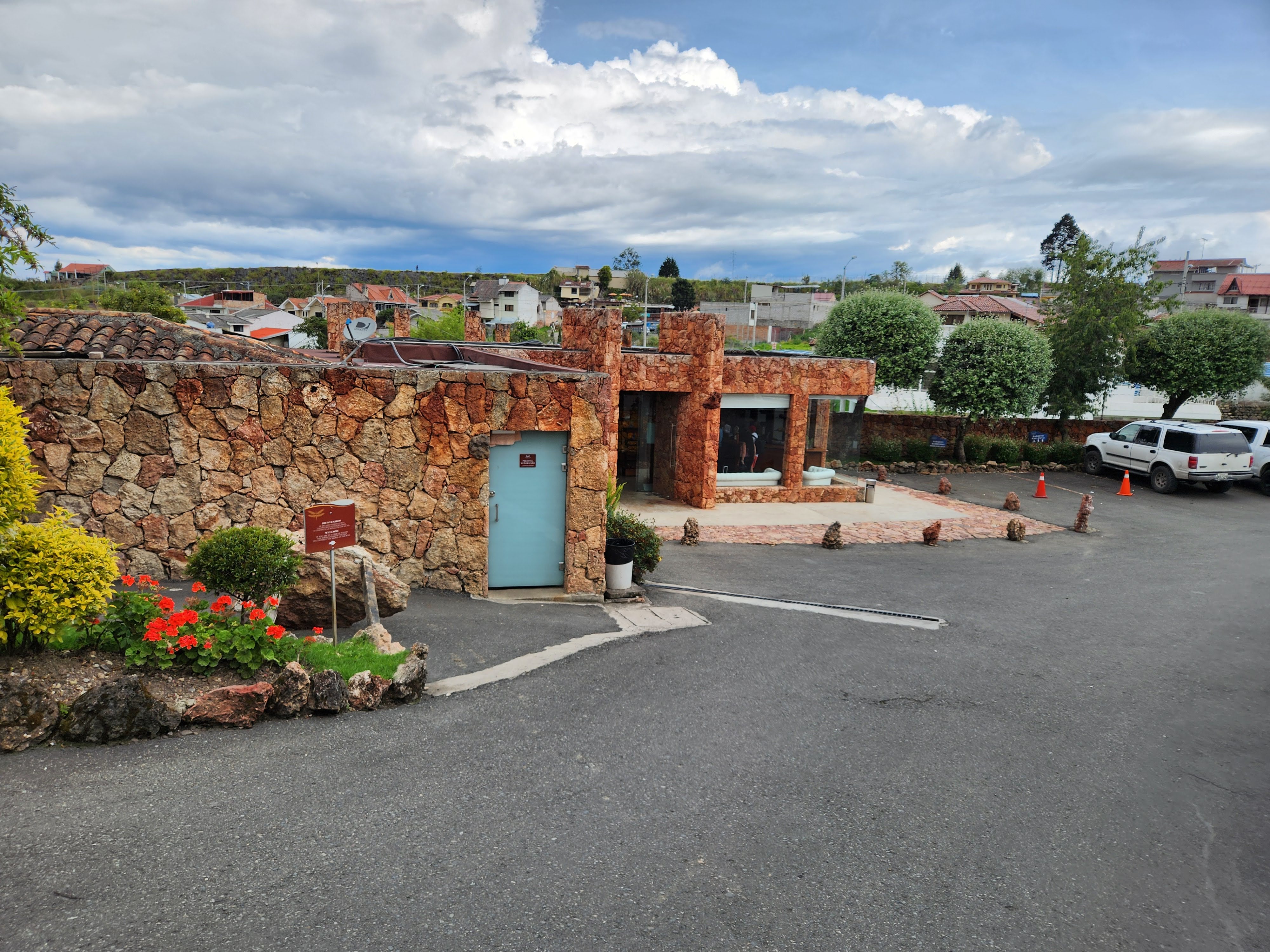
The last big ticket item we wanted to do in Cuenca was to visit the Piedra de Agua, thermal baths and spa famous for their mud baths, located in a neighborhood about 10 km from Cuenca. We grabbed our bathing suits, summoned a car from a rideshare app and headed to get pampered.
We purchased the “Outdoor Spa Circuit” for two, which was $40/each and were escorted back to the dressing room. We were given directions for programming a combination for the lockers, then were instructed to change into our bathing suits, don the provided mustard-yellow robes, and were told that someone would come back in a few minutes to retrieve us. We followed the instructions and in a few minutes were being led out to the first bath…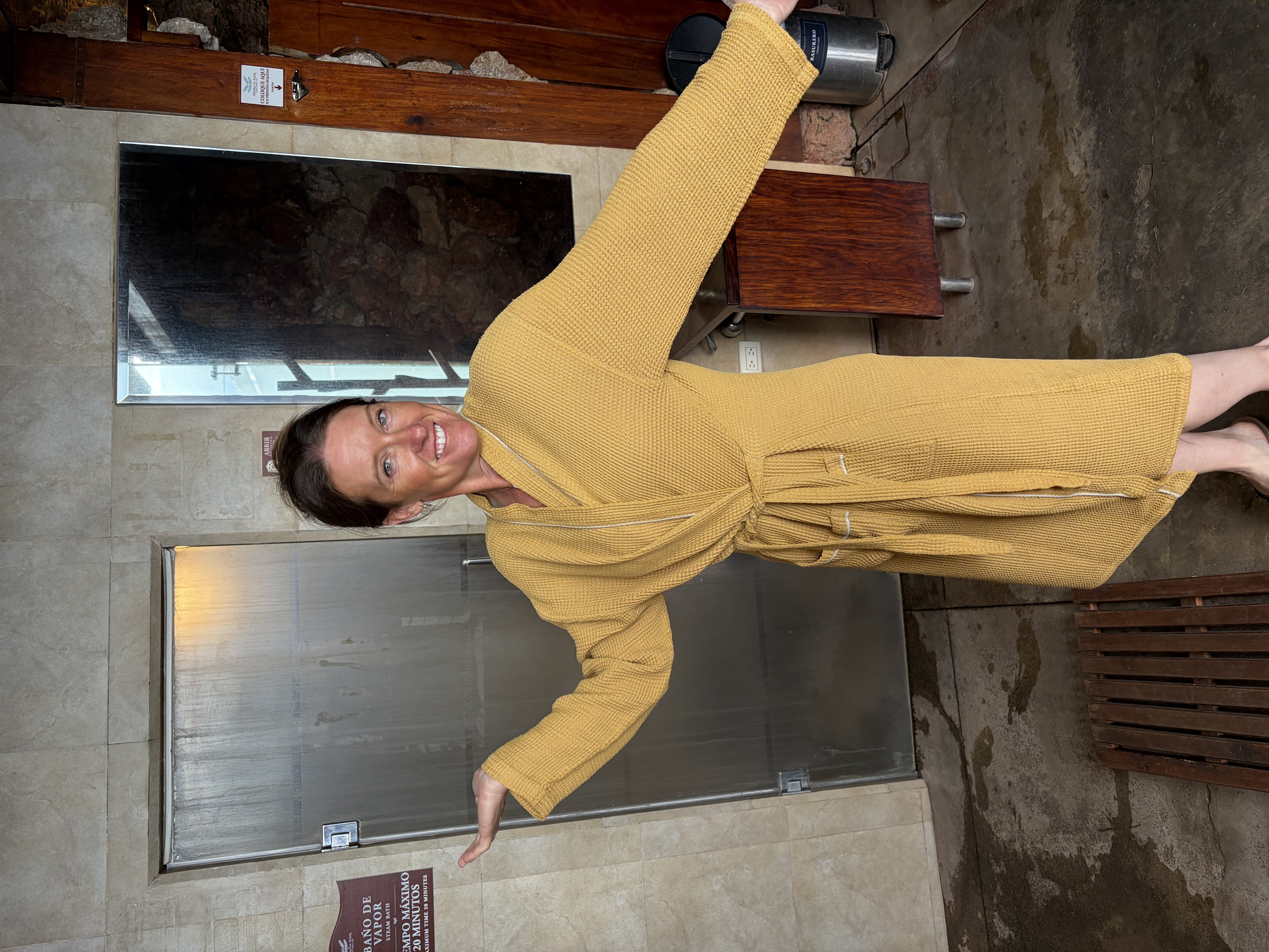
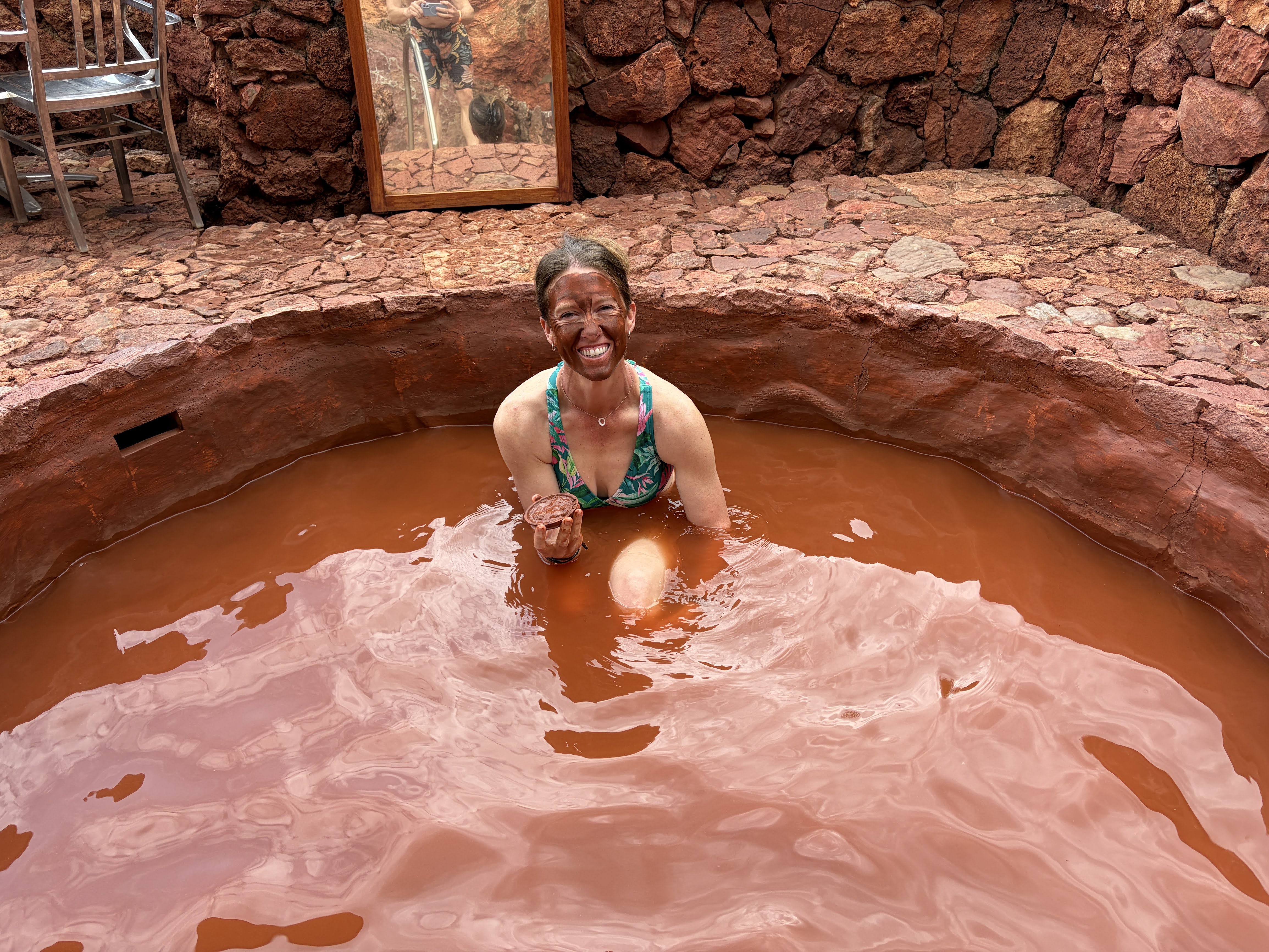
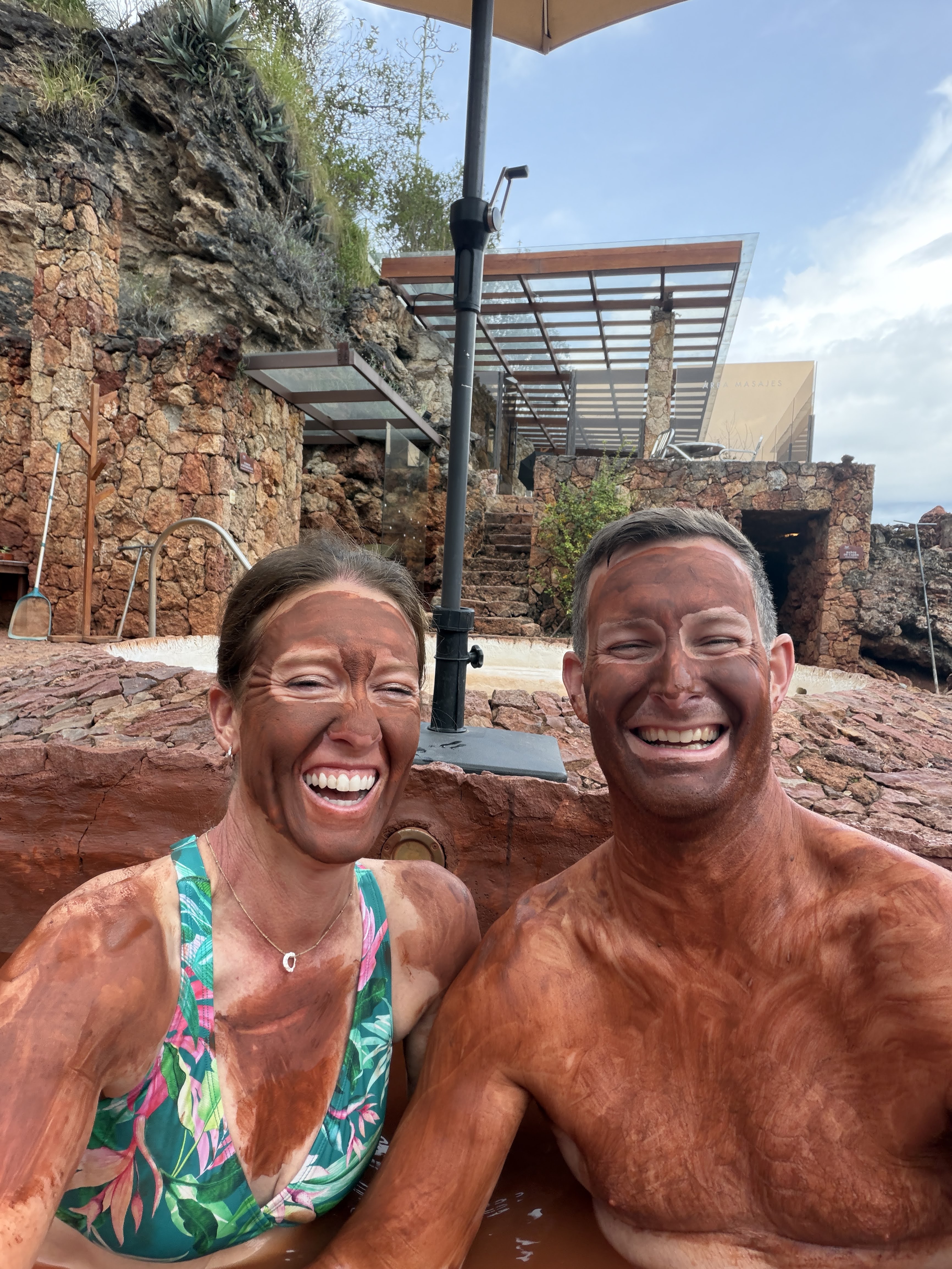
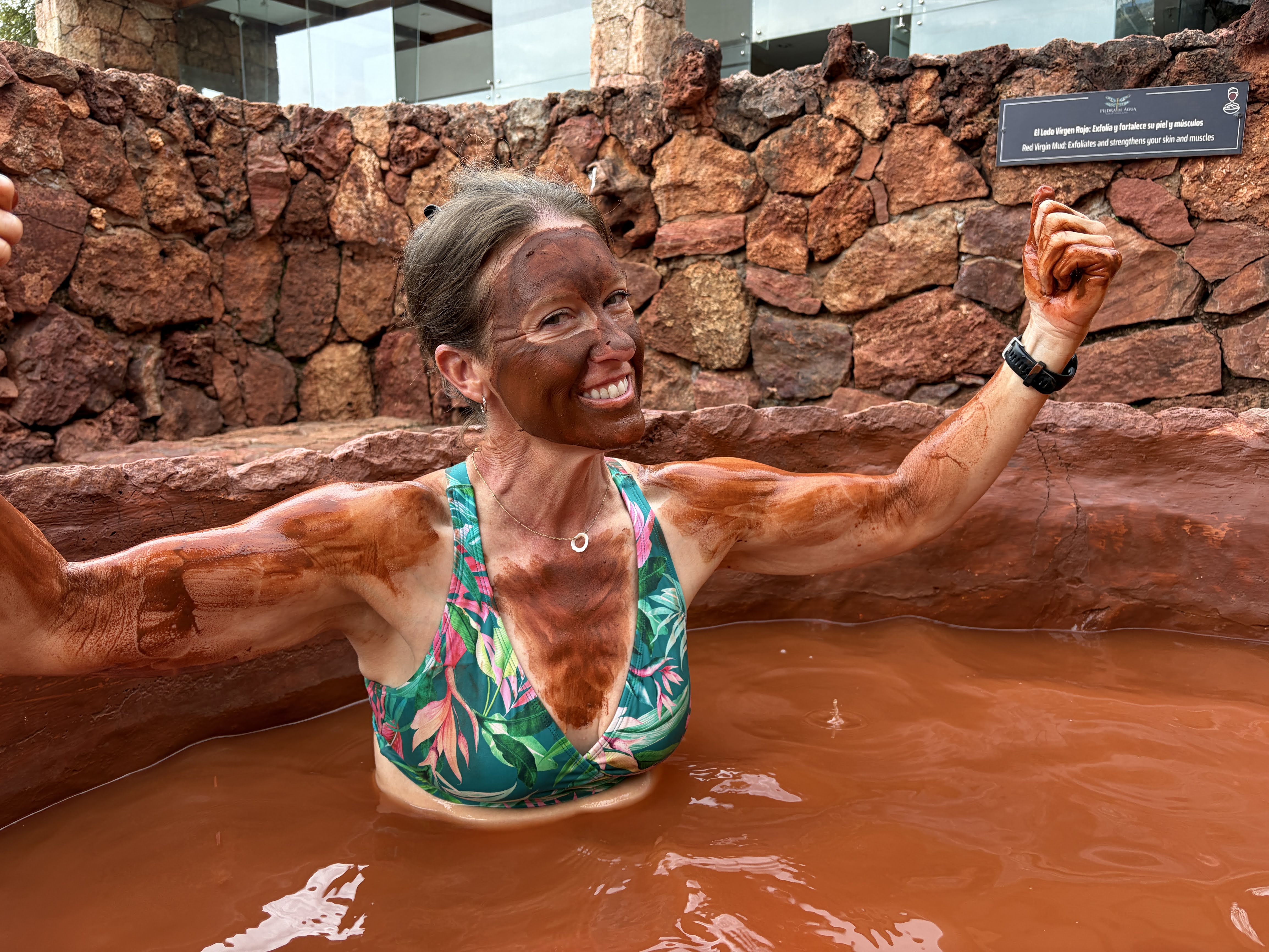
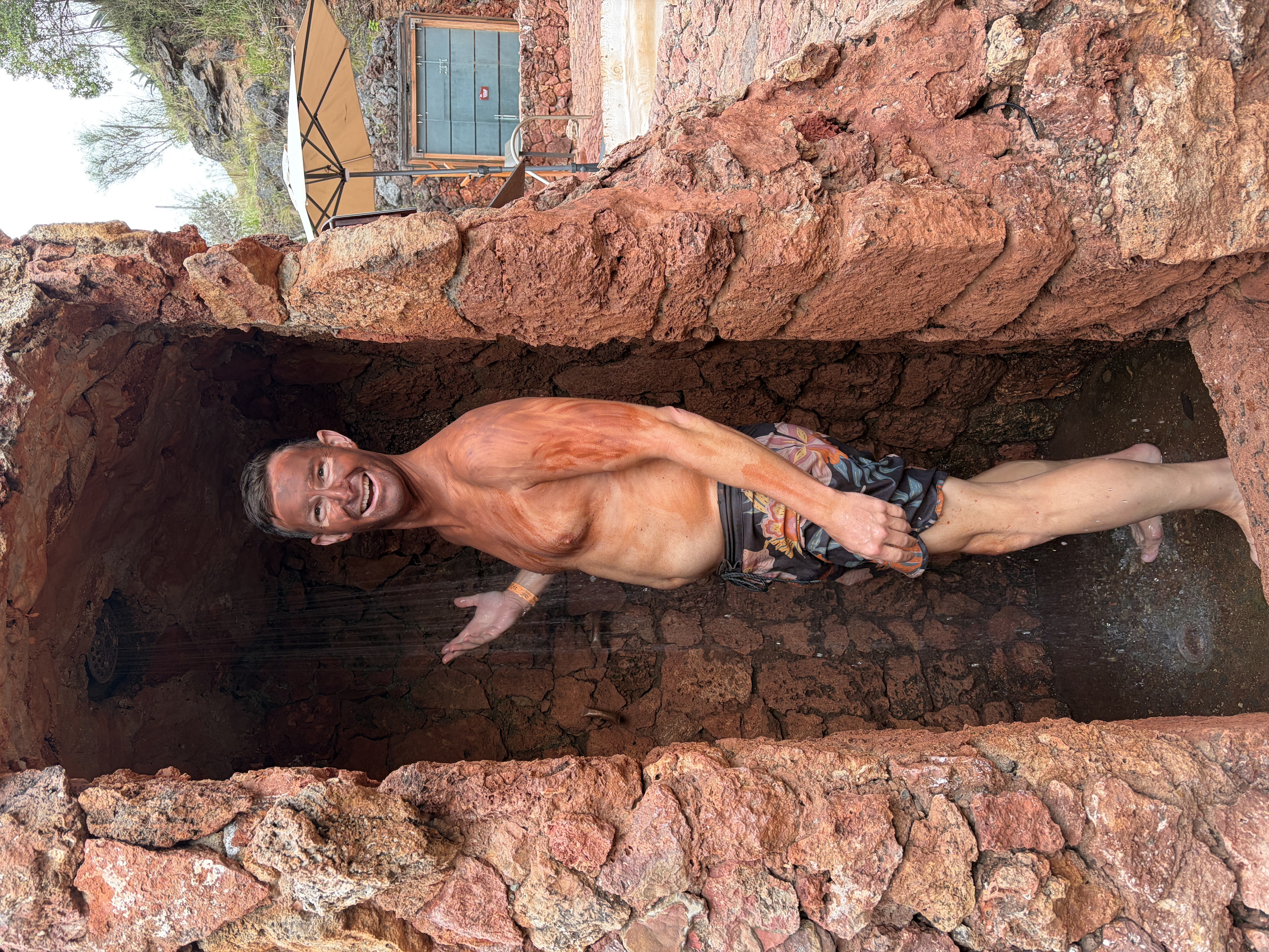
I cannot recall ever laughing as hard in our lives as we did when we embarked on our mud bath “circuit” and ended up coated in red mud sitting in a hot tub filled with water that looked akin to what you might see in a mud puddle at a new construction site in Upstate SC after a heavy rain. We laughed until we cried and had tears streaking down our burnt sienna colored faces. We helped each other smear el lodo virgen rojo on our backs, and when Scott was fully coated and posed he was projecting some serious RFK, Jr. vibes, which was both hilarious as well as offputting. We were told by our attendant that this red mud would “exfoliate and strengthen our skin and muscles.”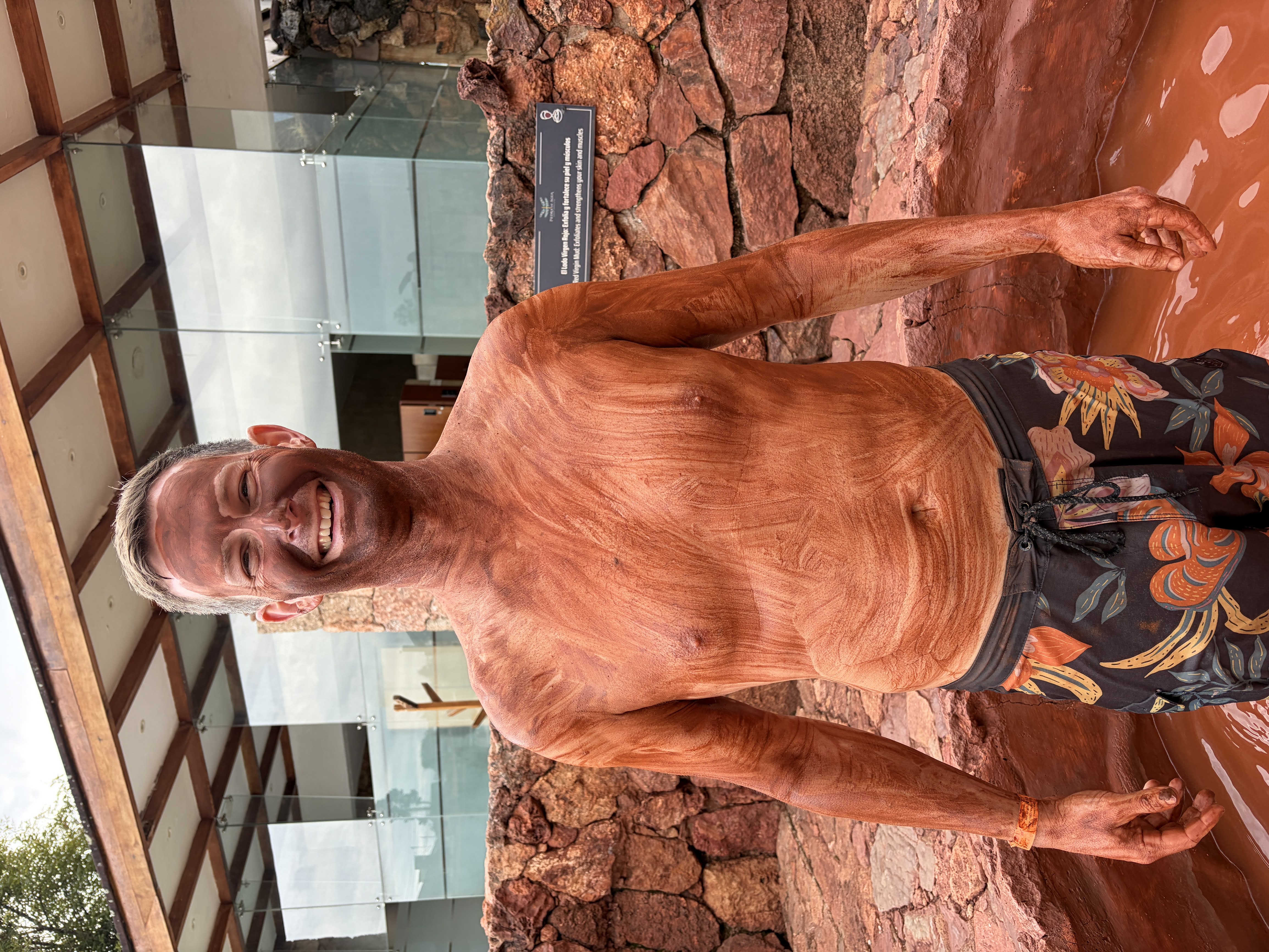
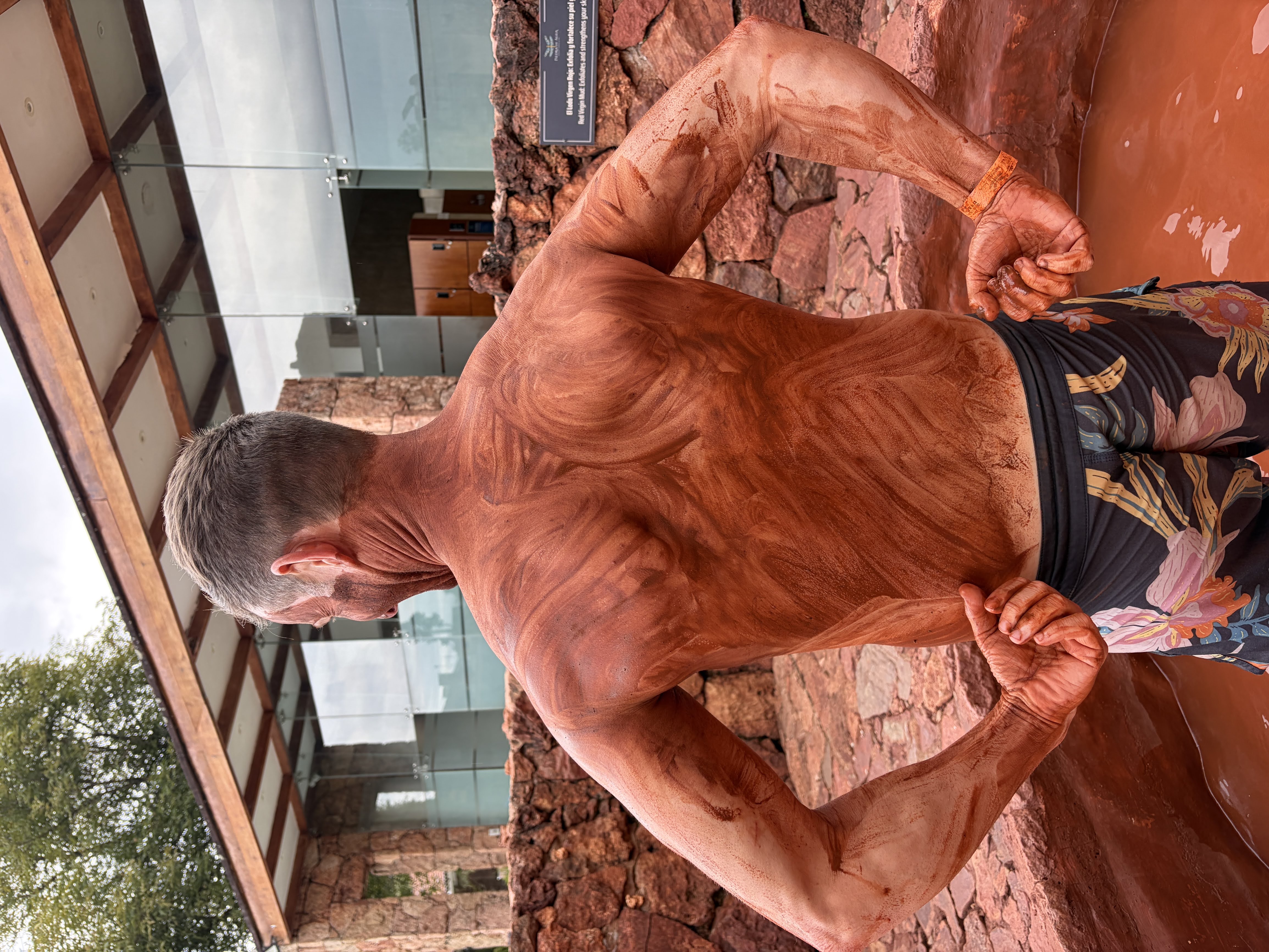
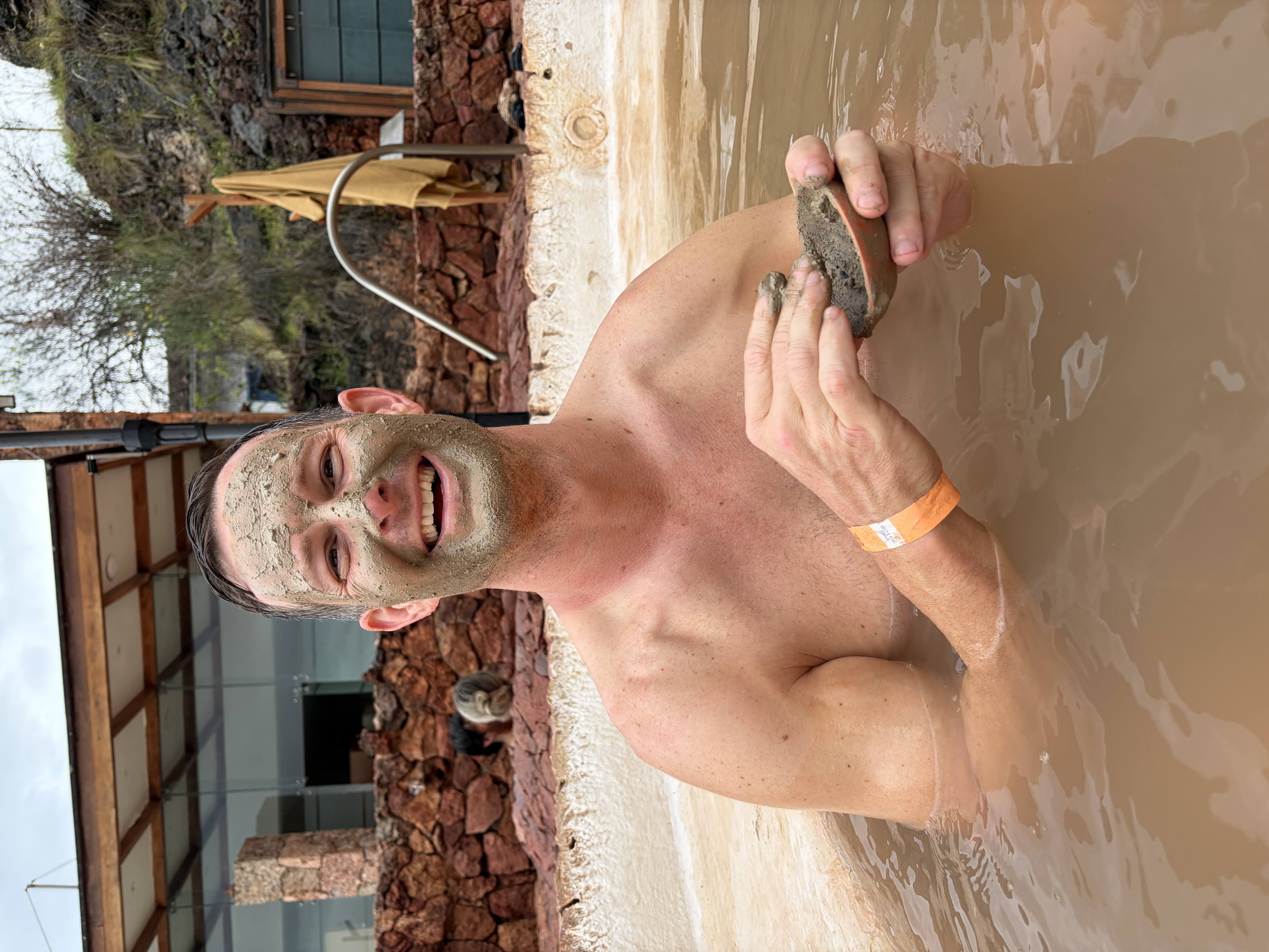
She came to get us after a few minutes and escorted us to a cave-like shower where we were instructed to shower off to prepare for the next phase; the blue mud bath. We went through the same process and dabbed the quartz, gold, and silver rich mud onto our face and bodies so that we would be moisturized and have “aligned energies,” whatever that might mean. I have to give credit to the attendant for not breaking character when Scott asked her if she ever just looked at the people coating themselves in mud and thought “how ridiculous” because she solemnly shook her head “no” and told him that it was good for his skin and for his relaxation.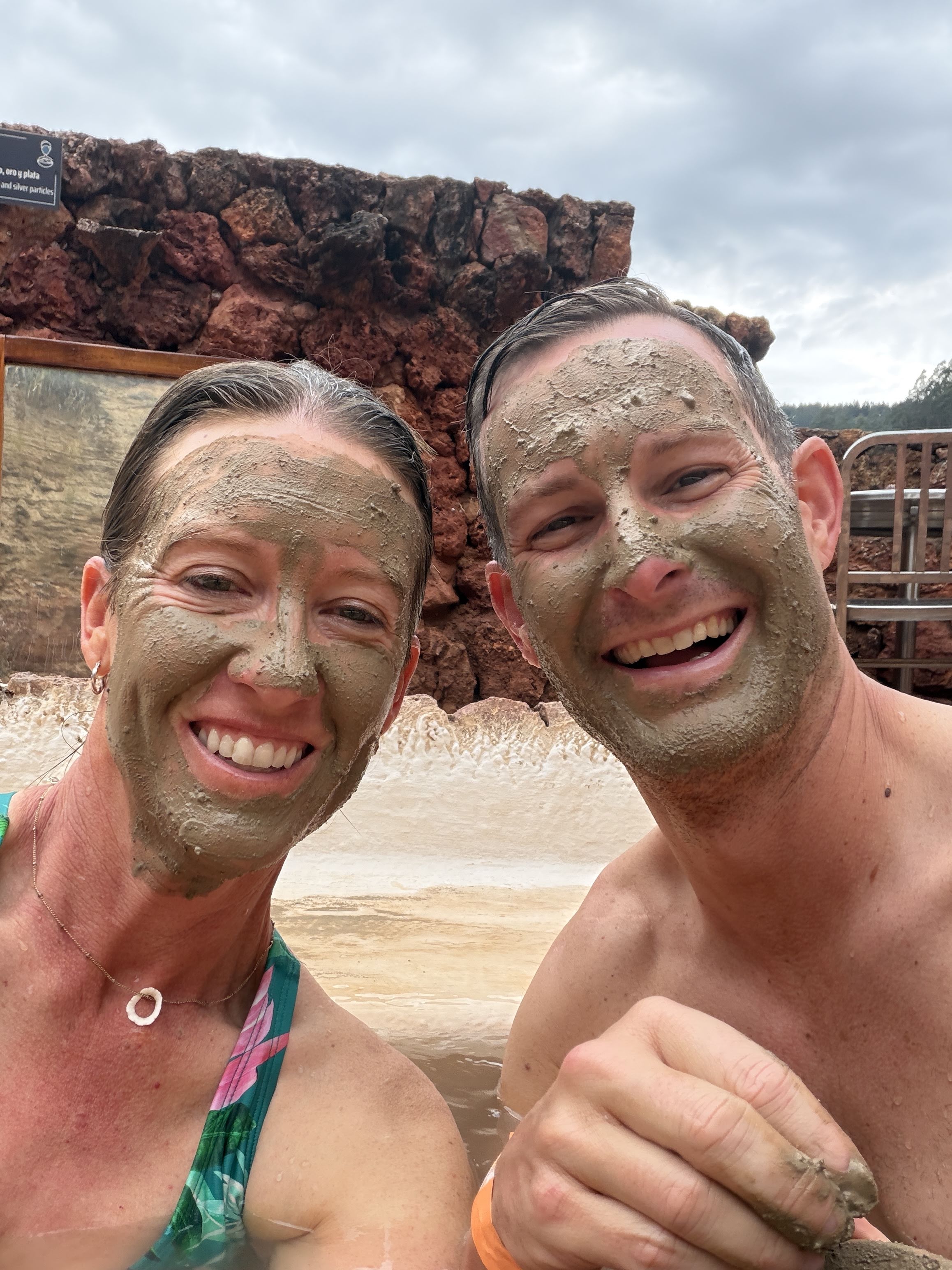
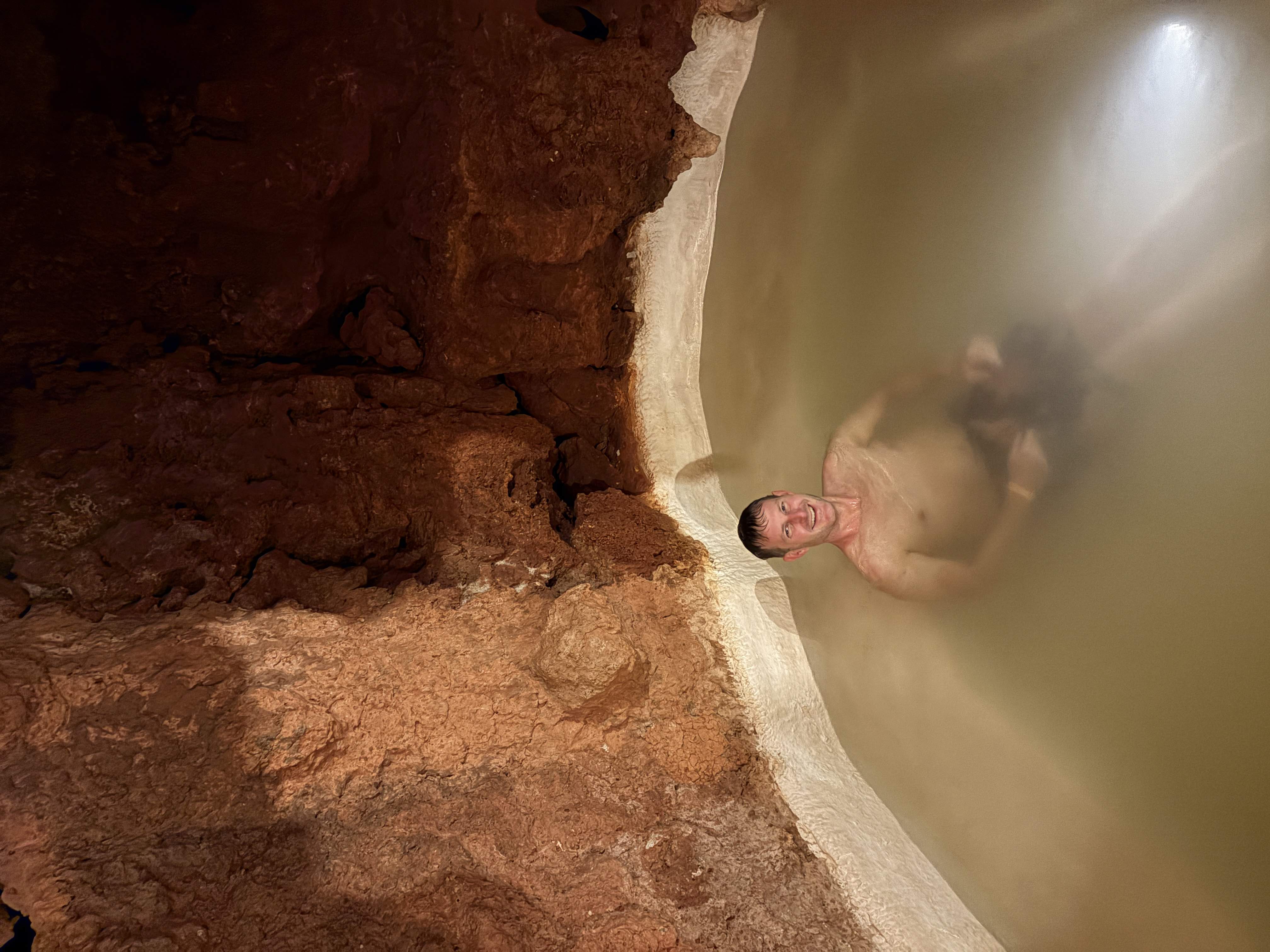
Next up, after showering again to remove the el lodo virgen azul, we were led into the rock-lined underground grottoes where the termas de contraste were located, and we were told to essentially blanch ourselves much like you might a vegetable, by alternately stewing ourselves in the hot tub and then submerging our bodies into the ice bath. This promised to “distress, pleasure, distress” us and to give us “cutaneous gymnastics.” So we did. And while the first cold plunge definitely brought about some distress on my part, less on Scott’s since he does cold plunges at home in the winter, each subsequent one became easier. My muscles became happier and happier as we alternated hot and cold plunges and the assault of the 439 stairs to reach Turi was soon forgotten. 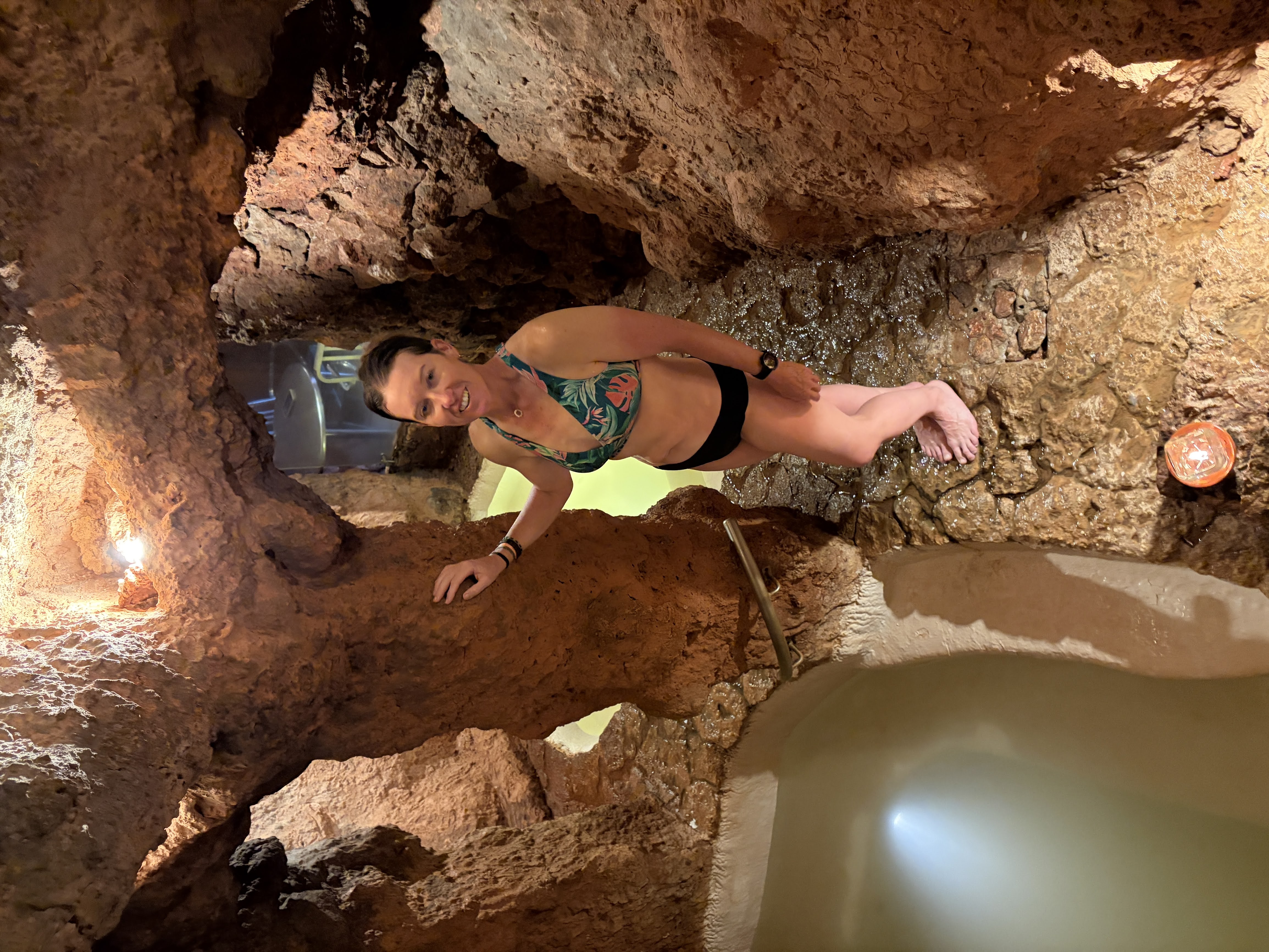
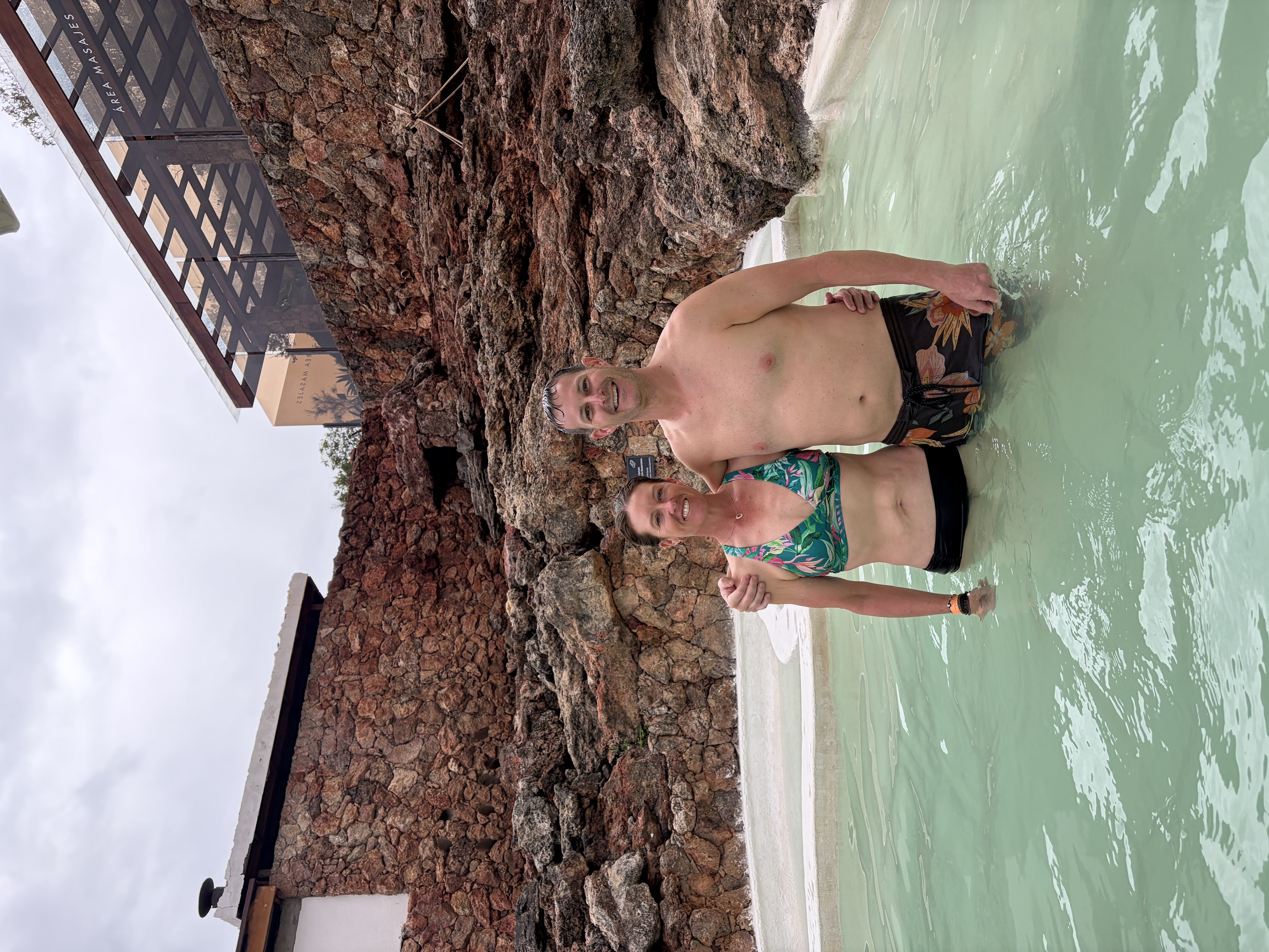
After we had done this for a while, our attendant came and found us again, and led us to the nearby baños de cajón, or box steam baths, identical to what we had encountered at the Miramelindo hotel spa in Baños. We sat in these for a while, getting our bodies steamed while inhaling the herbal vapors of the eucalyptus leaves, until we were thoroughly cooked. The attendant rescued us from the boxes, then brought us cool herbal tea. Afterwards, we were told that we could enjoy the outdoor pools at our leisure. We went to the “Japanese pool,” a thermally heated and mineral rich pool that was designed in a way to make it look like a naturally occurring spring, and enjoyed soaking and relaxing a little longer before making our way back to the dressing rooms.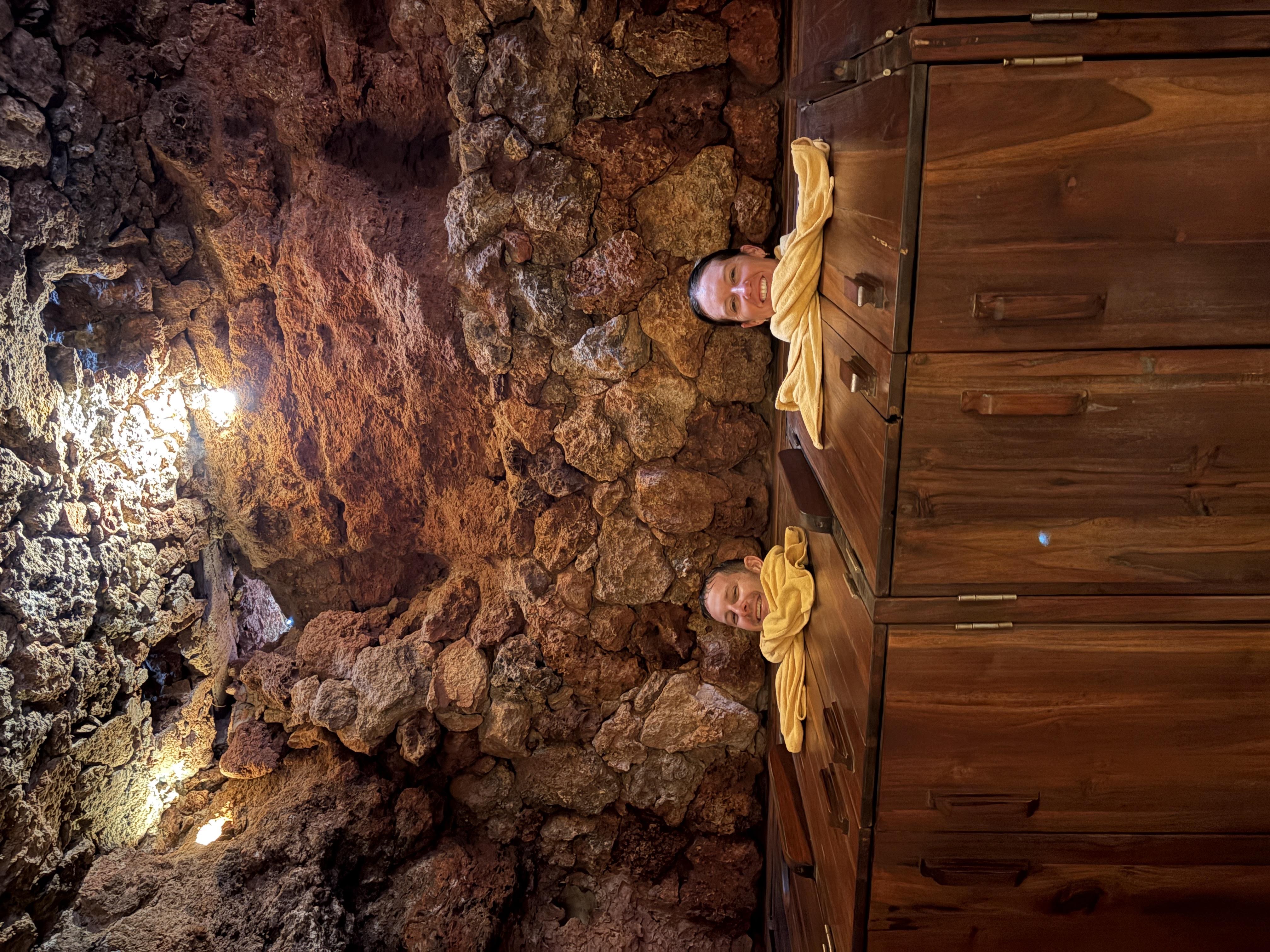
We took a taxi back down to our hotel. After changing, it was now dinnertime, and we decided to go in search of street food. Flower dealers were still busy doing business at the Plaza de las Flores and this was when Scott sweetly offered to buy me a dozen roses and I took the raincheck. (Remember that Scotty B when you re-read this in a few weeks…!) The domes of the cathedral were now illuminated and we could see them slightly better up close than earlier in the day.
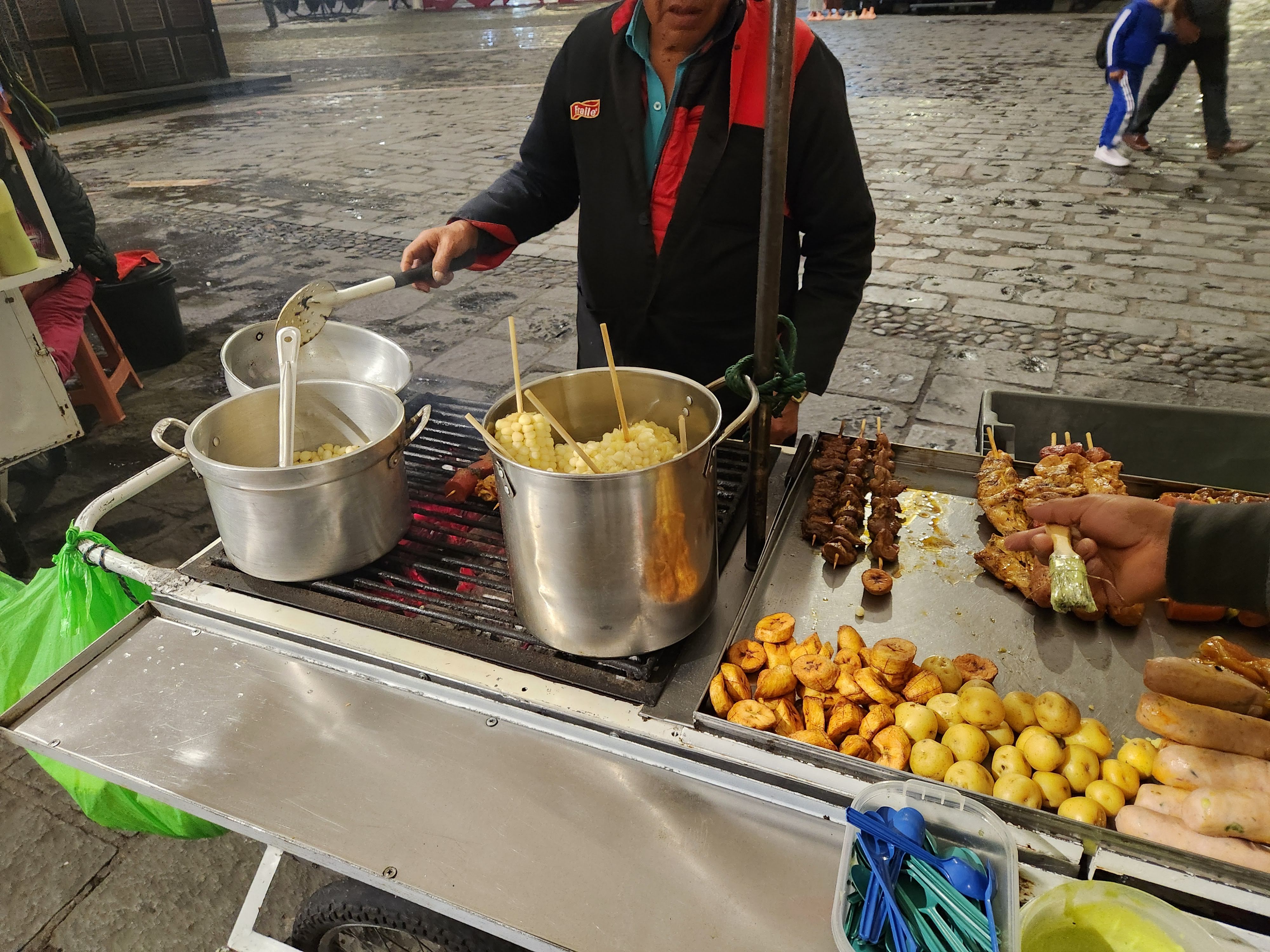
It took a little bit of asking around to find where the food vendors were set up and eventually we found them. We had one of the cheapest and best meals of our trip- chicken, sausage, and beef skewers with a sauce that they called mayonnaise but tasted more like a cilantro aioli, and that we were instructed to paint onto the meat with a little paintbrush. Scott was excited because we were able to deploy our titanium travel sporks that he always carries in our daypack because they were much better suited than the flimsy plastic forks that came with it.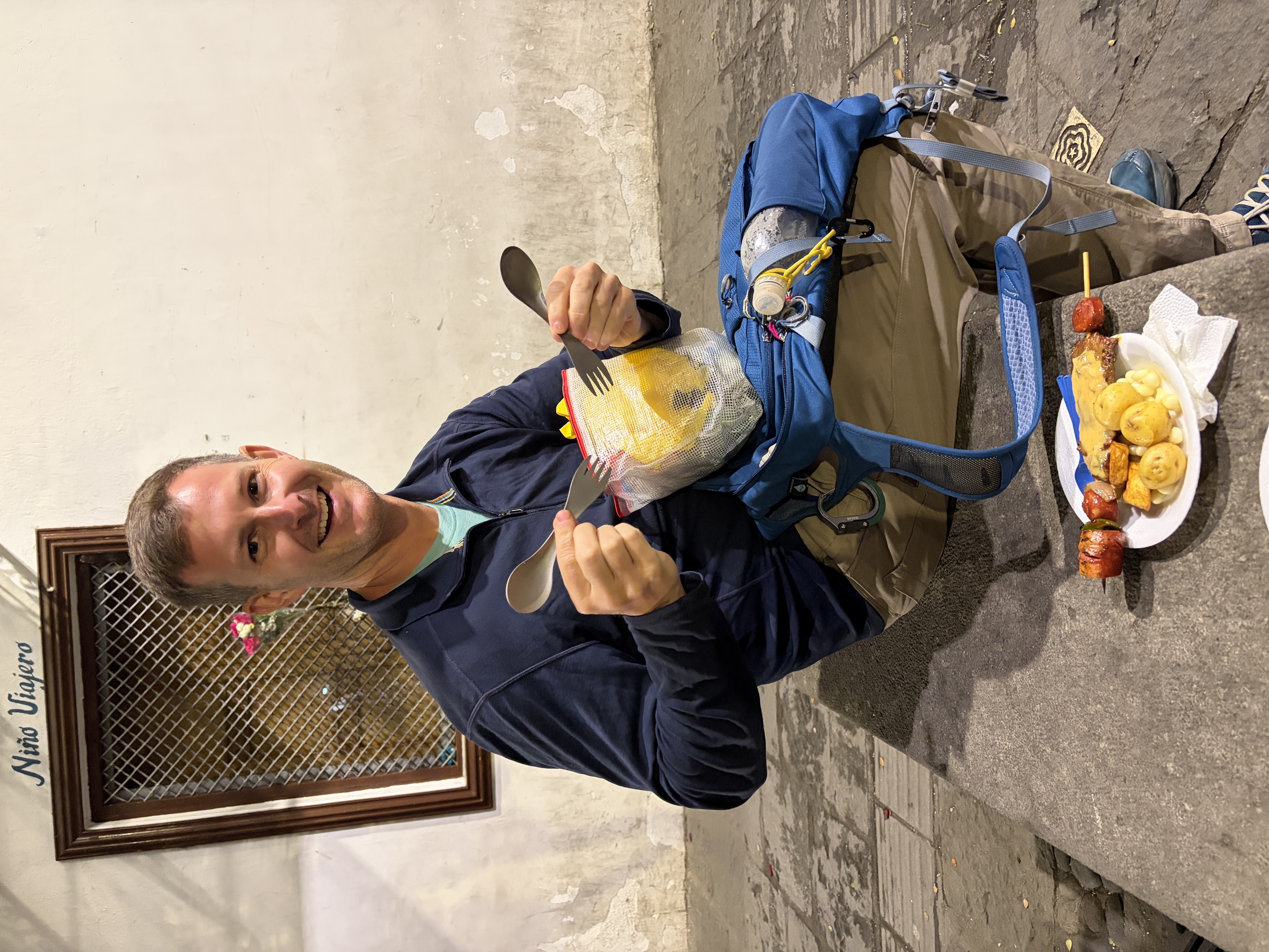
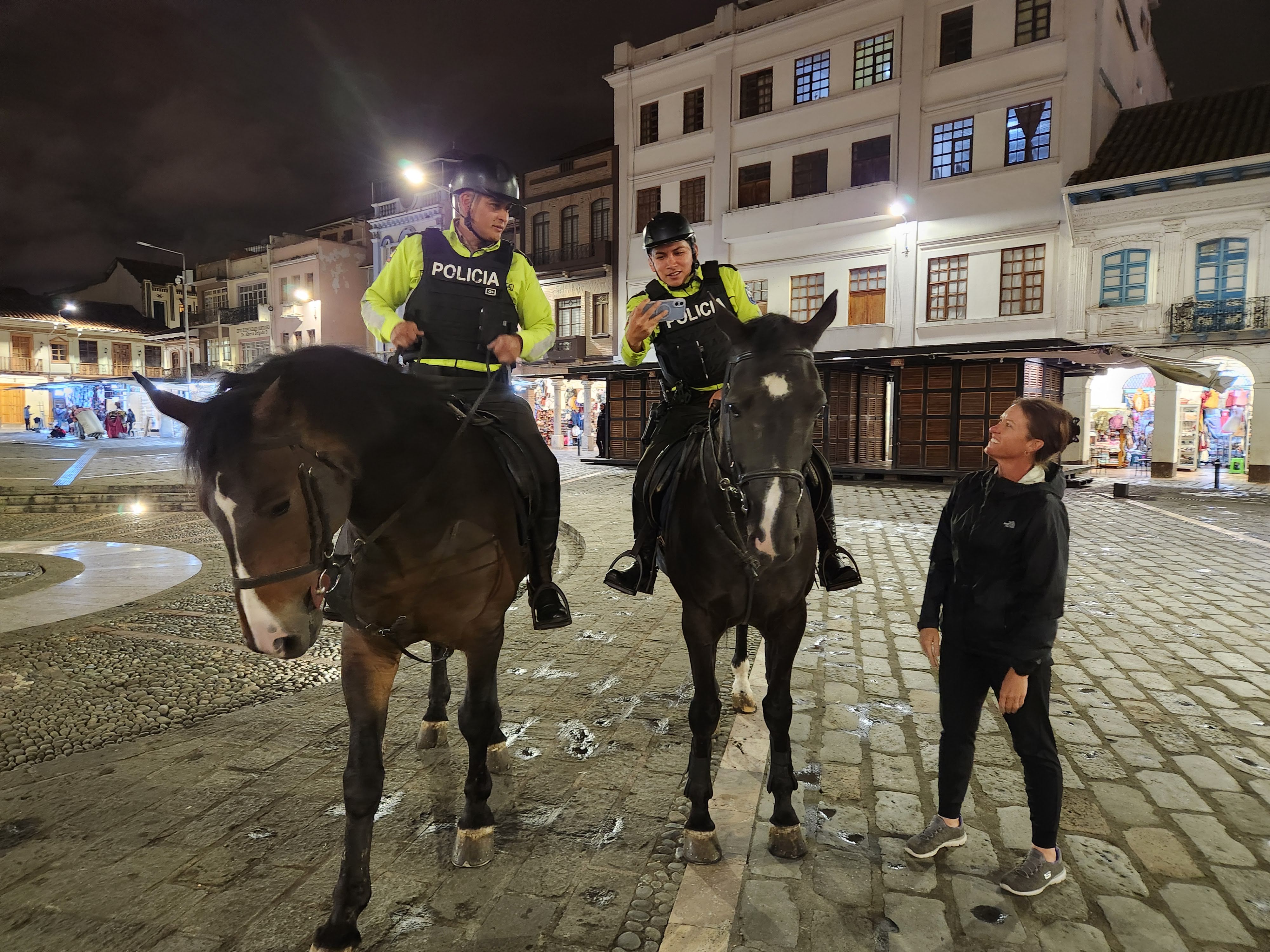
As we were eating I heard the unmistakable sound of metal horseshoe clad hooves on cobblestones, looked behind us, and saw two mounted policemen hacking down the alley where we were. Both of the horses looked like patrol horses that we would see at home in the States- stout drafty-cross looking creatures, which seemed foreign in Ecuador where most of the horses are scrappy and small.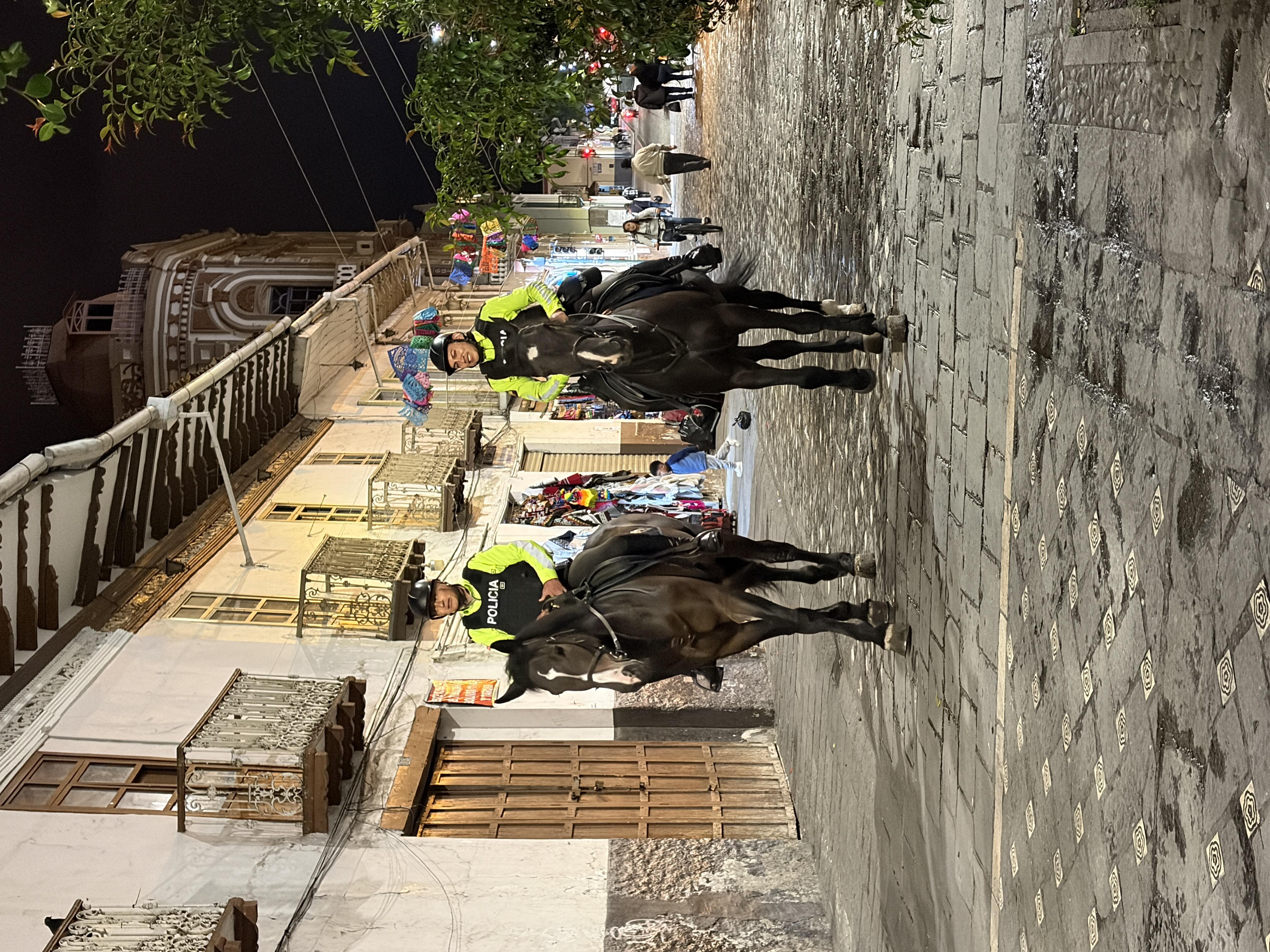
Scott convinced me to go talk to them and I awkwardly fumbled my way through a conversation with the help of Google Translate. They lit up when I told them that their caballos were muy guapo as well as un caballo de gran alzada. (I told them their horses were handsome and were much bigger than the rest of the horses I had encountered in Ecuador thus far.) I showed them some pictures of Elliot (also muy guapo and un caballo de gran alzada) as well as a quick video of me riding to prove that I wasn’t just another crazy horse fan girl… They asked how tall he was and what breed and seemed suitably impressed when I told them. I discovered that the taller one of the pair was a Percheron cross and the other was an Argentinian warmblood. Both were lovely, appeared healthy with shiny coats, and were well put together. Scott got a fantastic picture of us conversing, with the illuminated Cuenca sign as well as the Cathedral’s iconic domes, in the backdrop.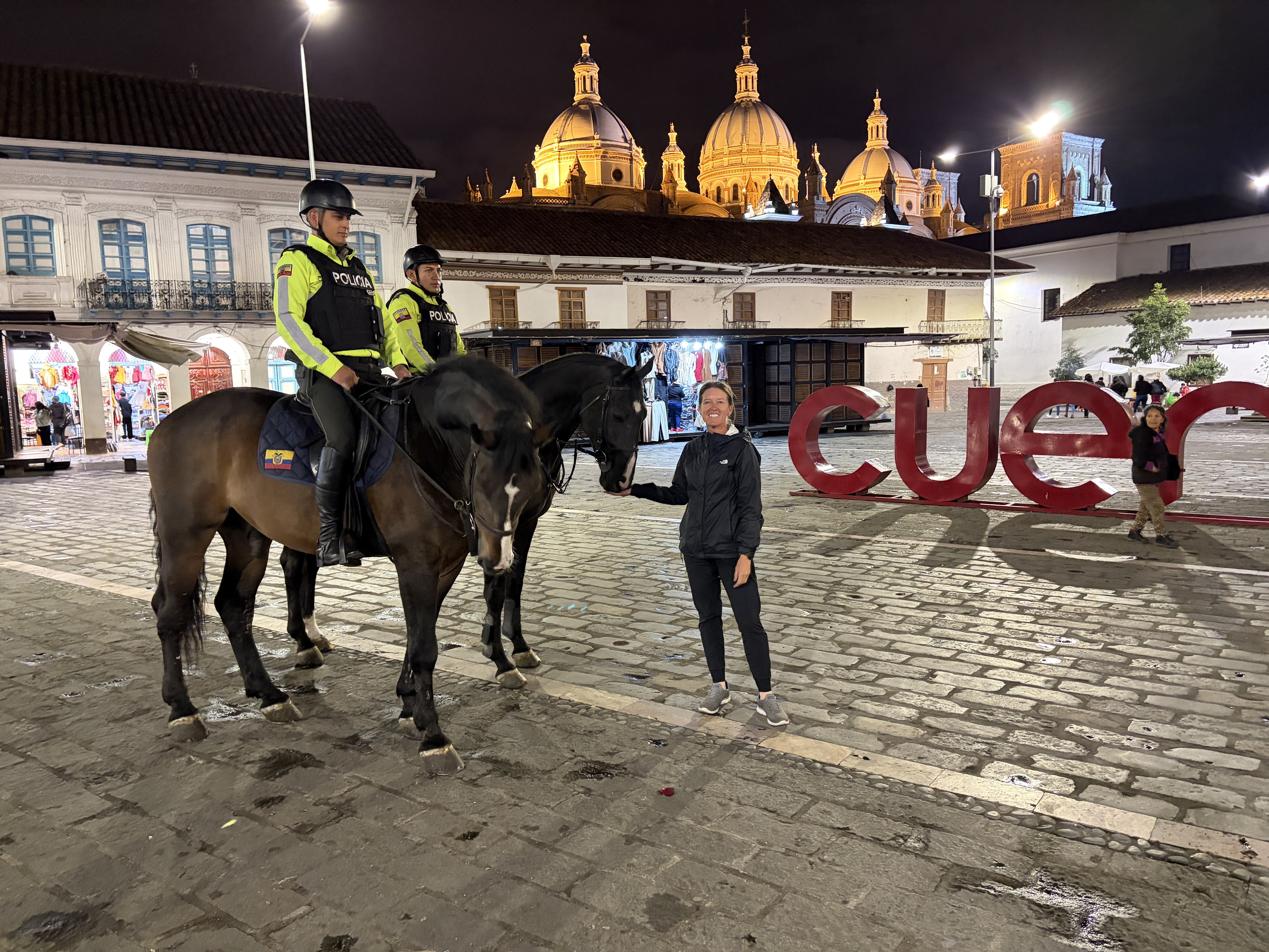
We called it a night and headed back to Casa Montalvo since our taxi would be waiting for us at 5:30 the next morning to then take us to the van depot for the first leg of our long drive to the coast. We then thanked Wilmer again for all that he had done to help us with the travel arrangements and bid him “Adiós, buenas noches.”
We weren’t in Cuenca for very long, but we felt confident that we had gotten a great sampling of all that it had to offer. In fact, while soaking and relaxing in the Japanese pool after our “spa circuit,” we had been chatting with a guy that lives in Canada but whose hometown is Cuenca, and when we asked him what else we should do or see, he really couldn’t think of anything since we had already done everything on his list! Also, fun fact, I logged 20,000+ steps that day.