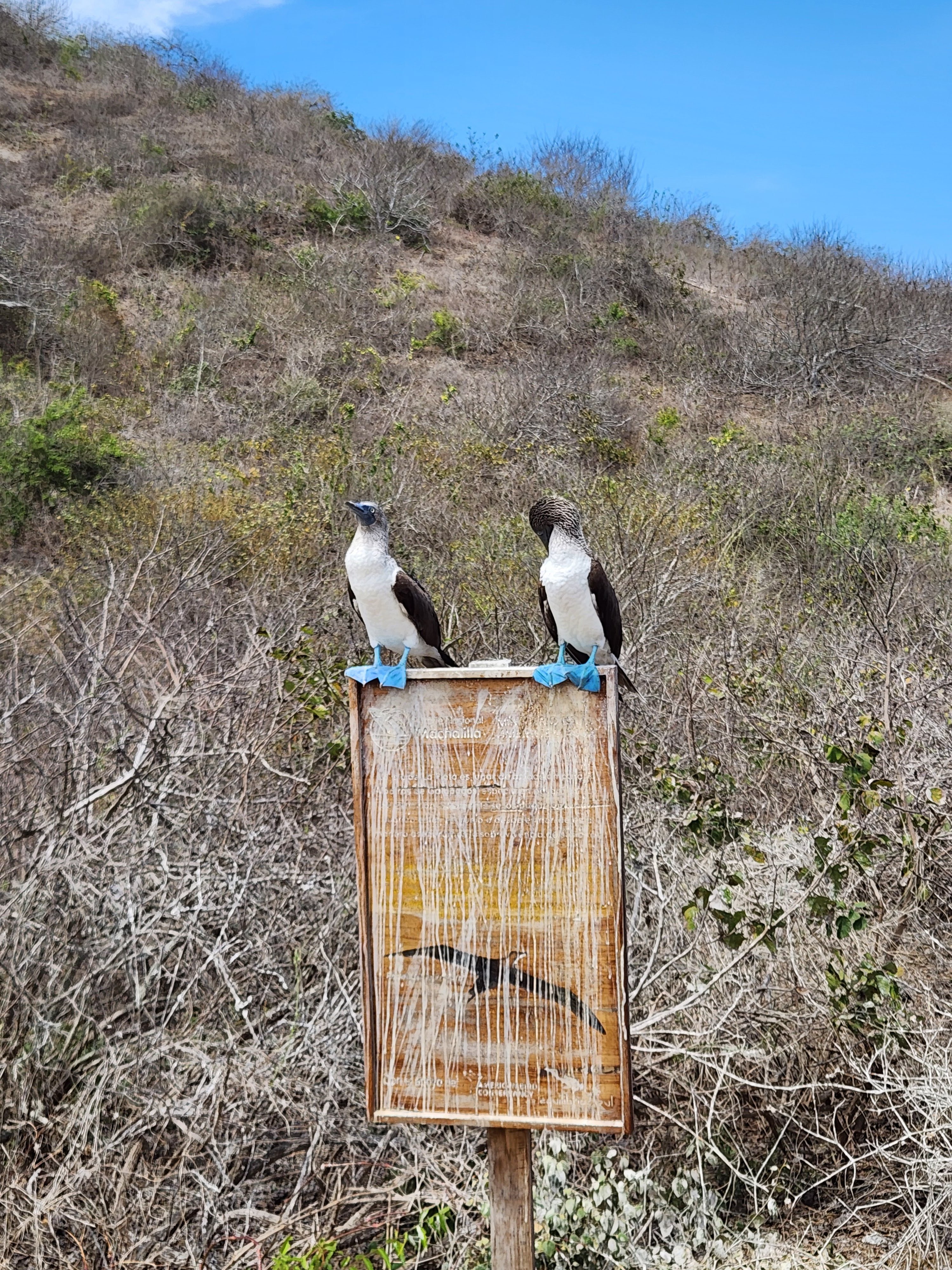
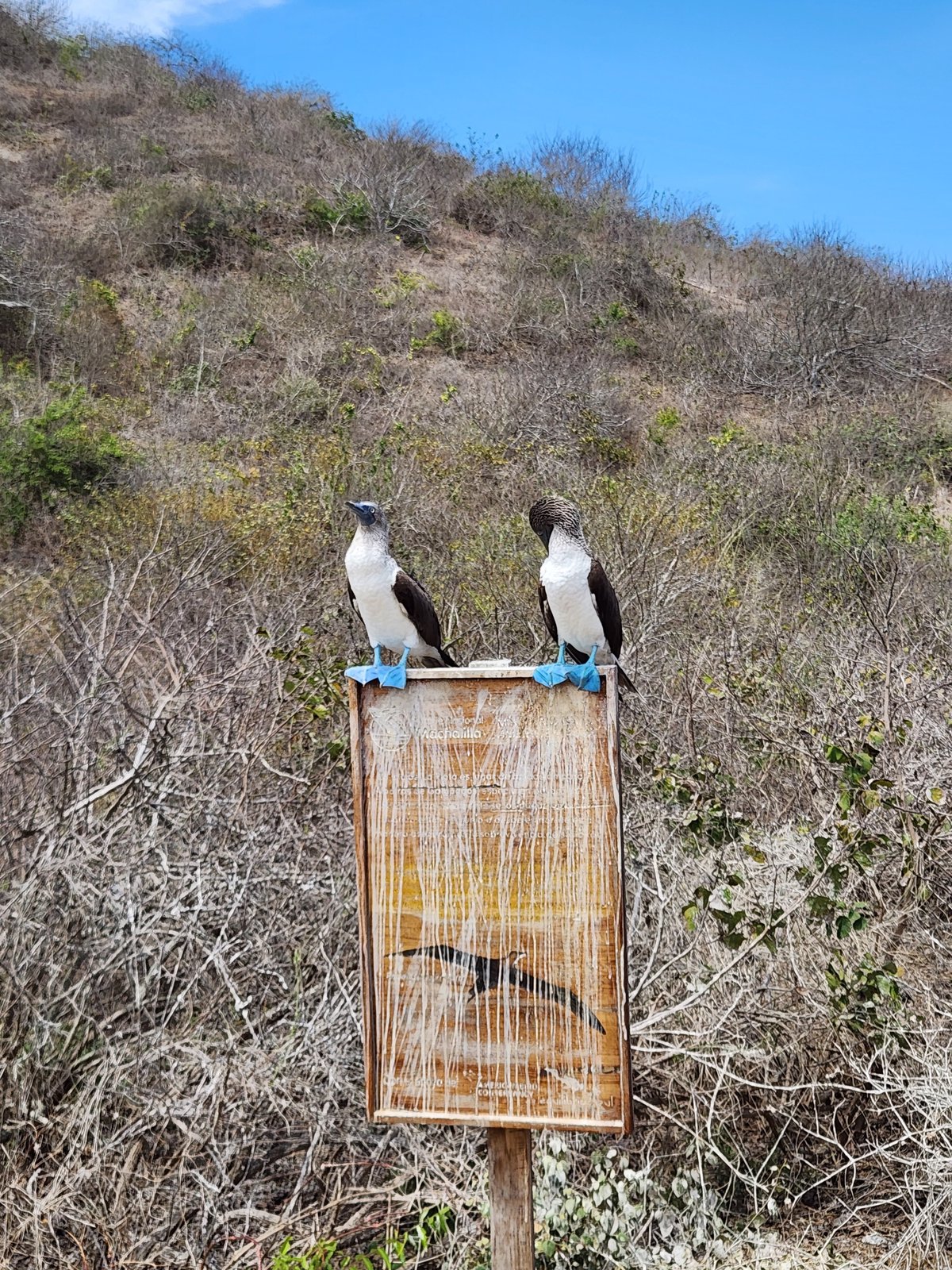
I remember first learning about the Galapagos Islands in Biology I as a freshman in high school and was immediately intrigued by the idea of a young Charles Darwin, acting as the naturalist aboard the HMS Beagle, being inspired to eventually write On The Origin of Species in response to the incredible biodiversity he witnessed while travelling amongst the South American archipelago. As I had mentioned earlier, we would not be visiting the Galapagos on this trip but we had managed our itinerary to get to the coast of Ecuador so that we could take a trip to Isla de la Plata, which is often referred to as “the poor man’s Galapagos.” While this island lacks some of the species that are often associated with the Galapagos such as marine iguanas, Darwin’s finches, and giant tortoises, it does have one fantastically named and famous “must-see” bird: the blue footed booby, and today was the day we would get to see them!
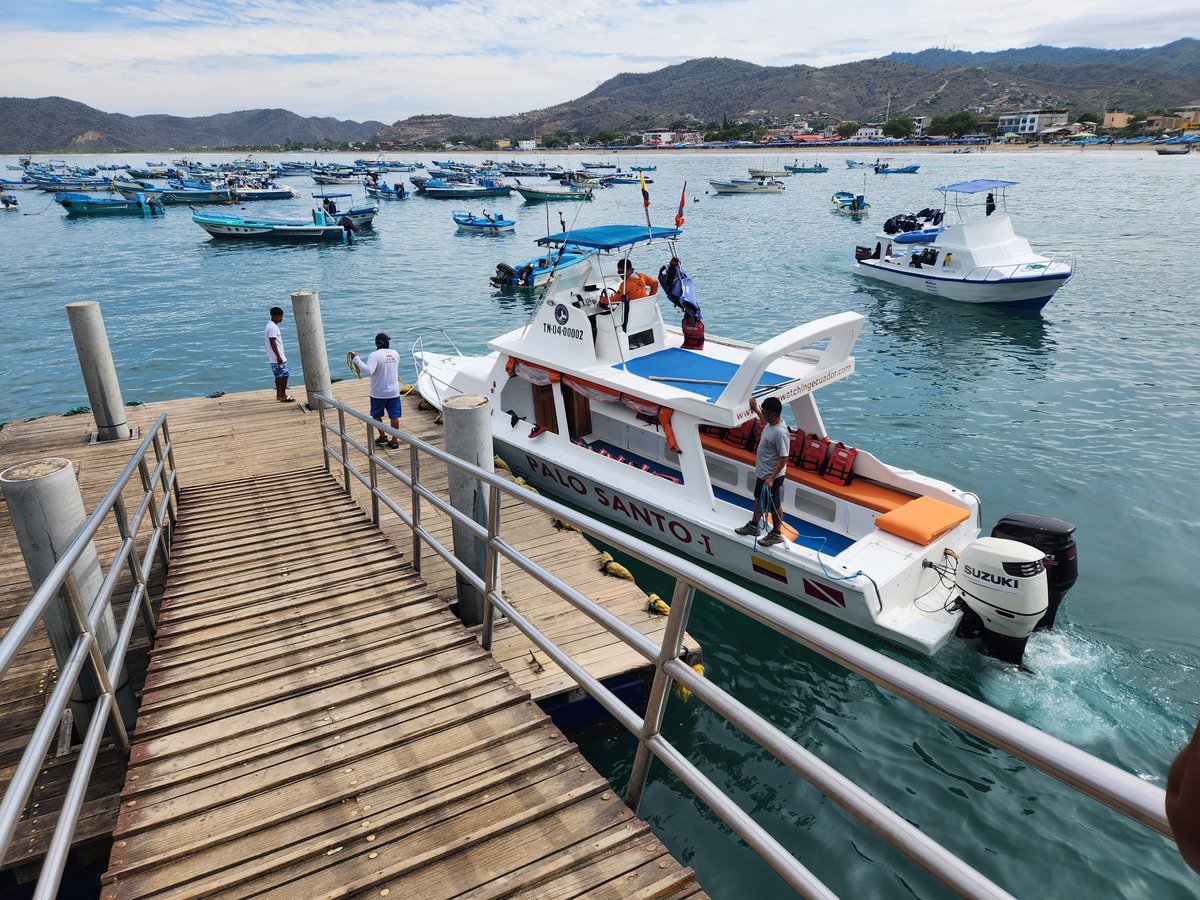
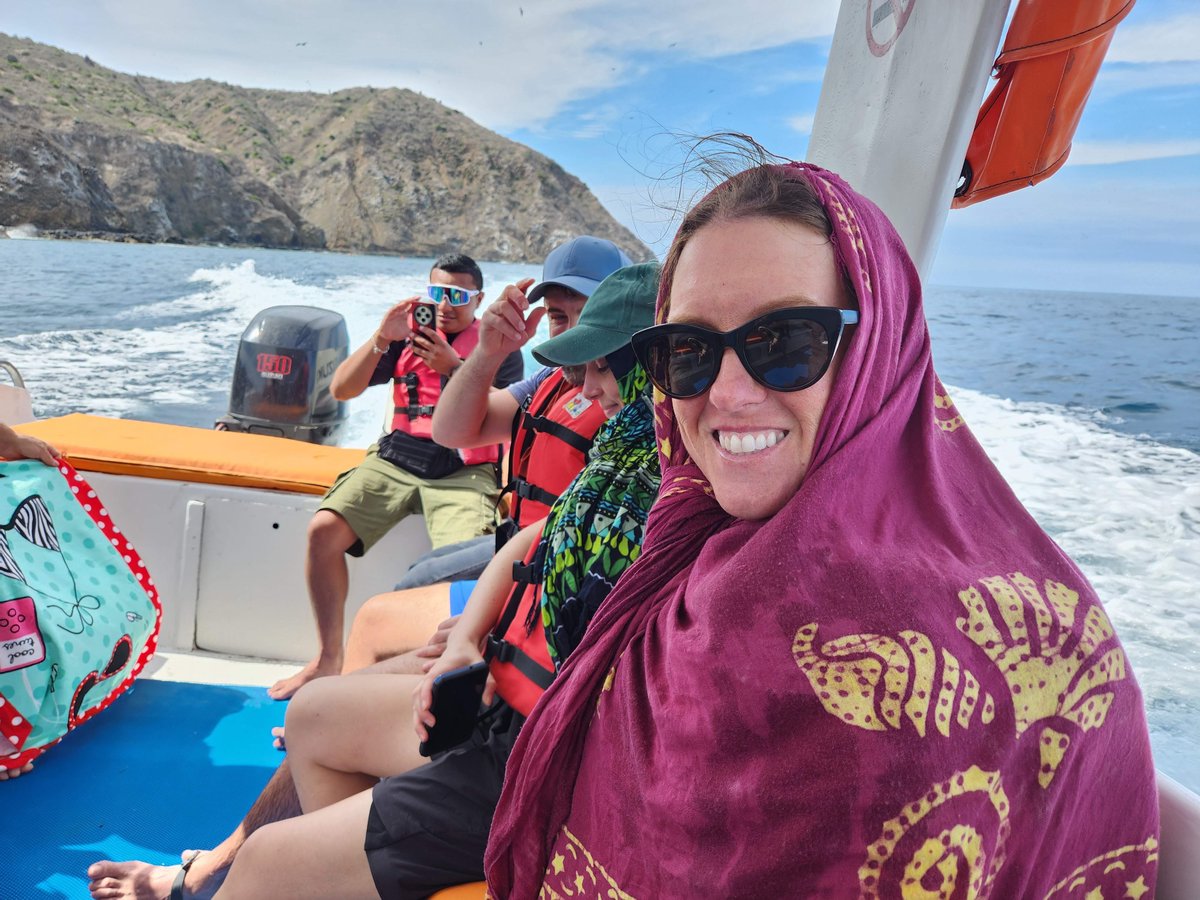
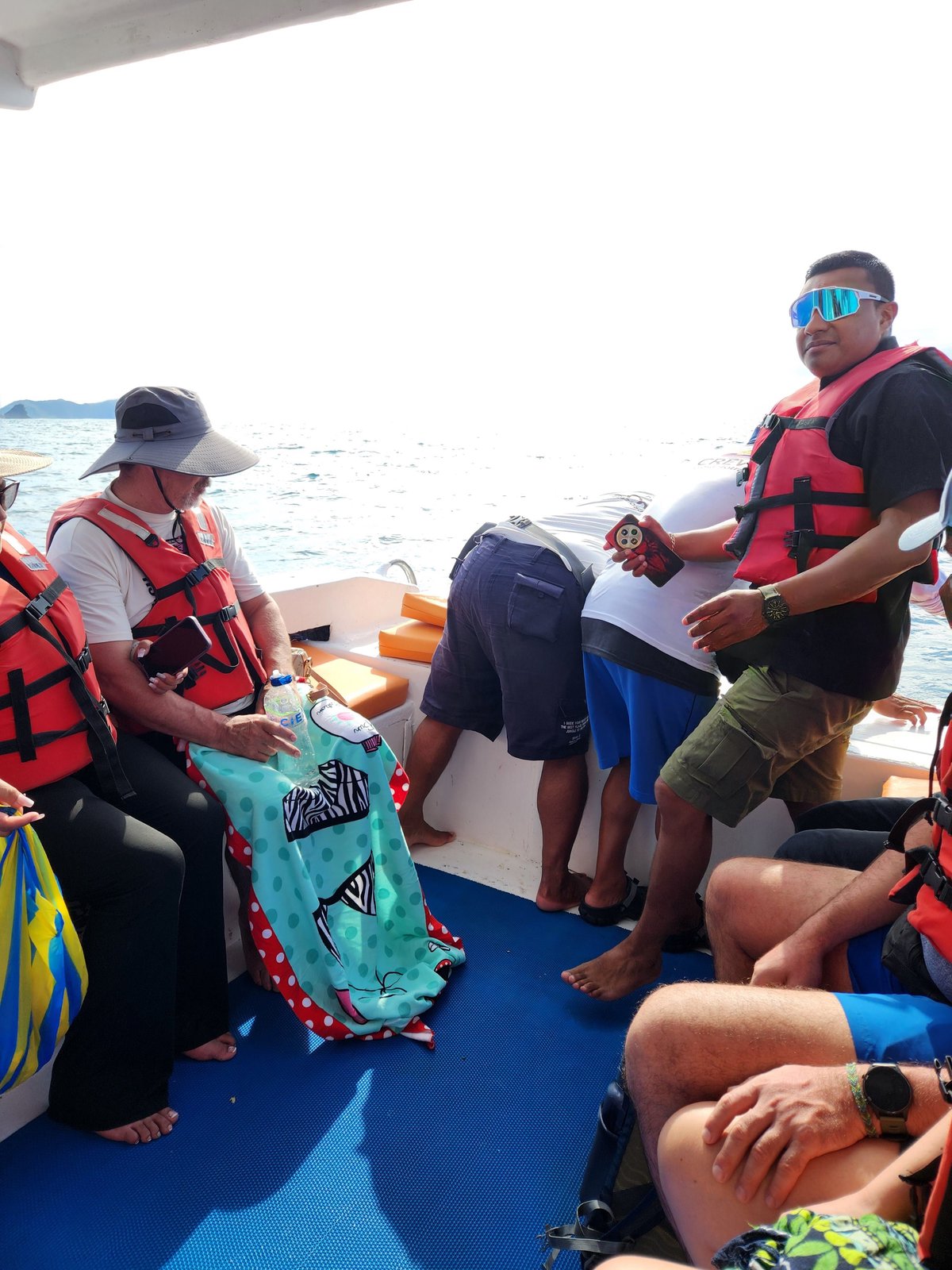
Scott had booked our tour and on Sunday morning after breakfast we walked into Puerto Lopez to the tour company’s storefront as instructed. From there our group followed the guide down to the same pier that Scott had left from the day before on his dive trip. While waiting for the boat to arrive we chatted with some of the other tour-goers and met a pair of young Dutch engineers who were assigned to a sea-salt extraction project a few hours south of Puerto Lopez. We quickly learned that they had their very own security detail assigned to them, a pair of late 20’s dark sunglass-clad Ecuadorians who must have been packing the heat in the tactical fanny packs that were sporting, and we felt quite safe to be on the same trip- we couldn’t imagine these fellas letting any cartel funny business go down around us on their watch.
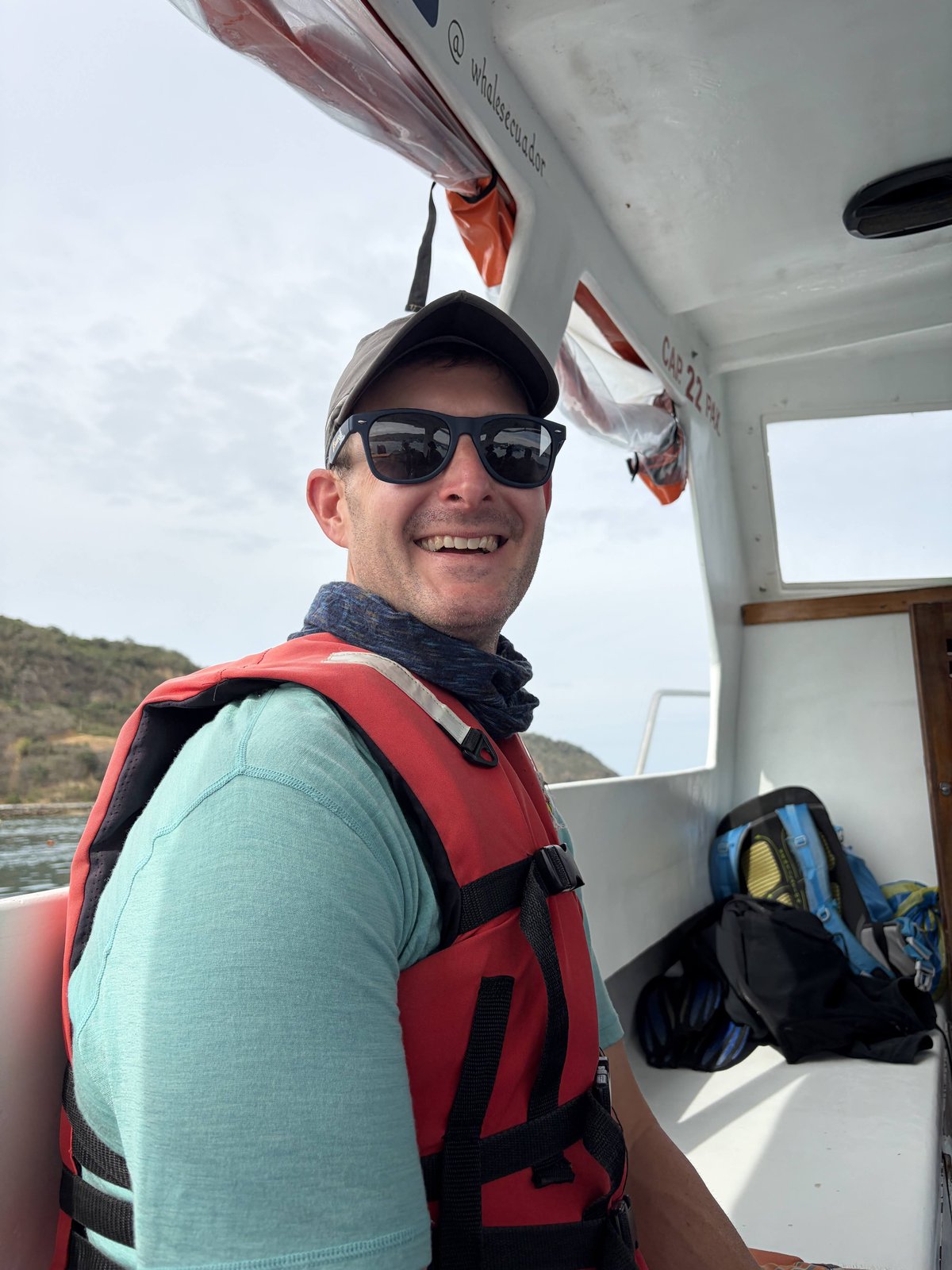
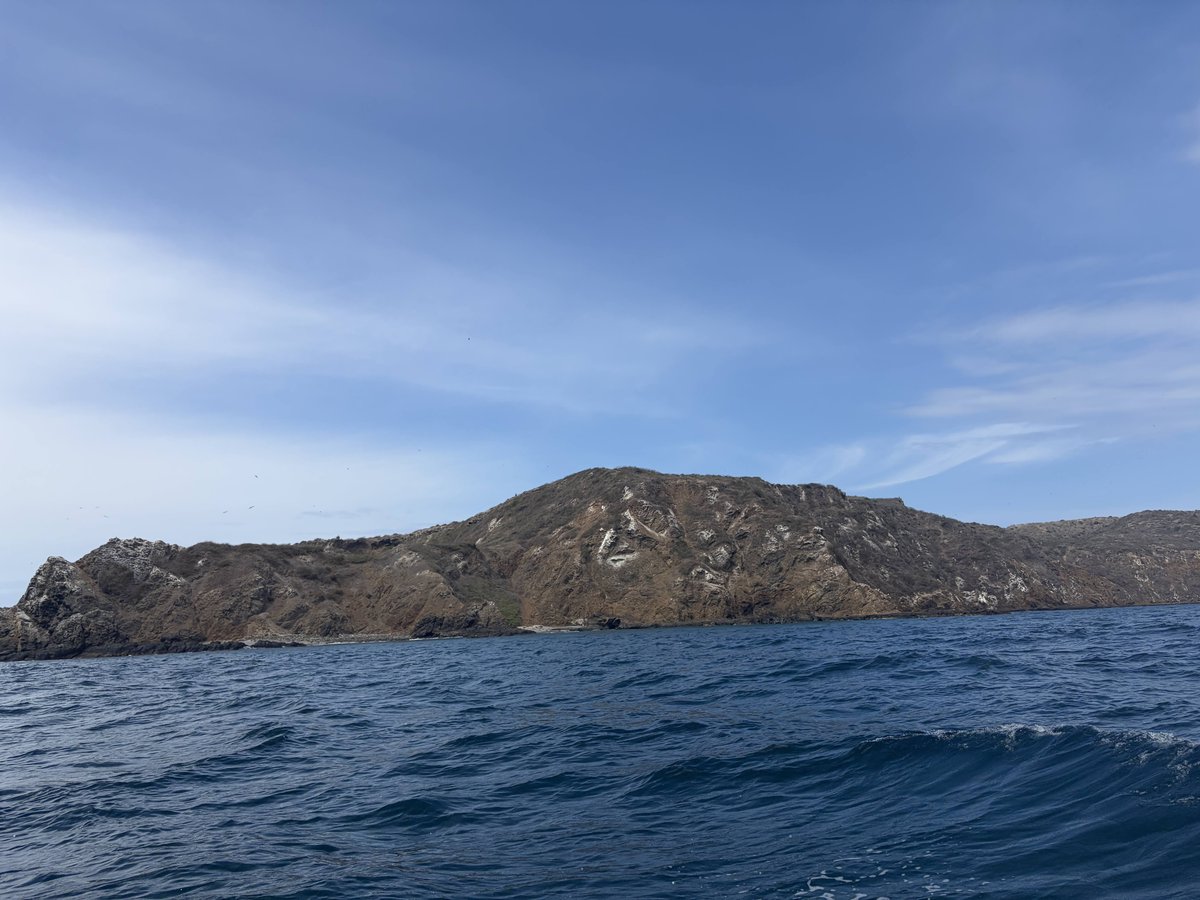
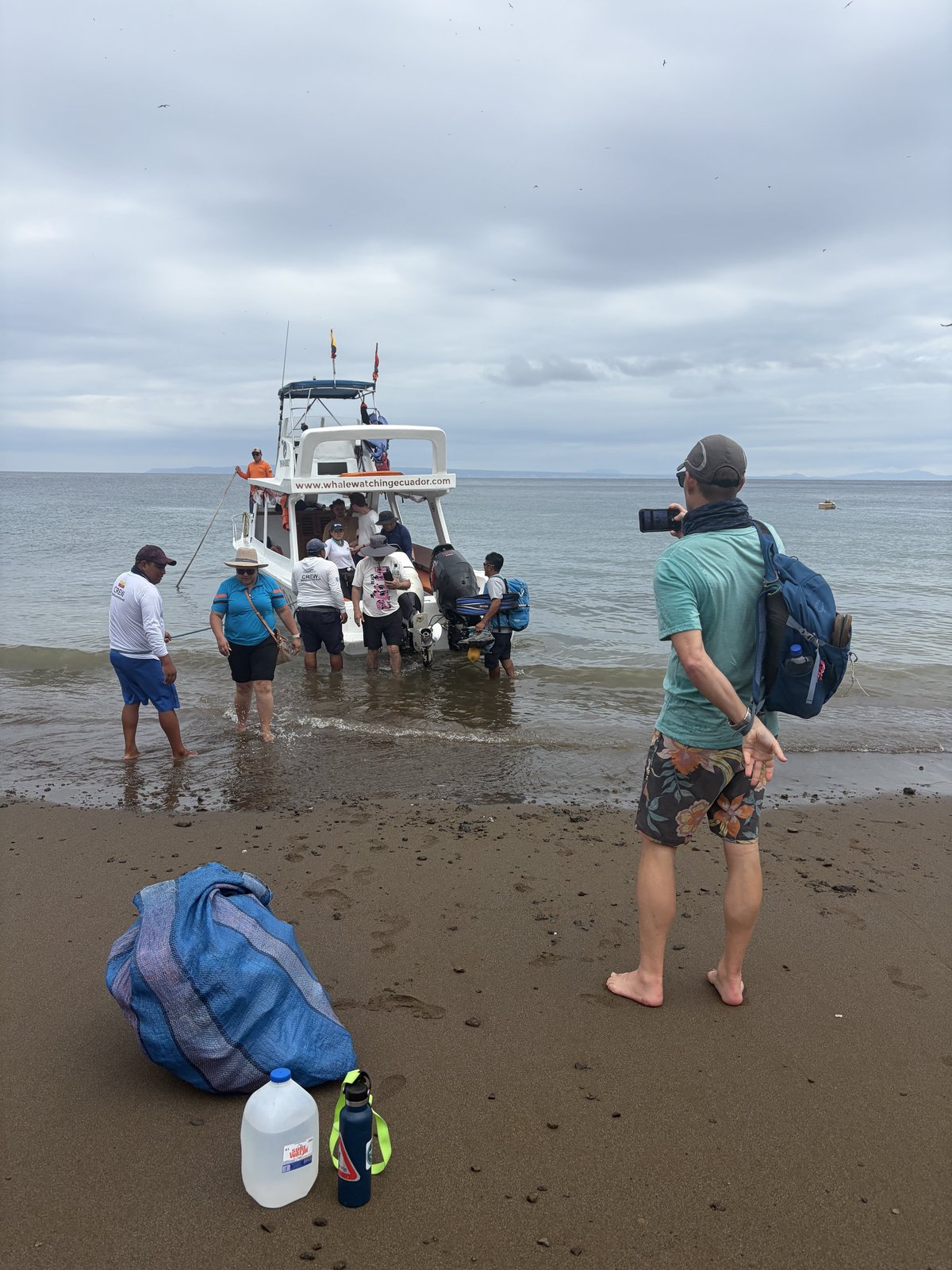
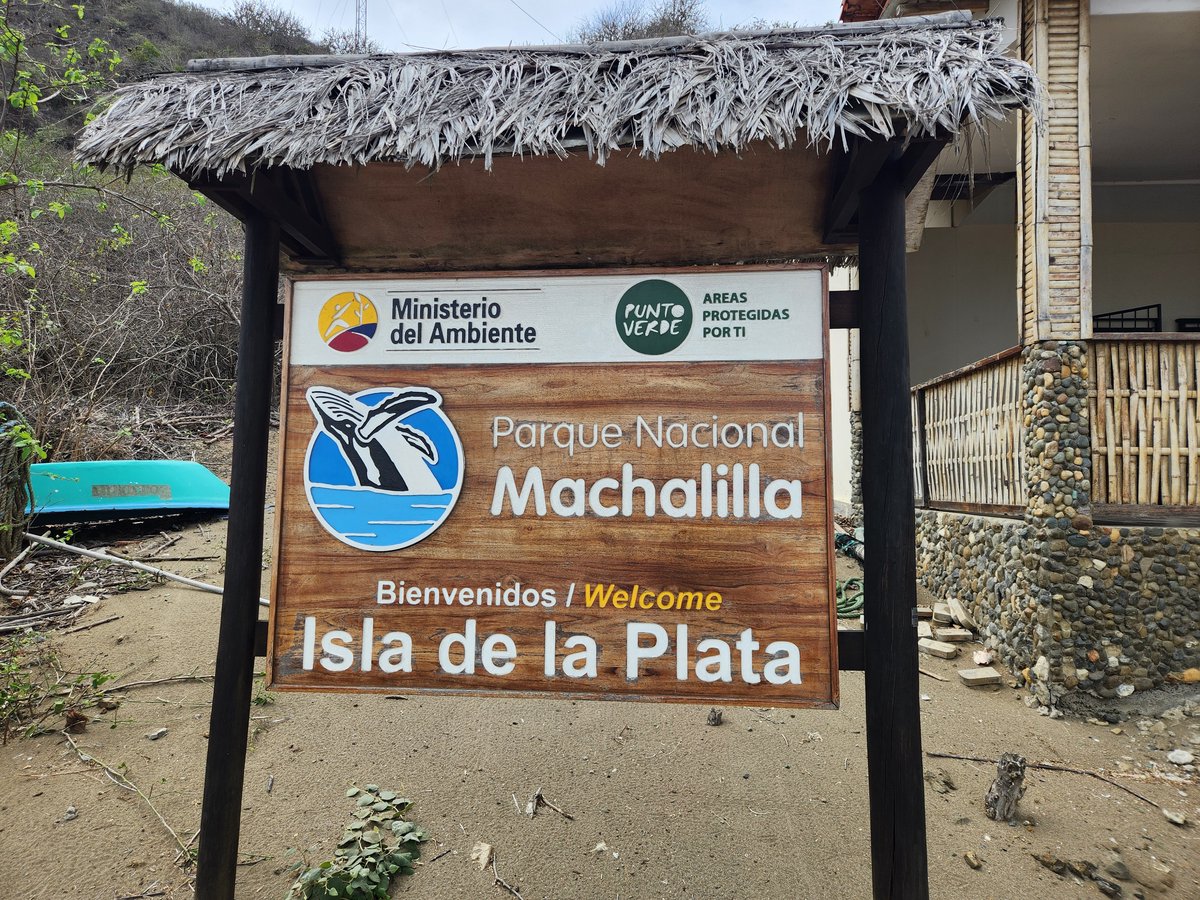
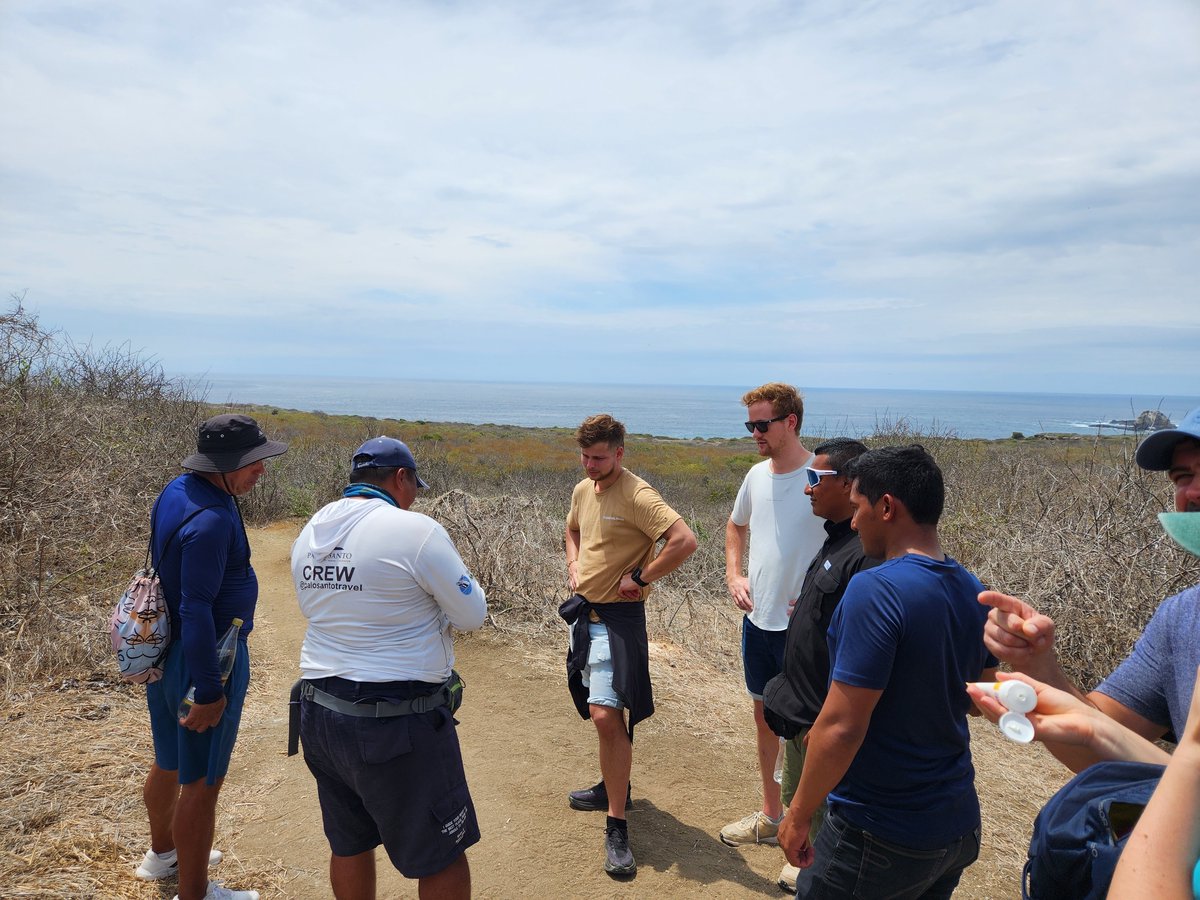
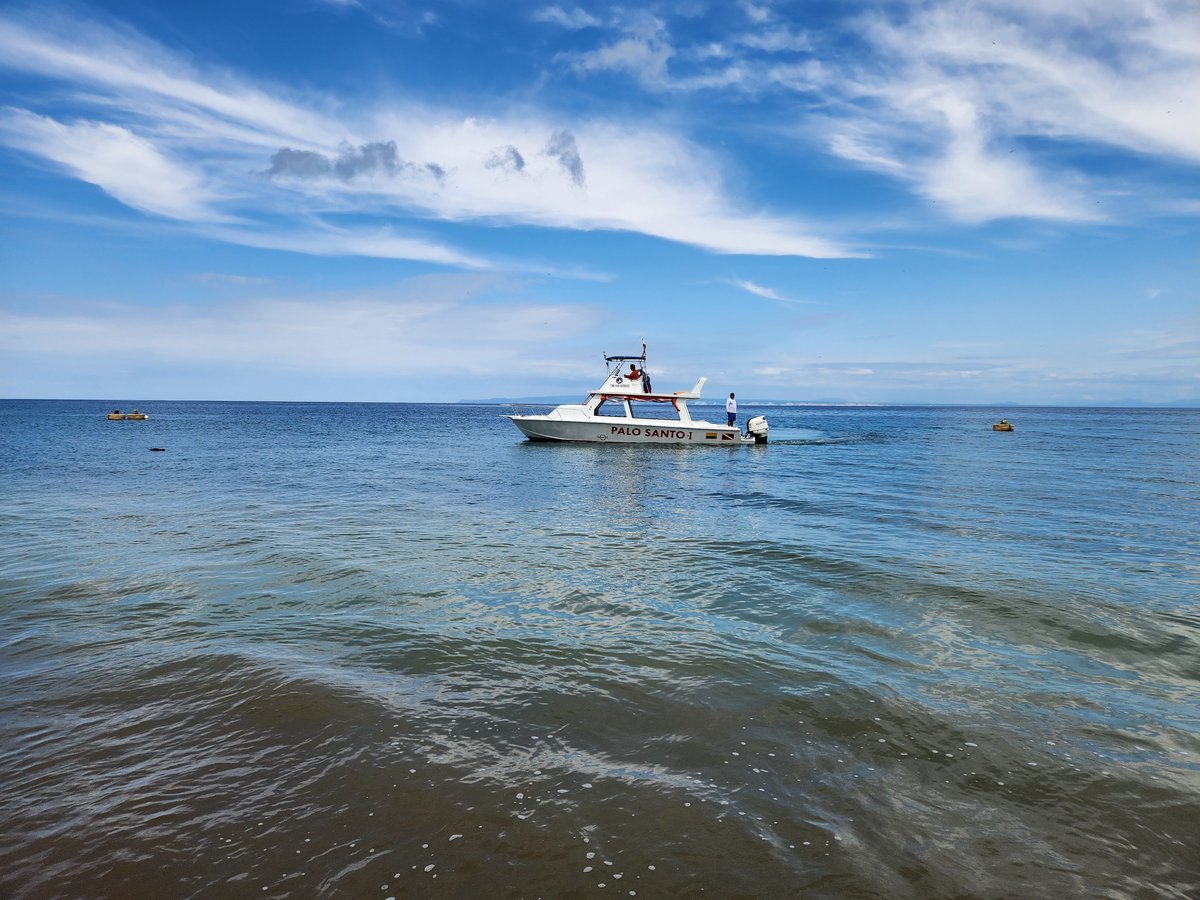
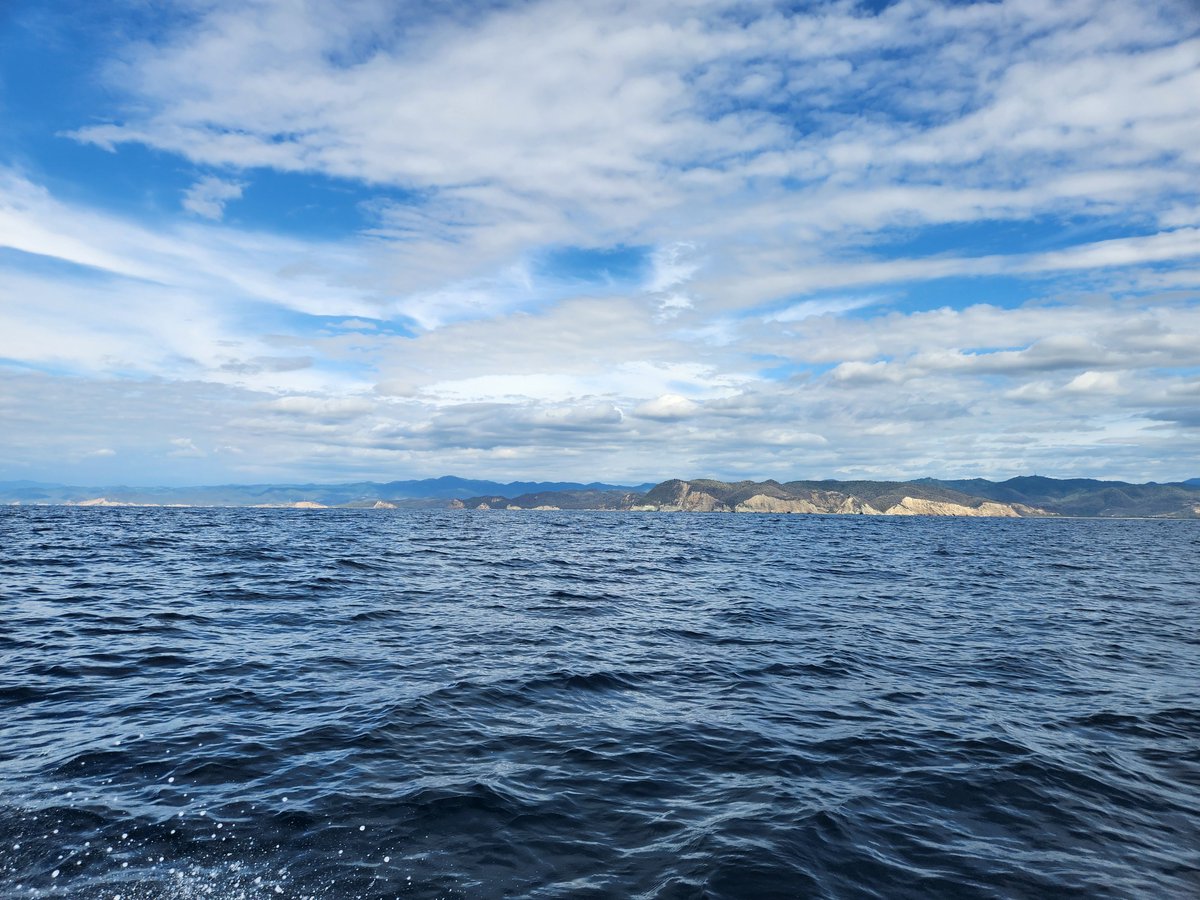
The boat ride took about an hour, and although I kept my eyes peeled, we unfortunately didn’t see any of the dolphin activity that Scott had seen on his boat ride out to the dive sites yesterday. We eventually reached Isla de la Plata, and were given permission to exit the boat and to wade ashore the island. We were given a quick lay of the land and history of the island from our tour guides as well as some rules to abide by since it is part of the Machalilla National Park and then began our hike to see the boobies.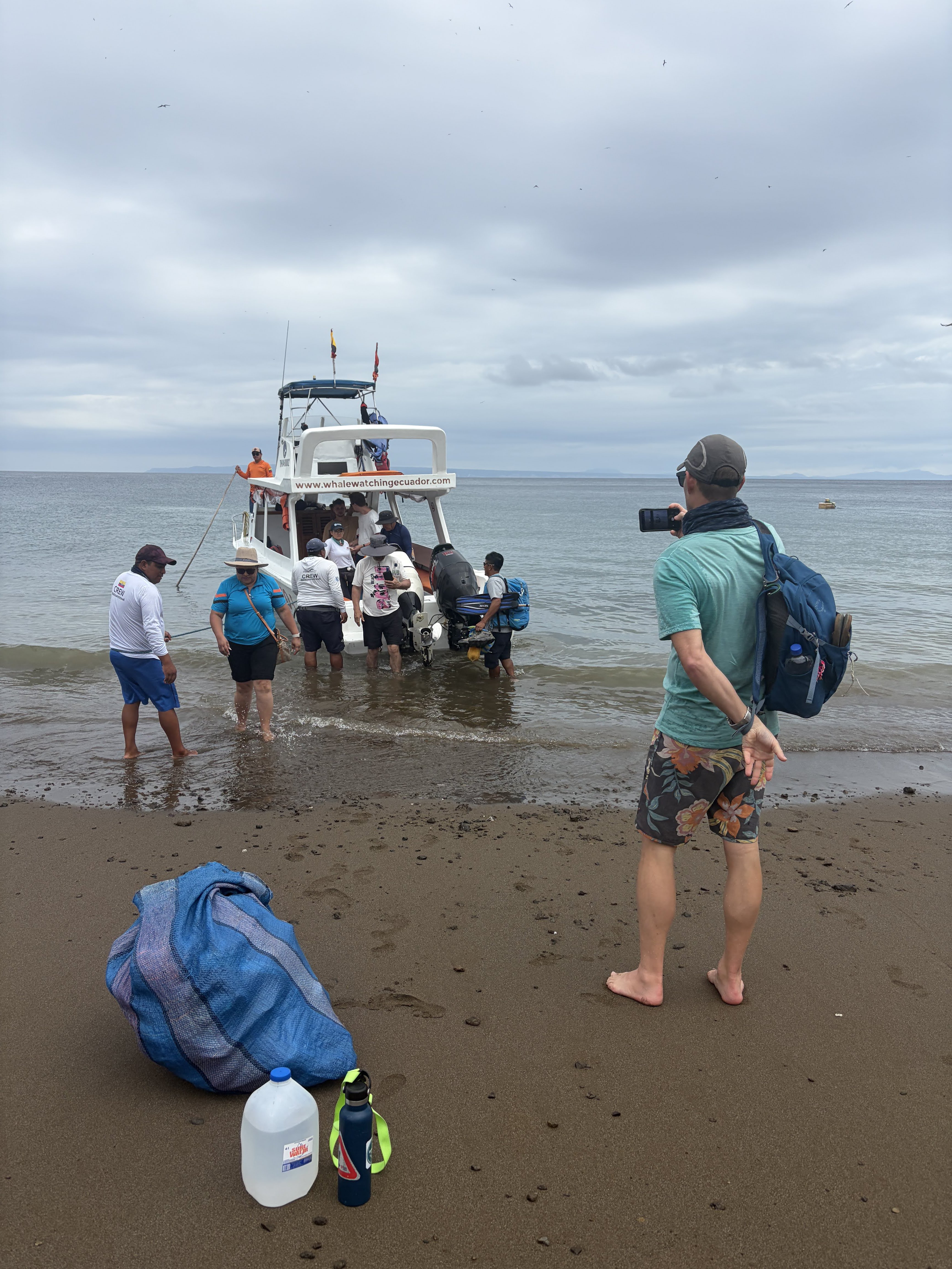
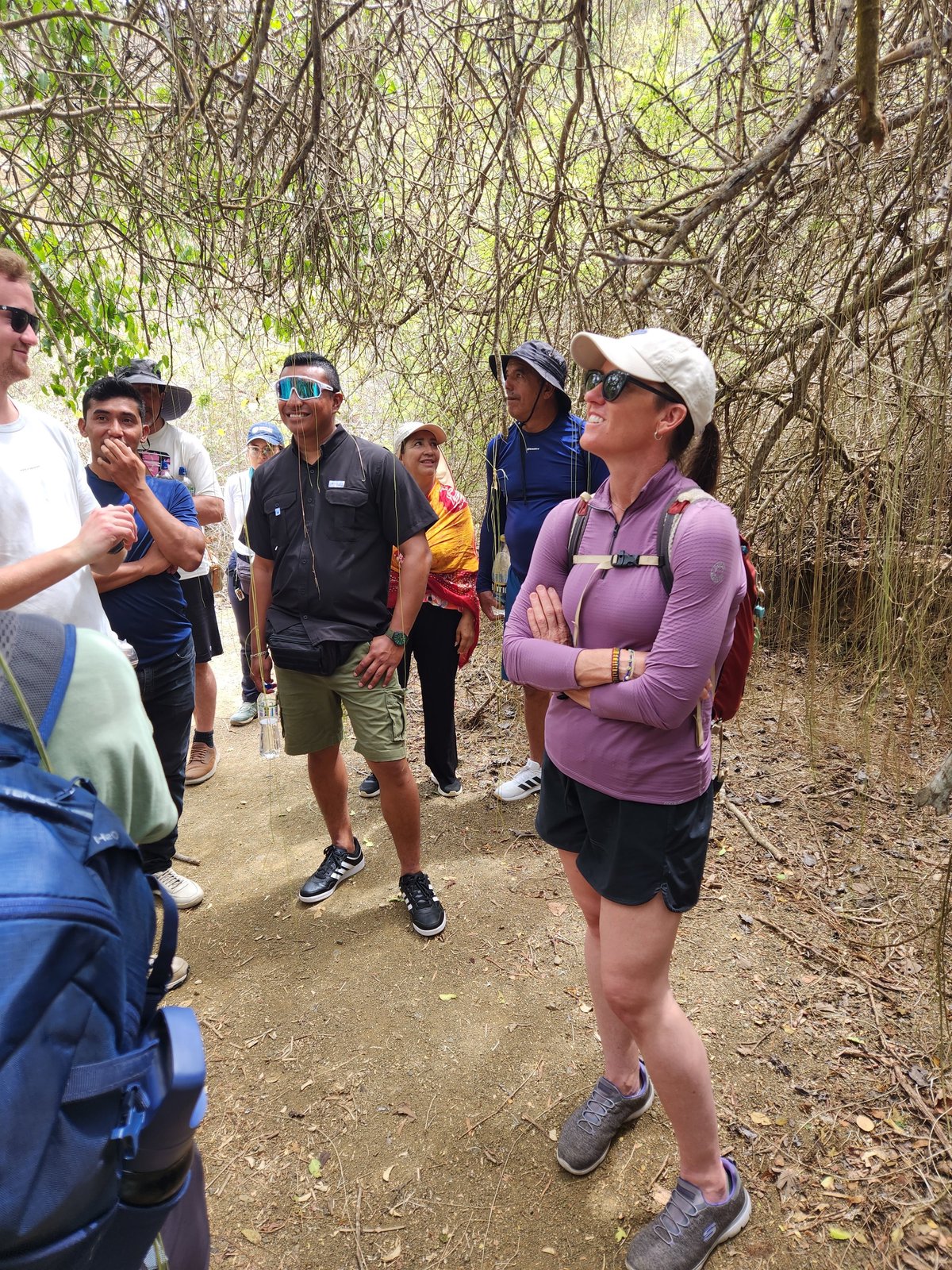
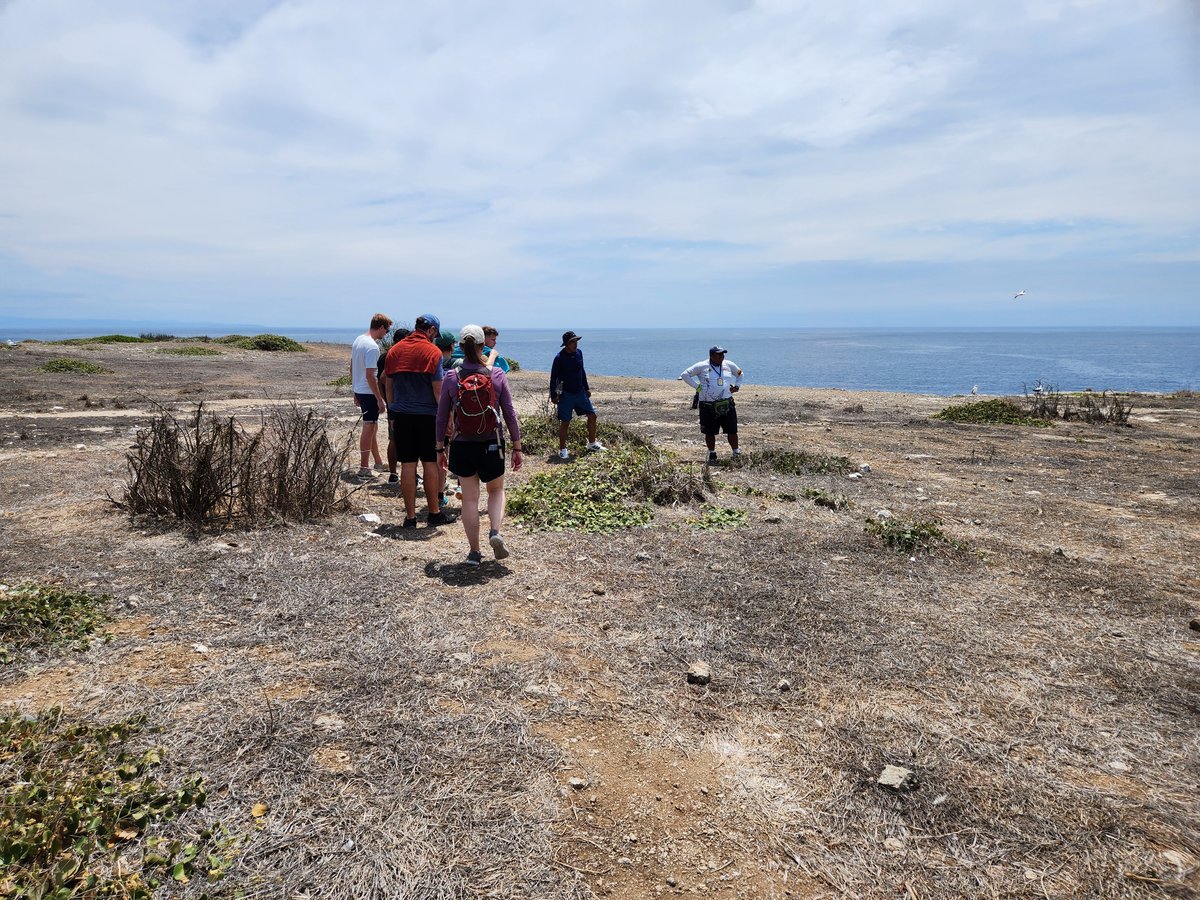
This was the dry season and it was quite arid and much hotter than the mainland. Everything on the desert island was crunchy and a drab brown this time of year. The steep incline was often punctuated by stairs and blessedly, our guide would stop occasionally to show us an interesting plant or to listen for a particular bird and these nature talks served as welcome breaks to catch our breath and to cool off.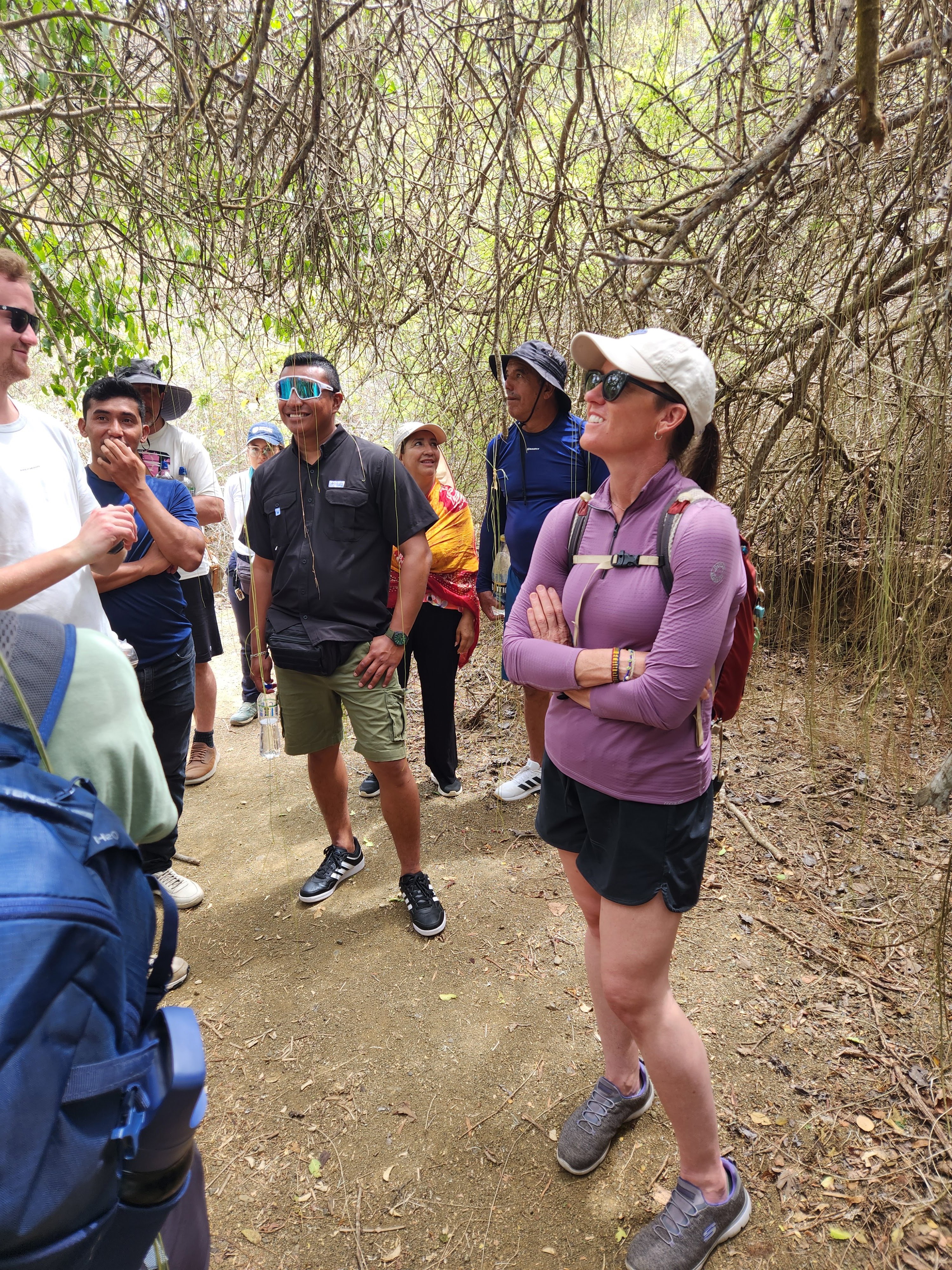
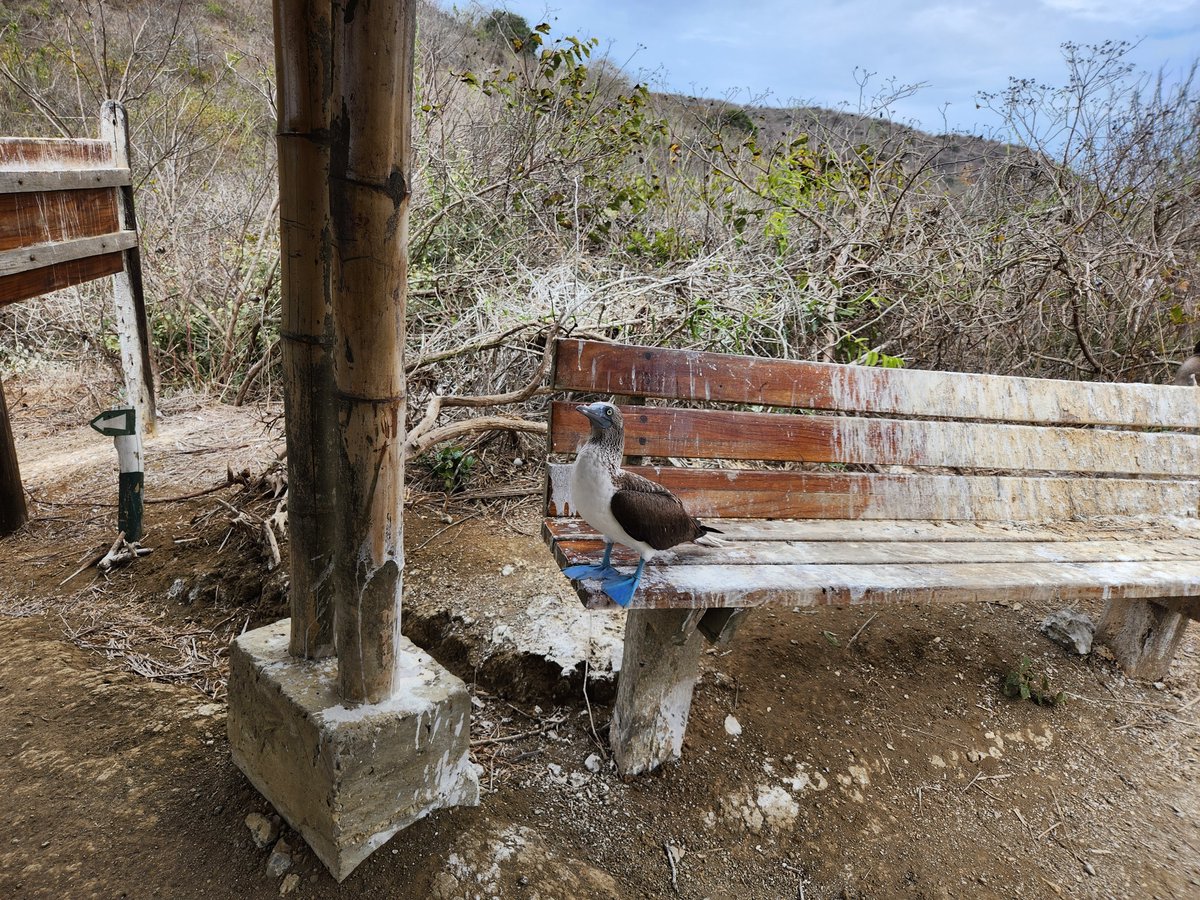
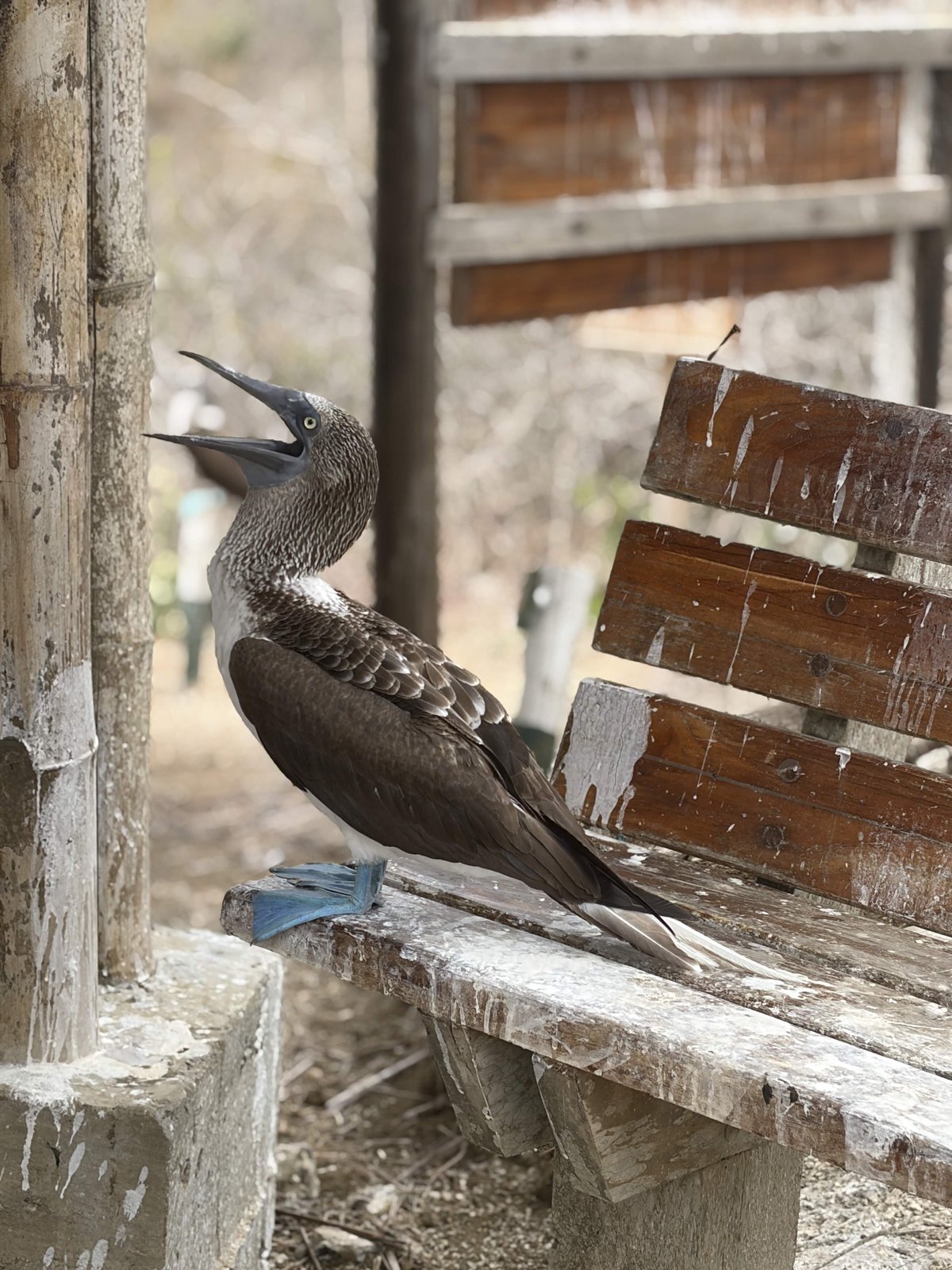
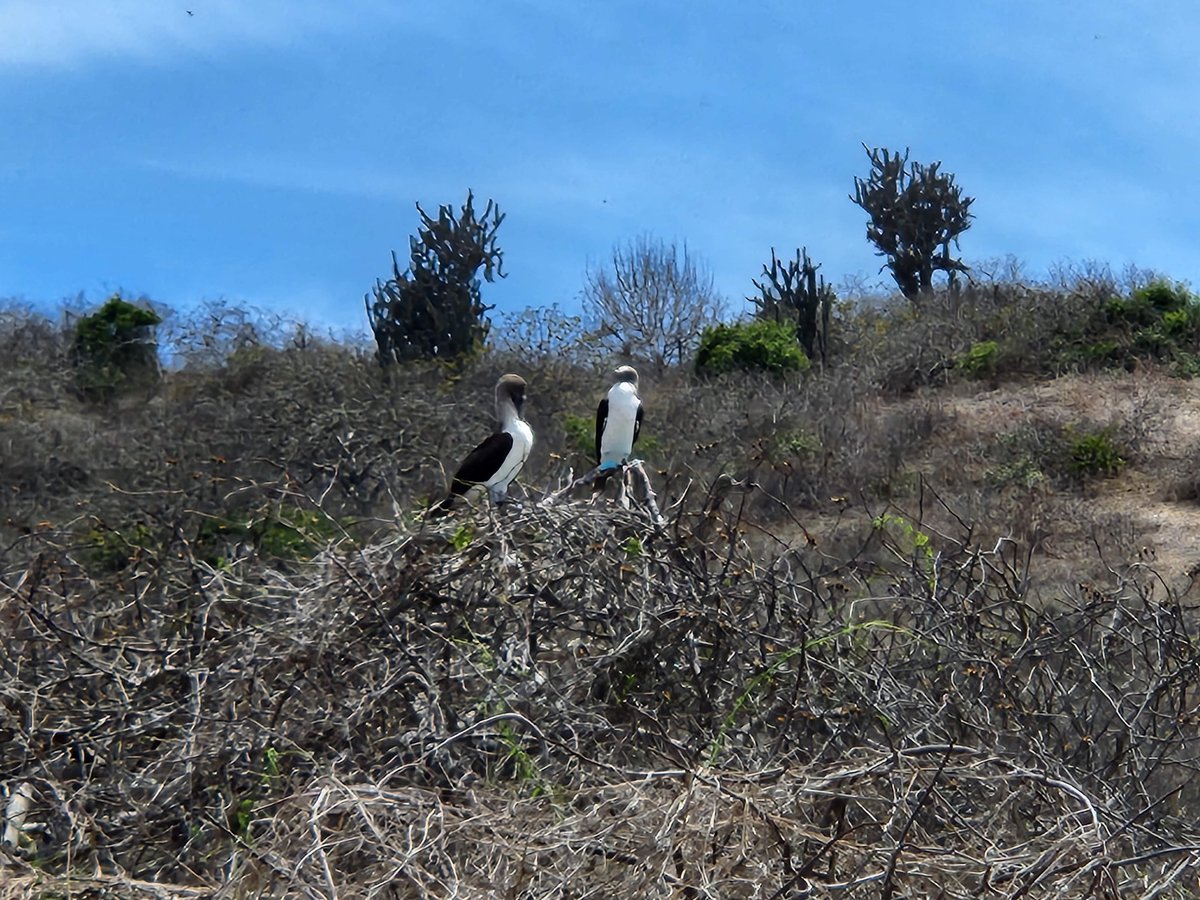
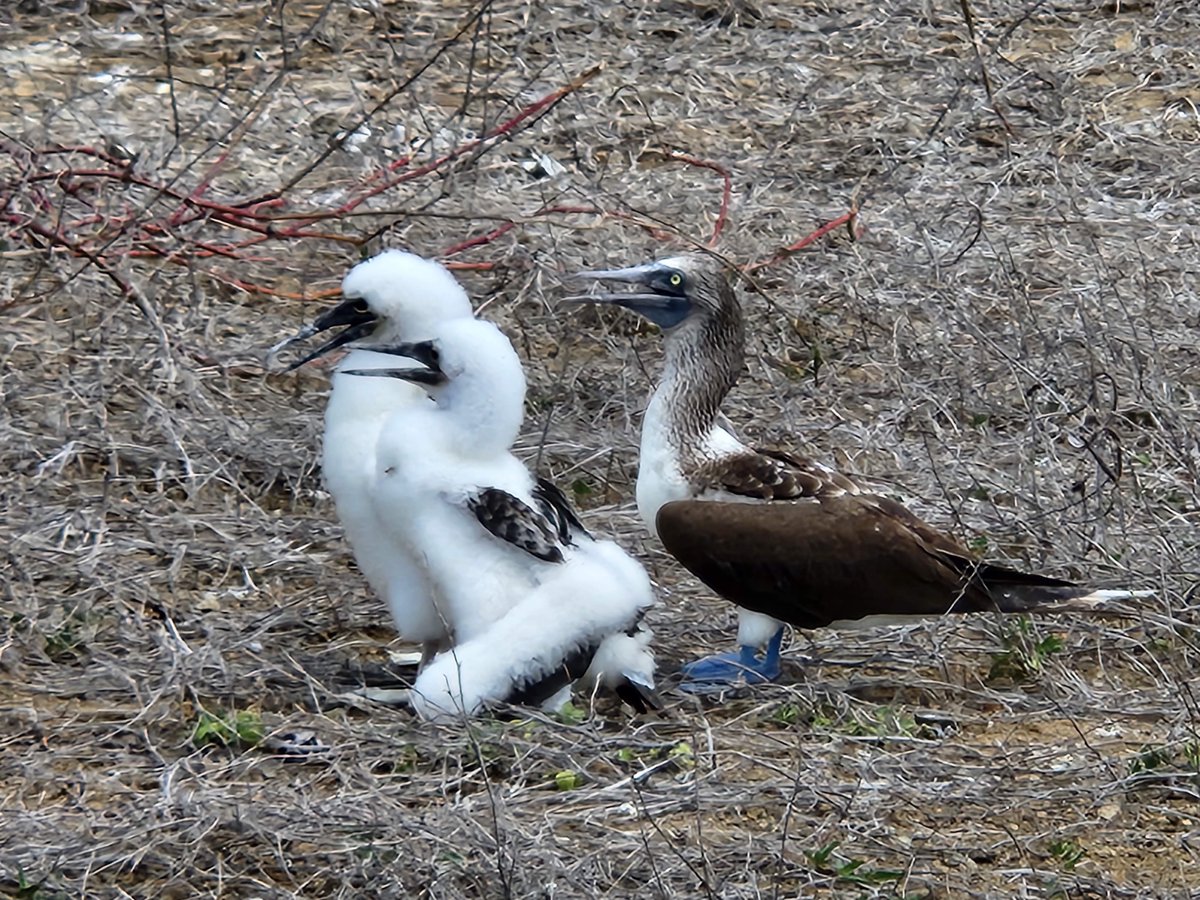
Eventually when we reached the peak we were treated to our first blue footed booby sighting- several pairs had made their nests under the shade of the man made gazebo. The large birds were entirely nonplussed by our presence and while we tried to give them a respectable berth so as to avoid stressing them out, we were able to get fantastic photos since we could get so close.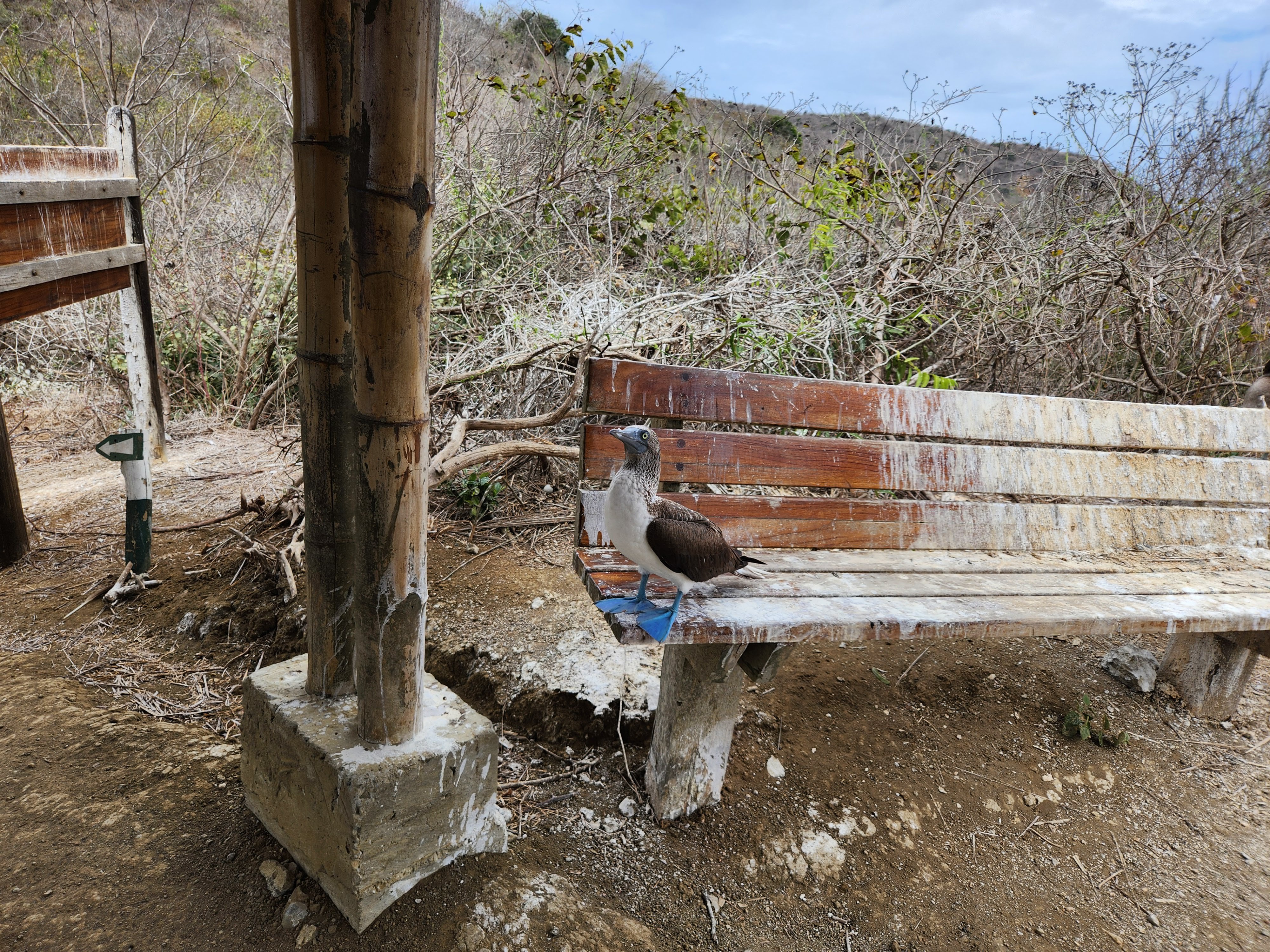
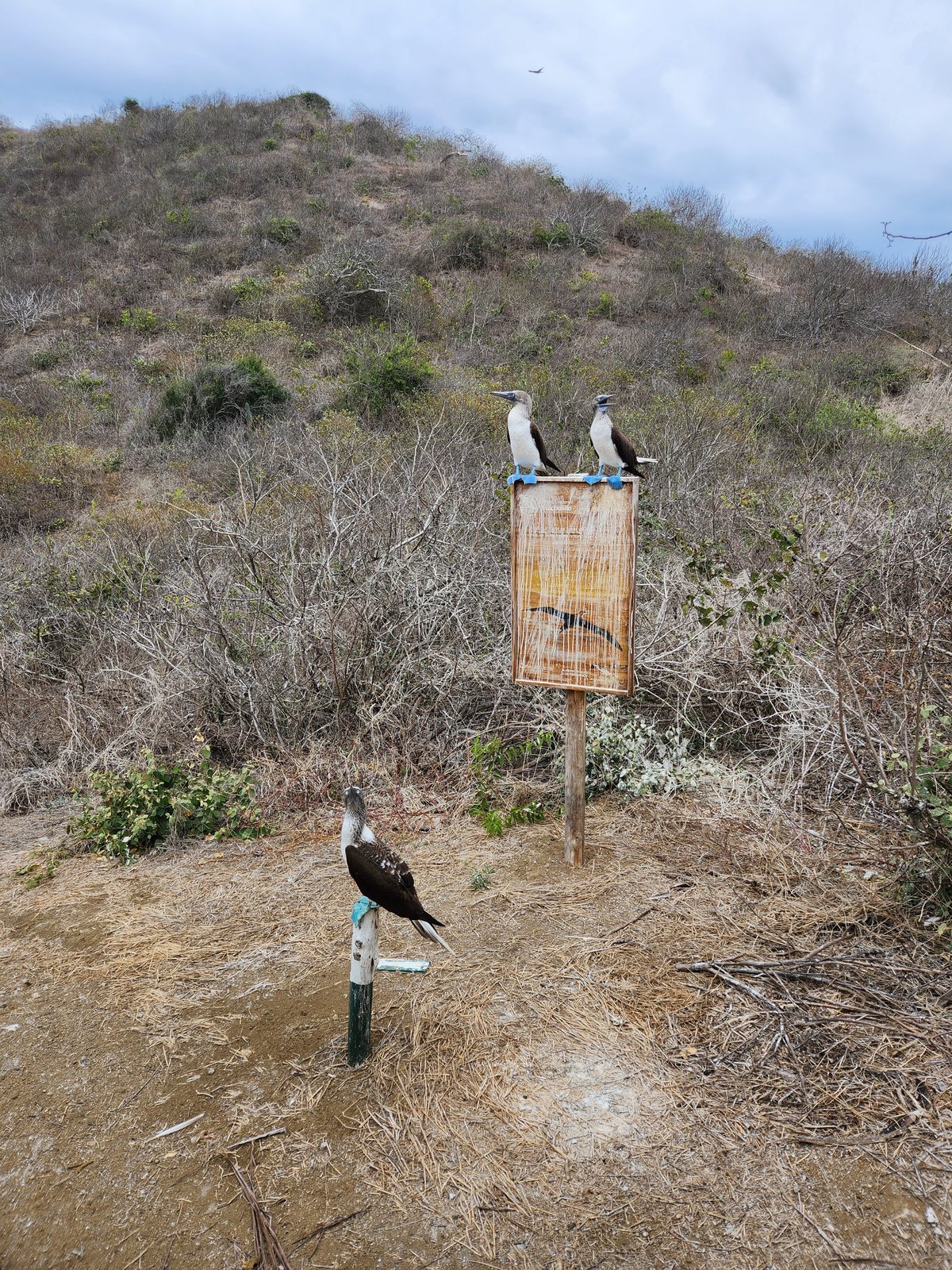
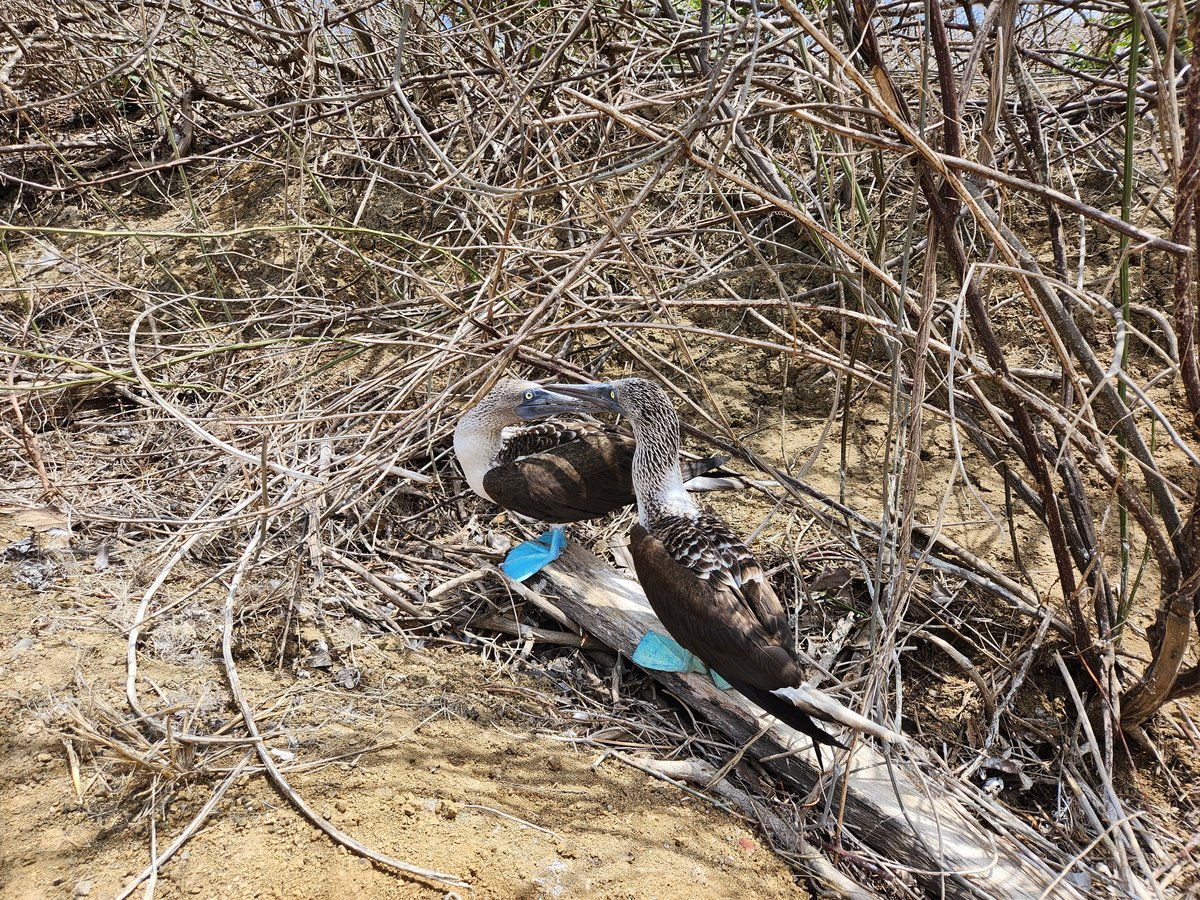
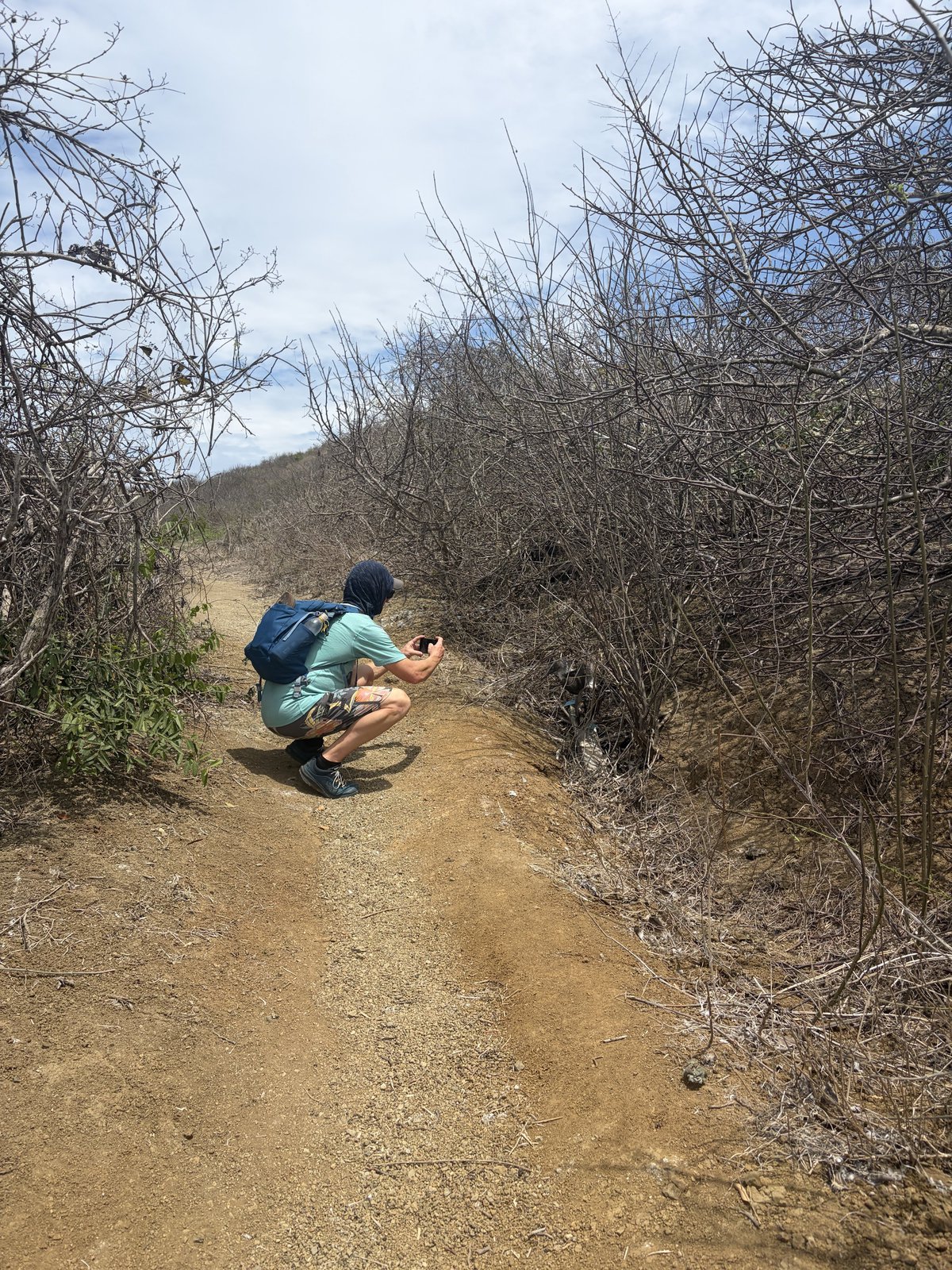
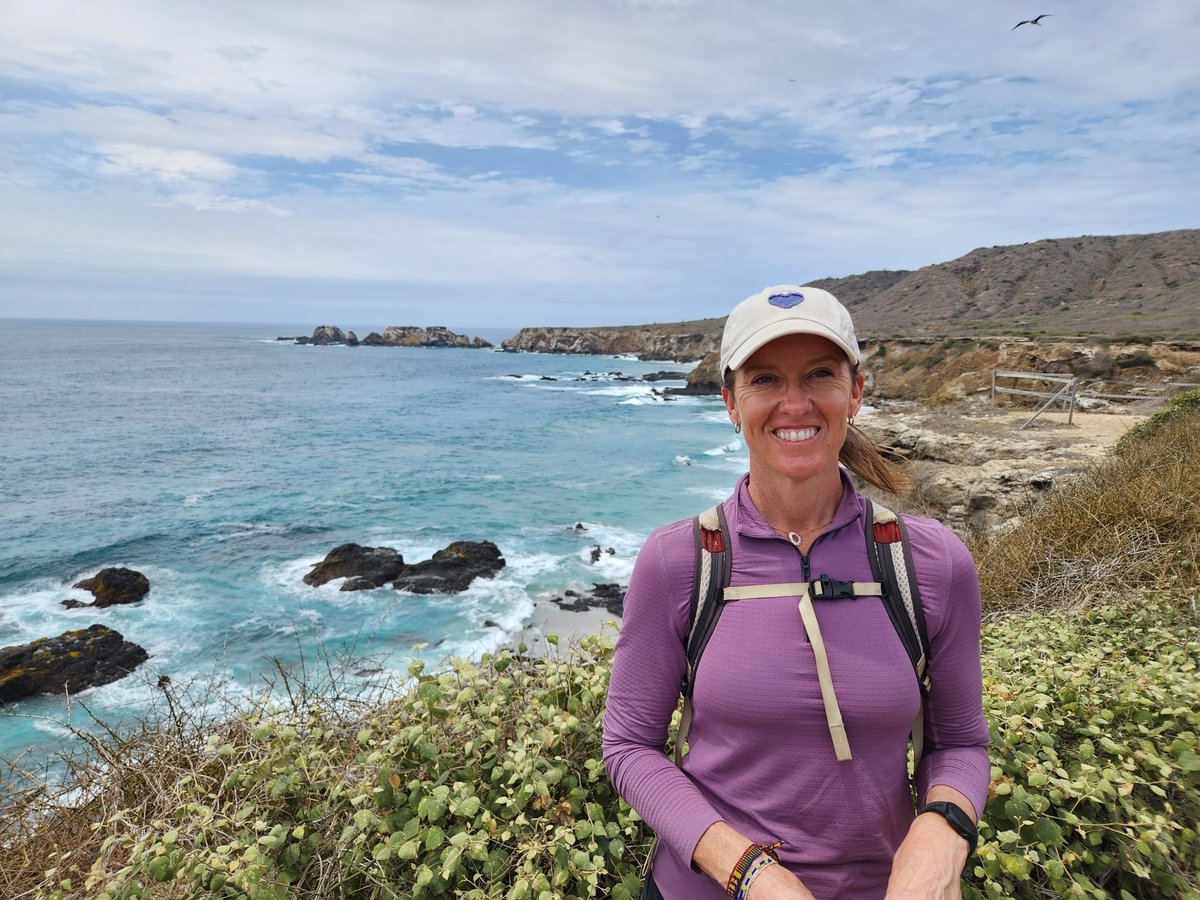
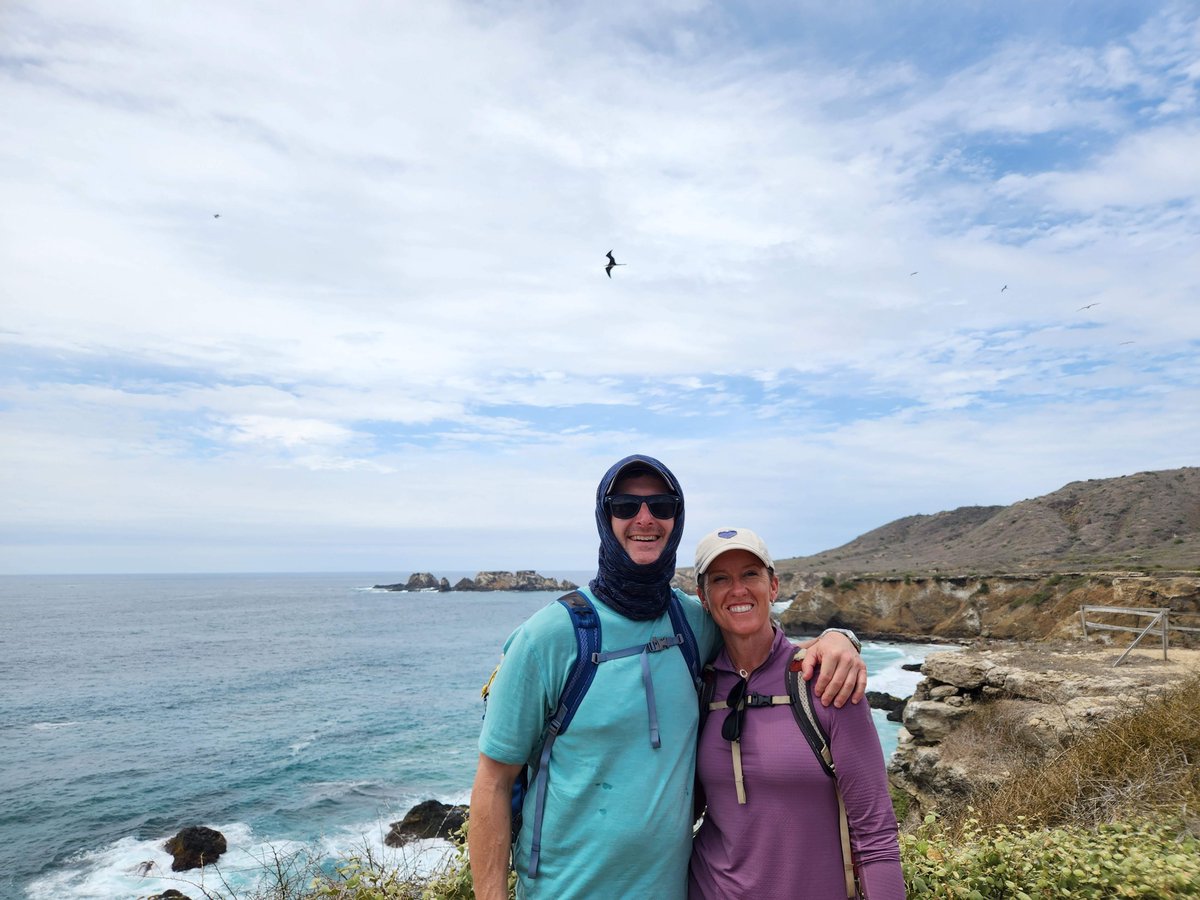
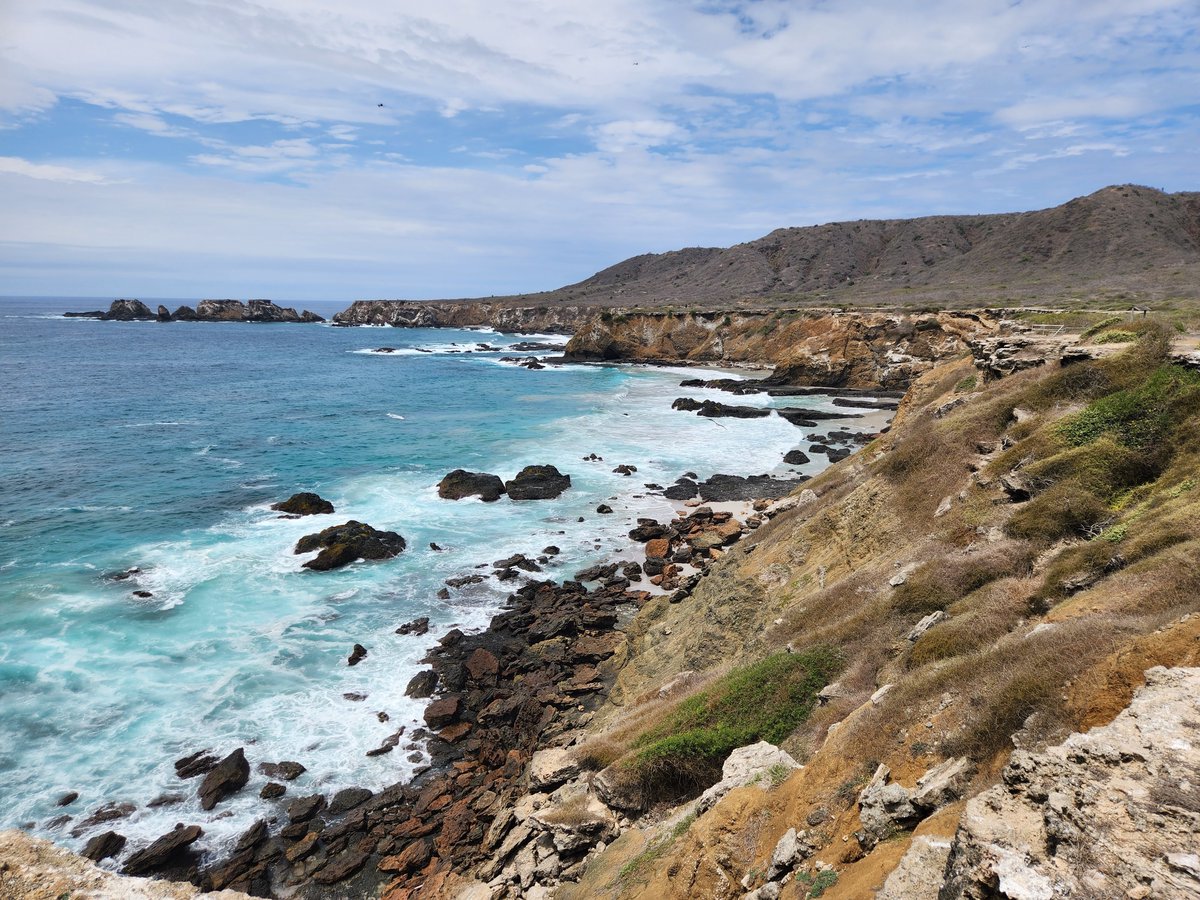
We were given some options for our hiking choices. We chose the longer one and followed our guide to the cliffs on the west side of the island. Everywhere we looked we saw blue footed boobies. The birds nest on the ground and we must have seen hundreds, if not thousands, of nests right off the footpaths that we were on. As we walked to the cliffs, the guide told us interesting tidbits about them, such as how to determine their age (the brighter and more intensely blue their feet, the younger they are) and gender (the males’ irises are more intensely yellow, and the females pupils are larger, and the females are generally larger in overall body size). I soaked all this up, stored it away, and am ready to call upon it when I am playing trivia at a later date.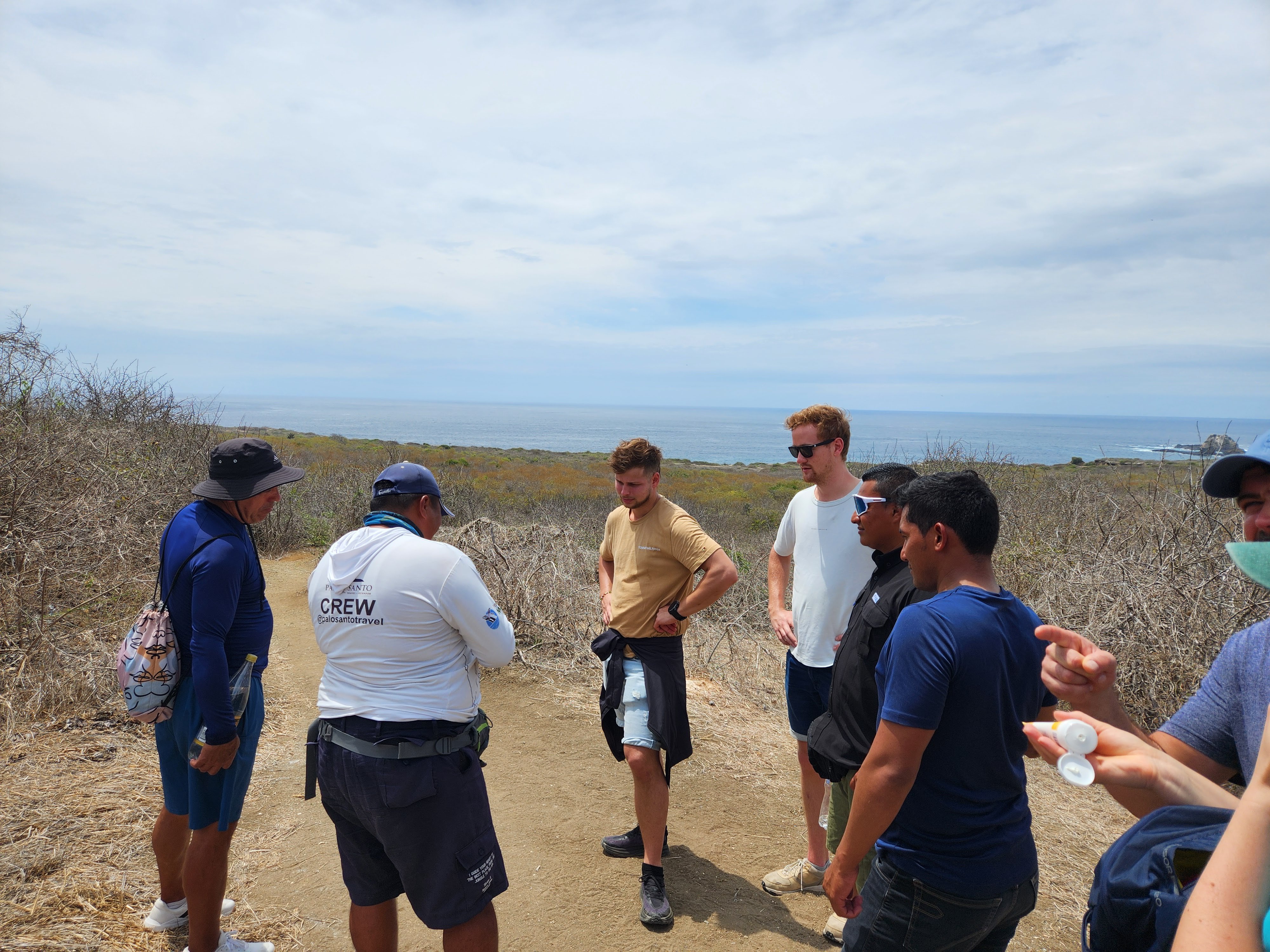
Now, one of the things that the pictures will not give you an accurate portrayal of was the smell. Tens of thousands of fish-eating birds all nesting on one small island creates quite the aroma. As ground nesting birds, they strategically excrete in a ring around their ground nest as a smelly defense against rats who are repelled by the booby guano. Rats1 are an invasive species here, introduced accidentally via some of the first ships that stopped at the island centuries ago, and since the blue footed boobies are ground nesting, pose a real threat to the life cycle of the birds, as rats find their eggs rather tasty and quite easy to access.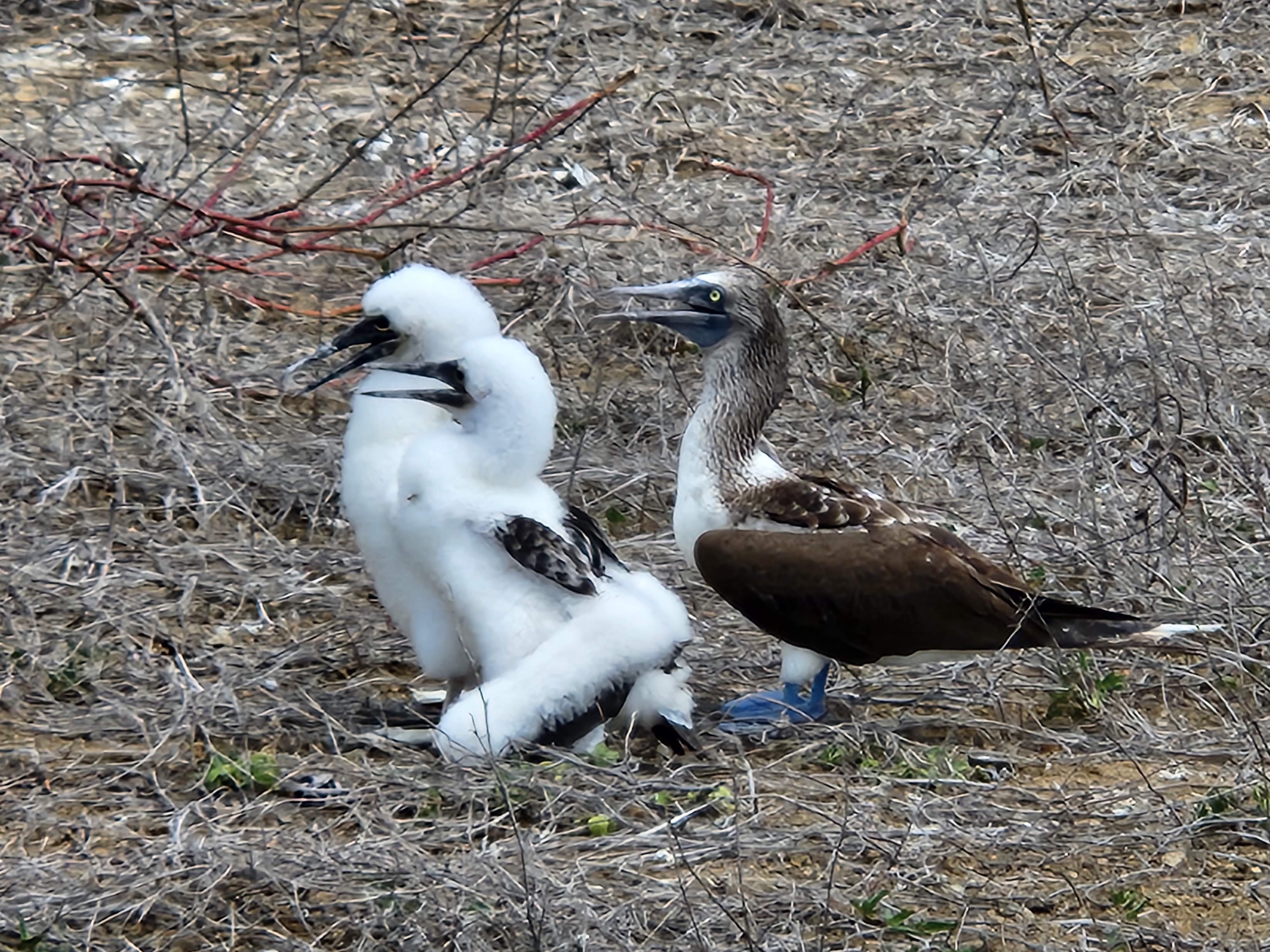
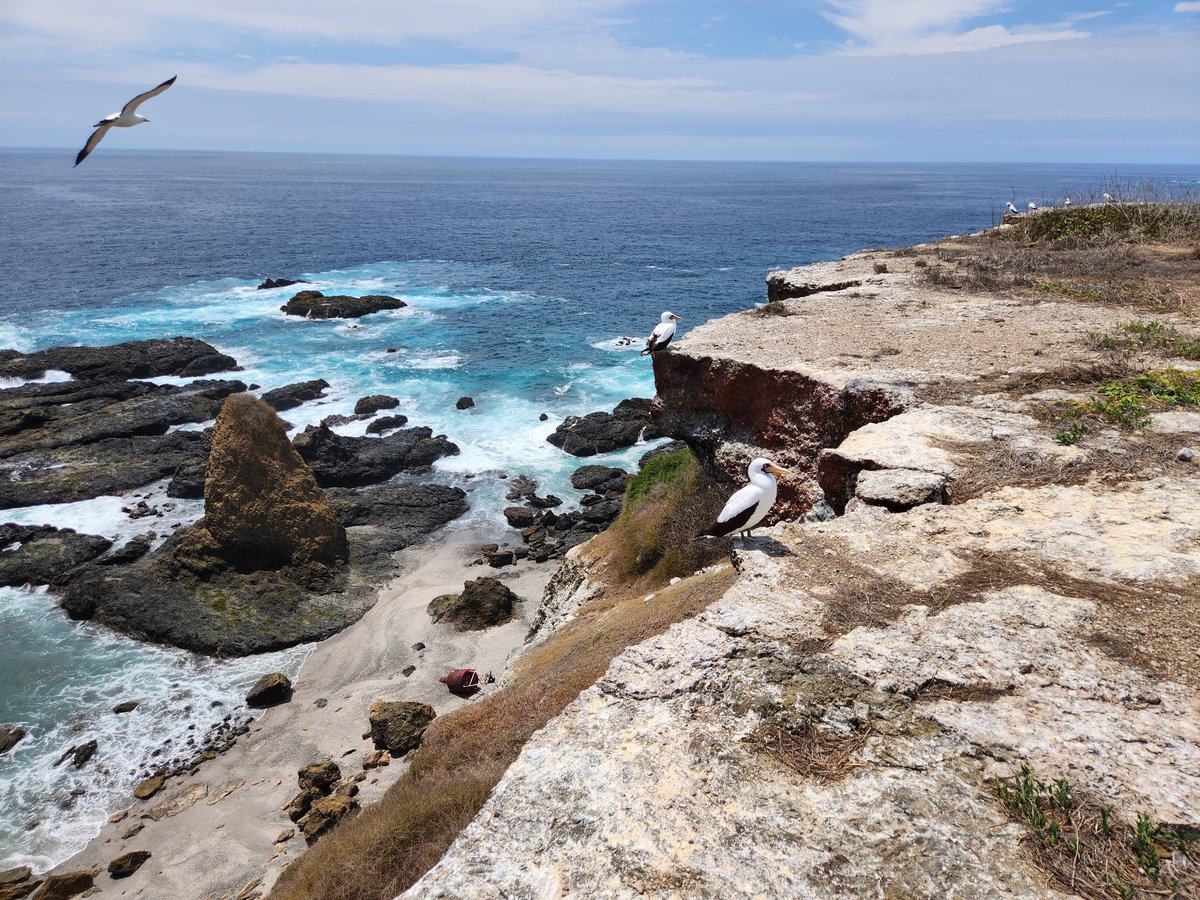
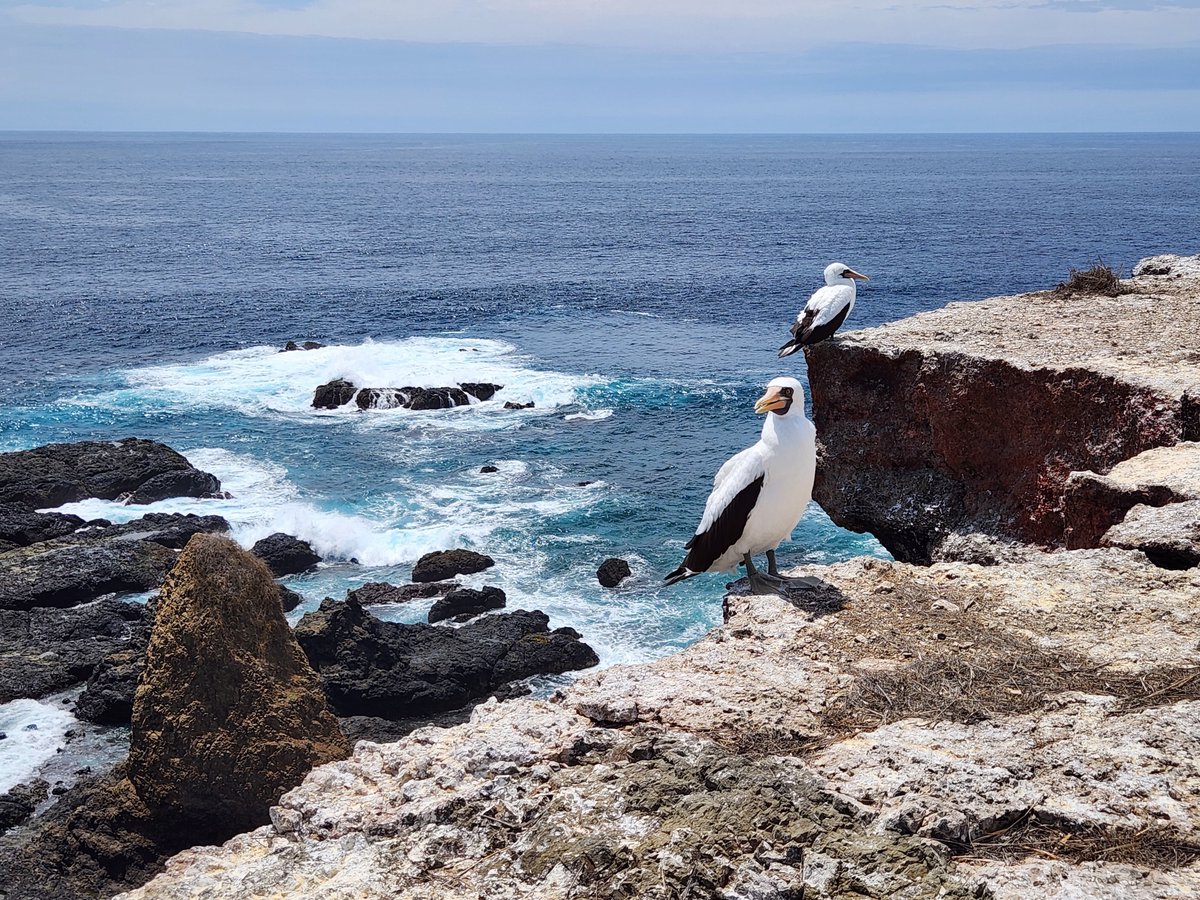
Once at the cliffs we were mesmerized by the sheer volume of bird life. The bird air traffic was unbelievable and we got to watch all sorts of species flying and fishing for meals to feed themselves and their chicks, including the sleeker and less cartoonish red footed and Nazca boobies. Eventually we were told that it was time to head back down to the boat so that we could snorkel. Downhill was much easier than going up and it had gotten even hotter since we had first arrived so the thought of snorkeling was quite appealing at this point.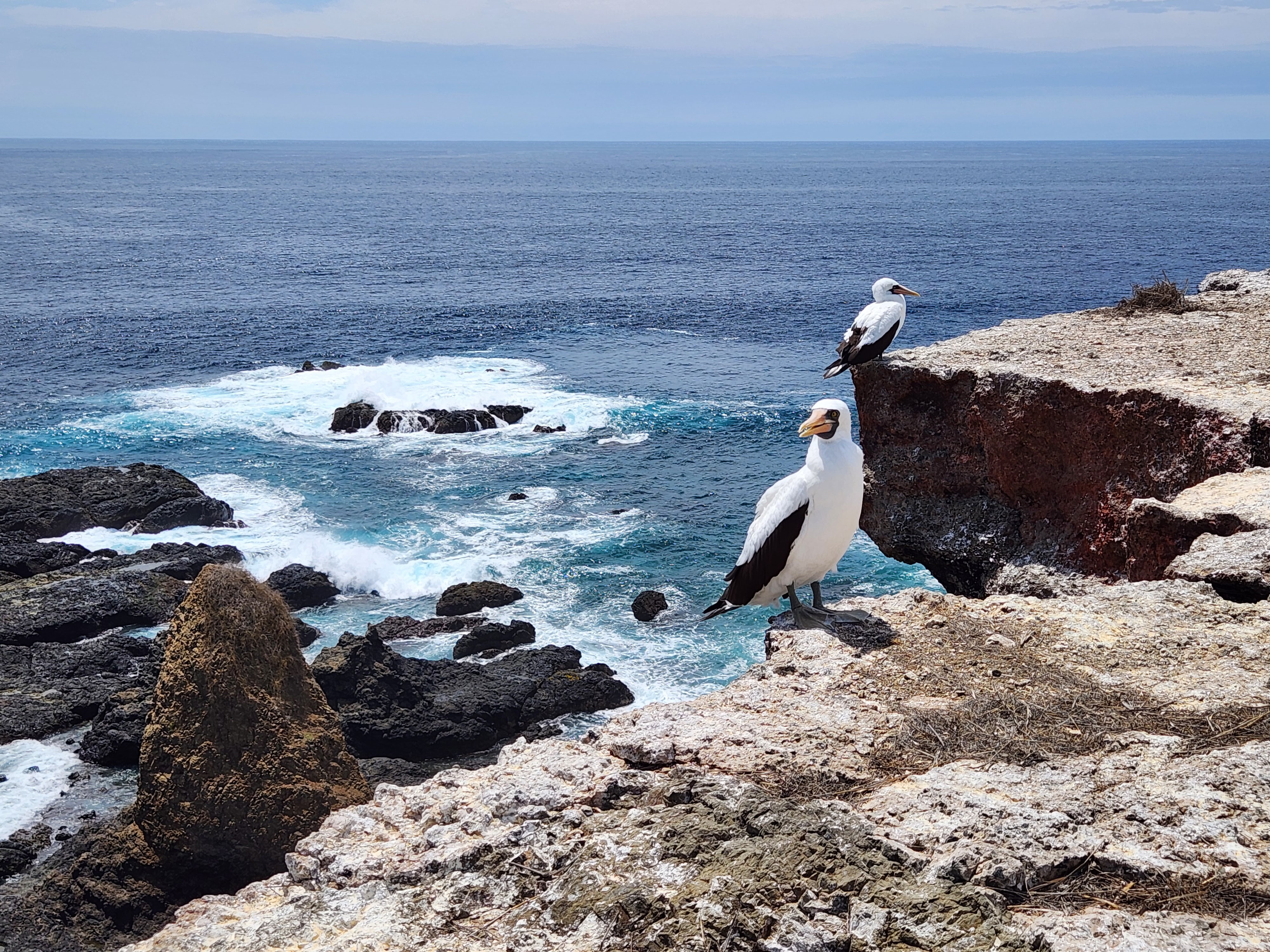
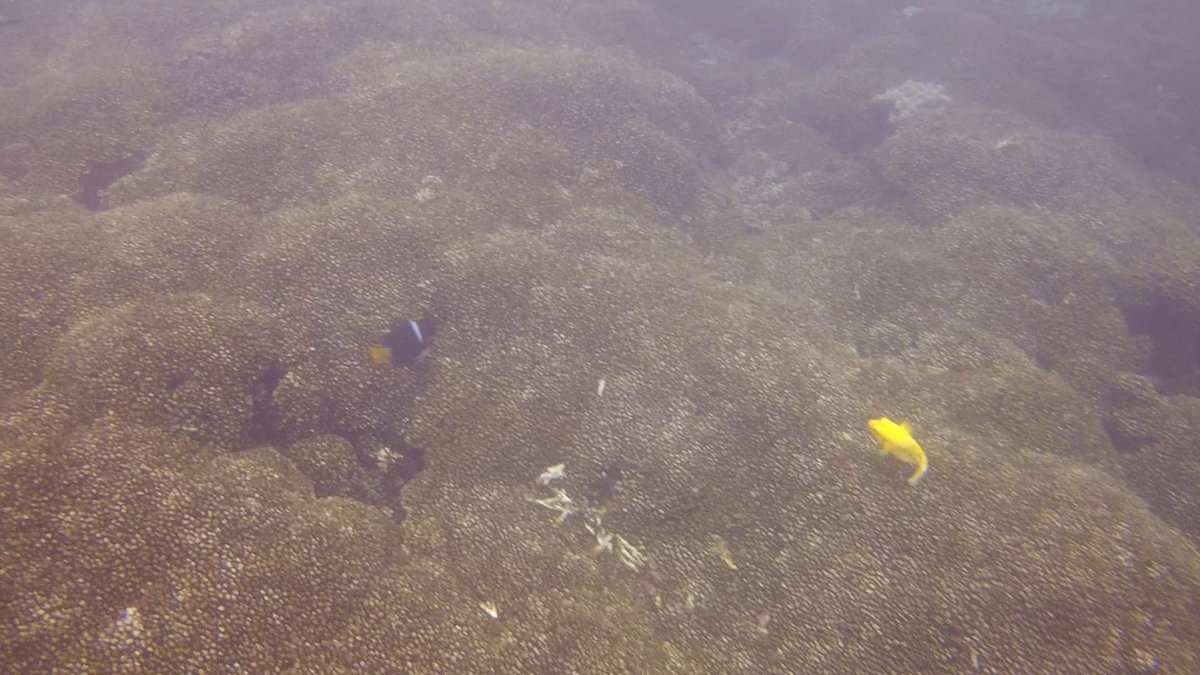
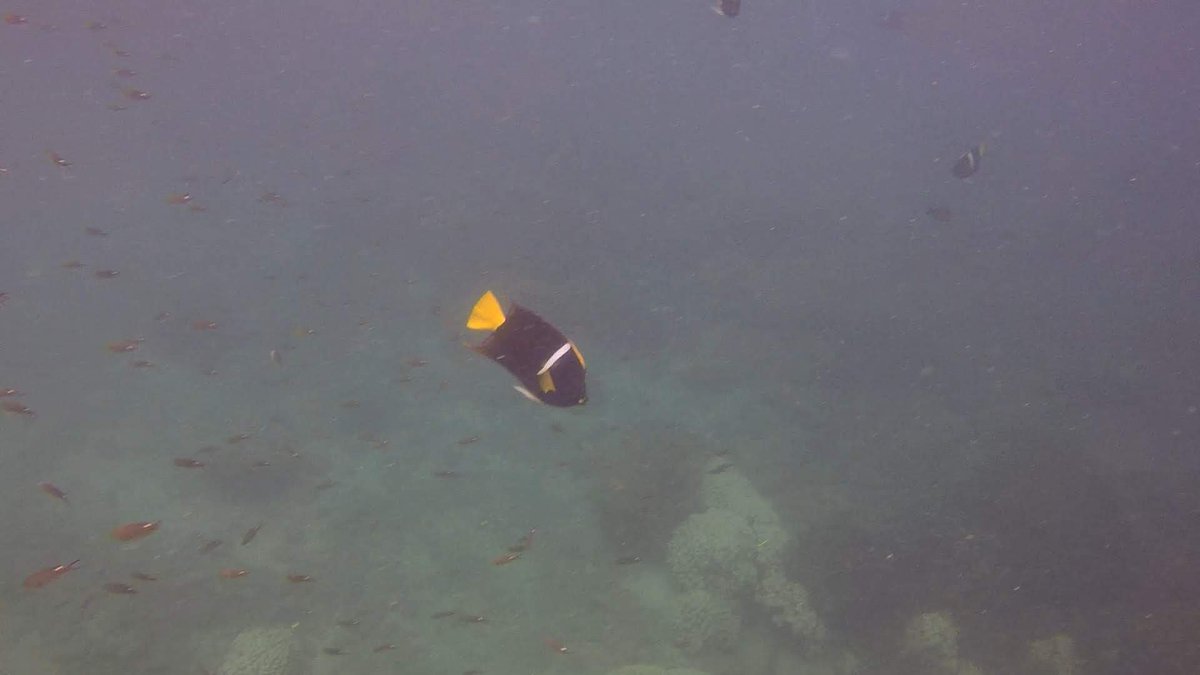
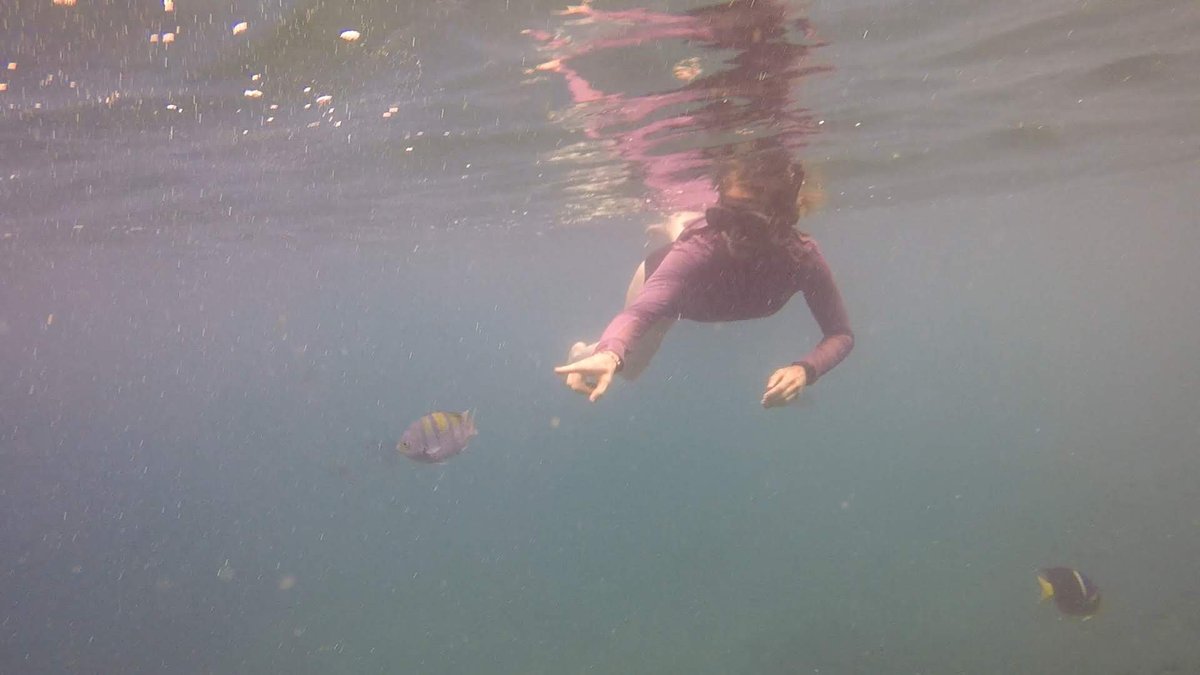
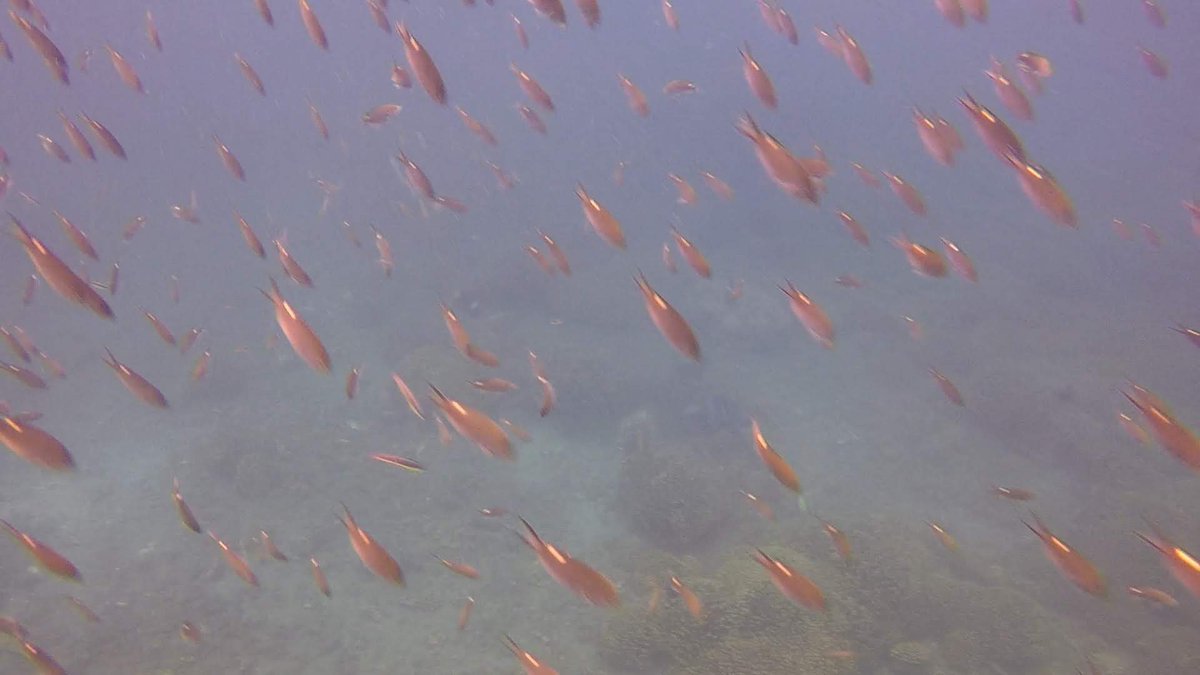
Once aboard the boat they fed us lunch, and then were given snorkel gear and taken a short distance from the shore to Bahia Drake, one of the spots where Scott had dived yesterday. The water felt incredible and in no time we got to see several schools of vibrant tropical fish. Our guide announced that a sea turtle had been spotted and we swam out after him in hopes of getting a view of it. We were successful and got to observe the turtle swimming around for several minutes. After about a half hour of snorkeling we were summoned back to the boat so that we could return to Puerto Lopez.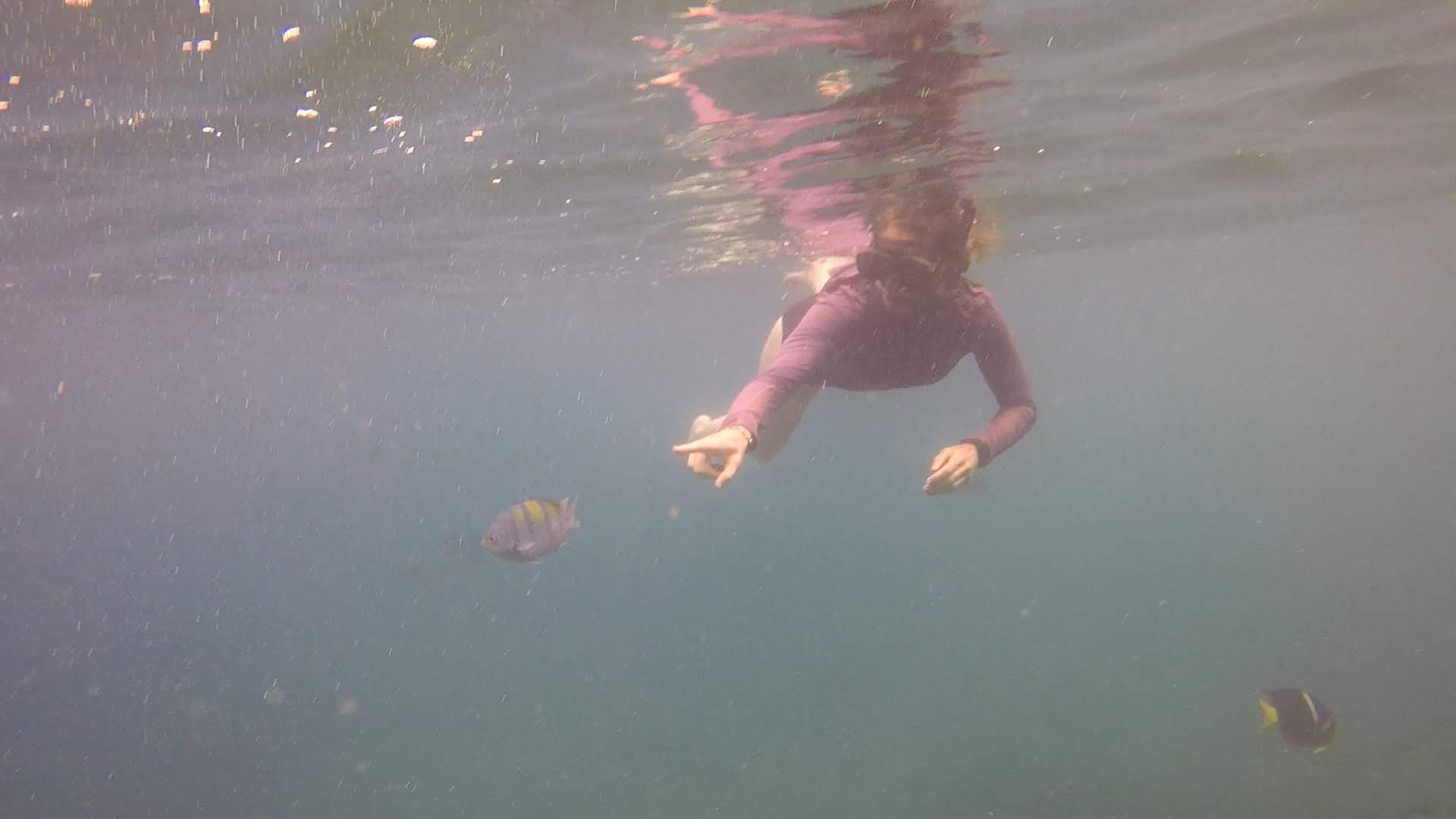
The first half of the boat ride was uneventful, albeit quite rough, but the second half was marked by the boat running on fumes and eventually, completely out of fuel. A few times the boat petered out entirely and the crew went to the engines and worked some sort of magic, nursing fuel from what looked like an empty gas can. We weren’t entirely sure how they did it but whatever they did worked to get us safely back to the dock.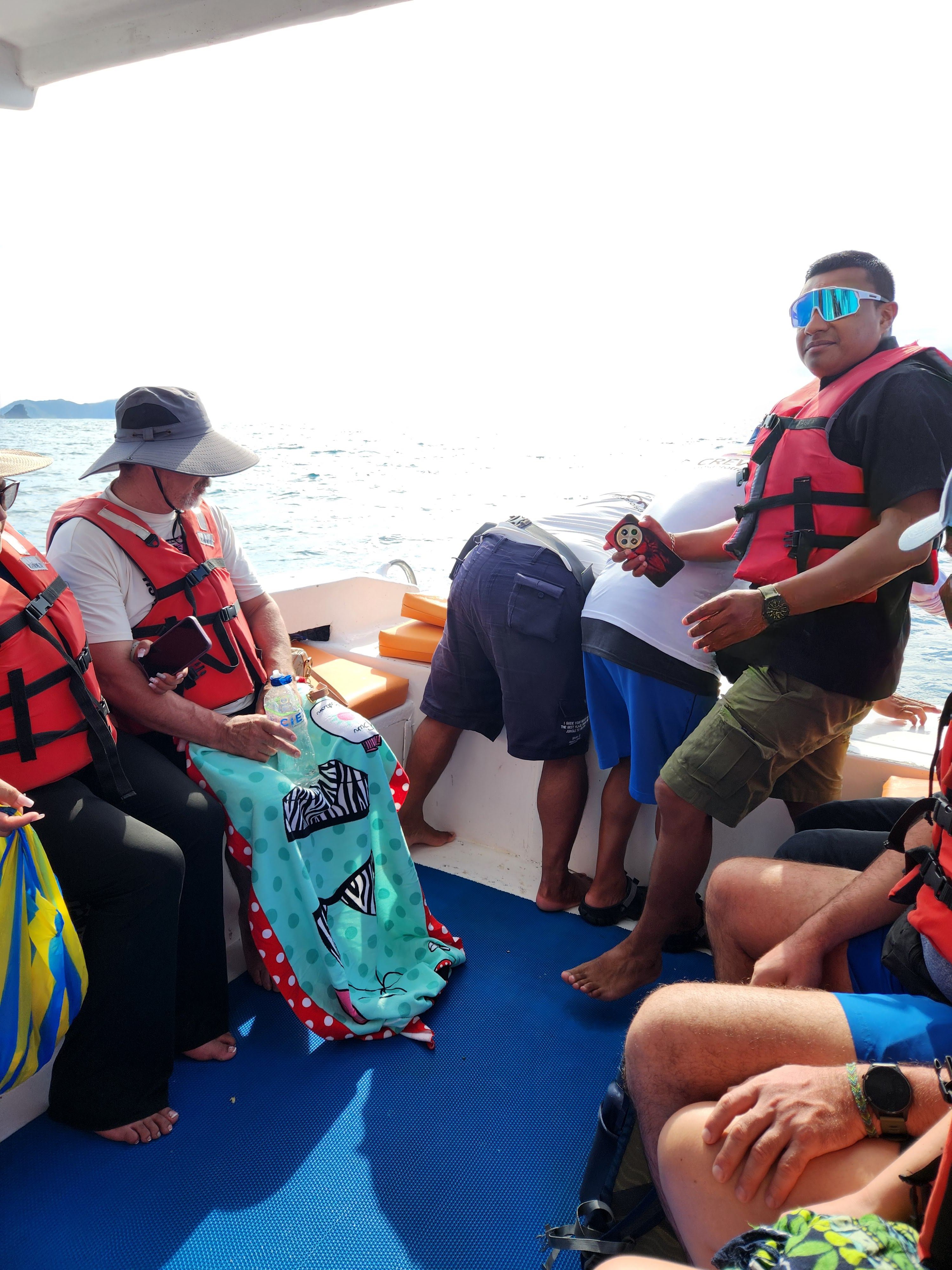
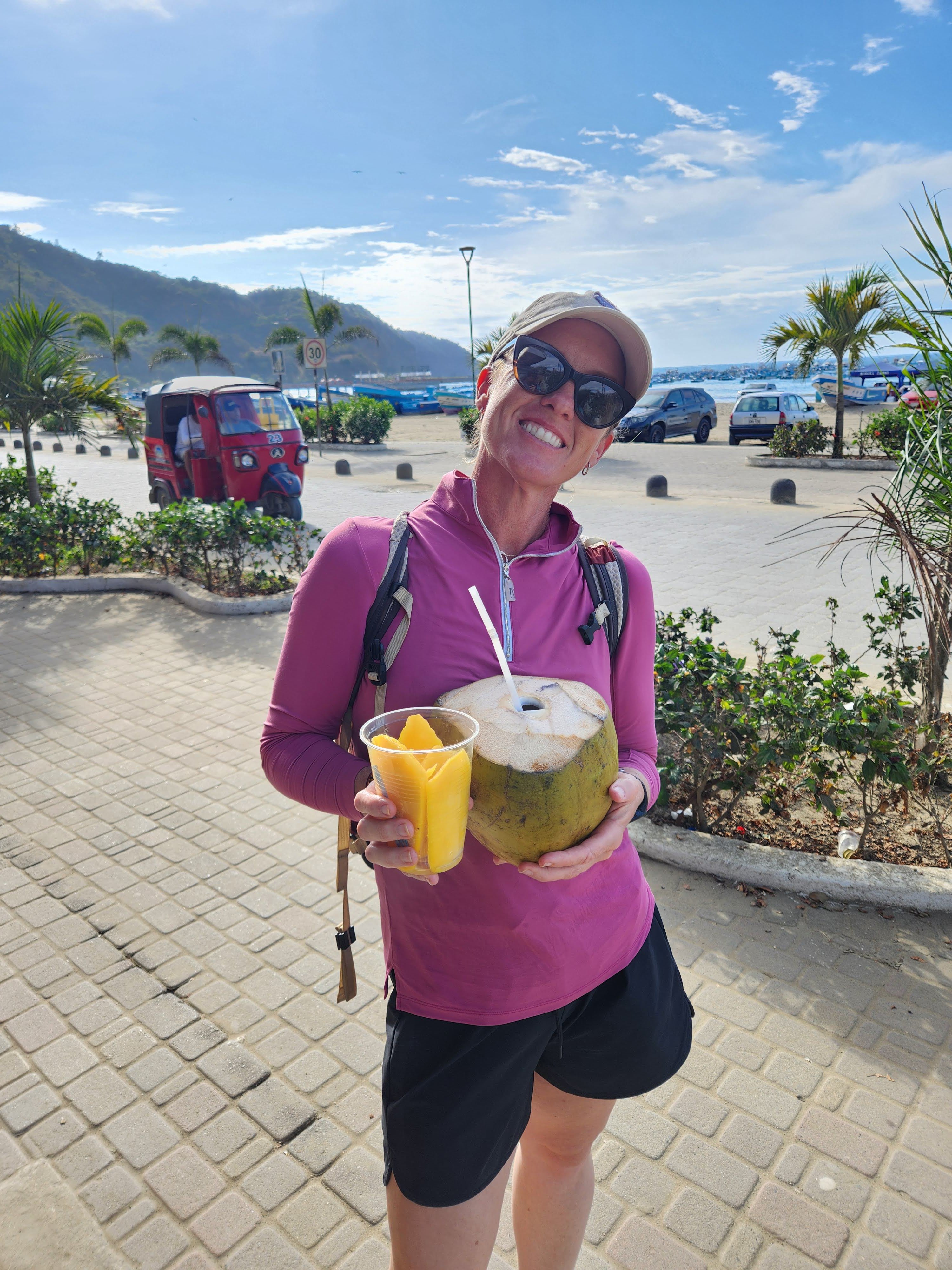
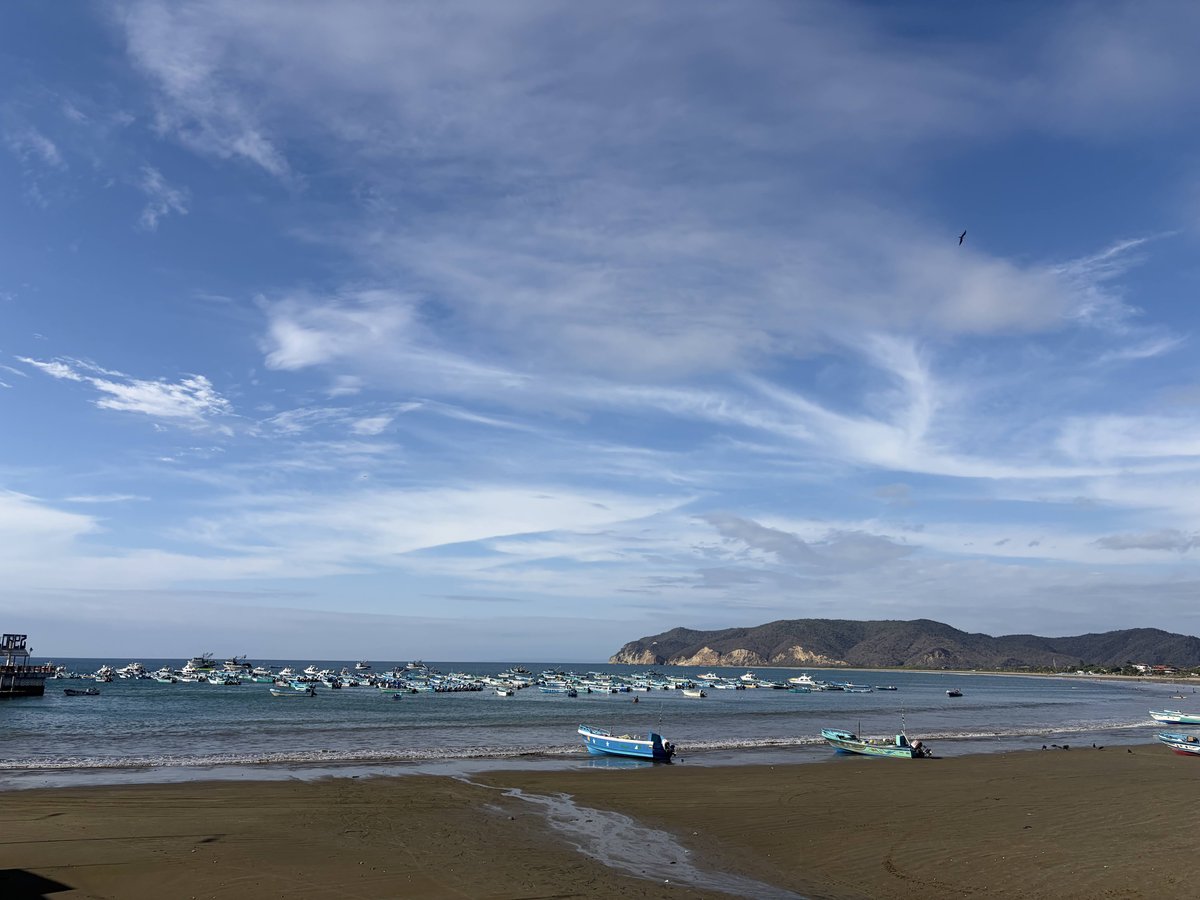
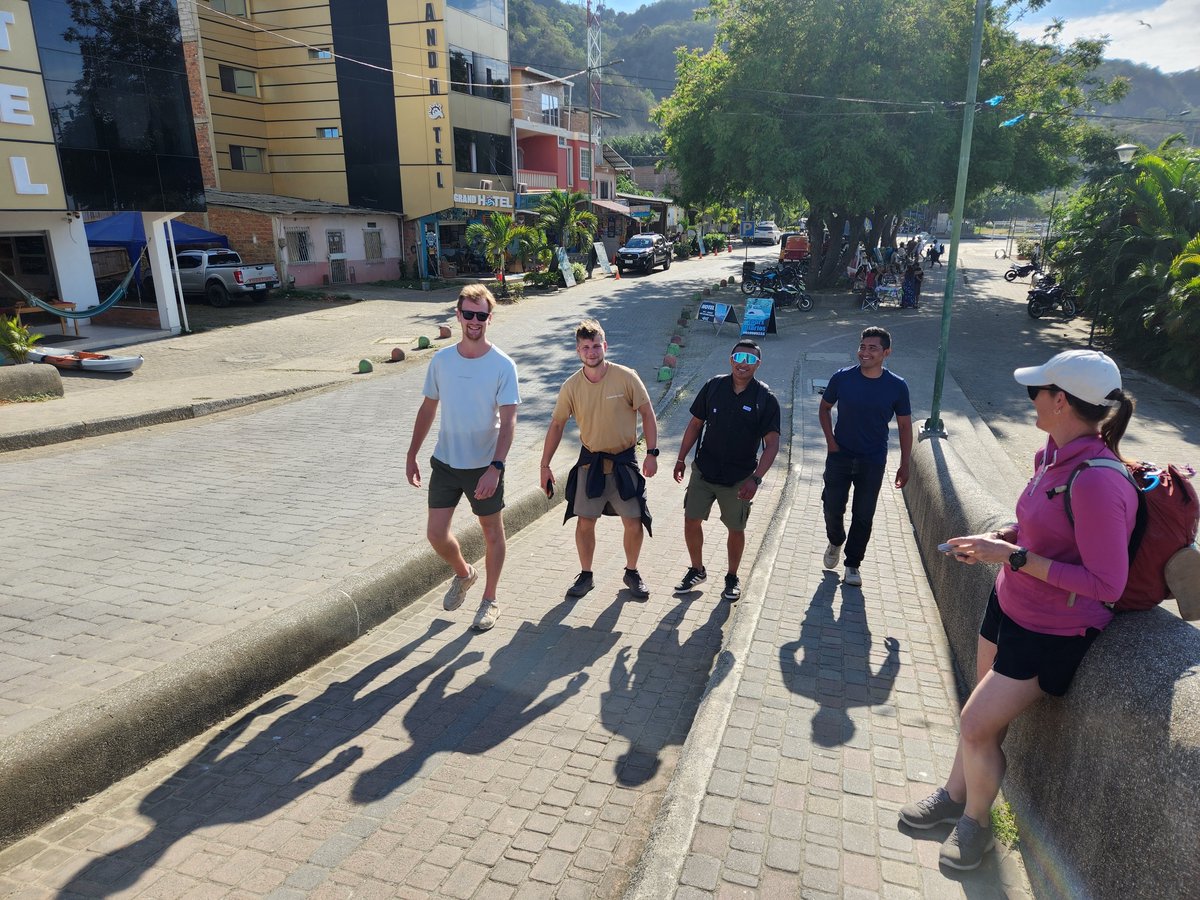
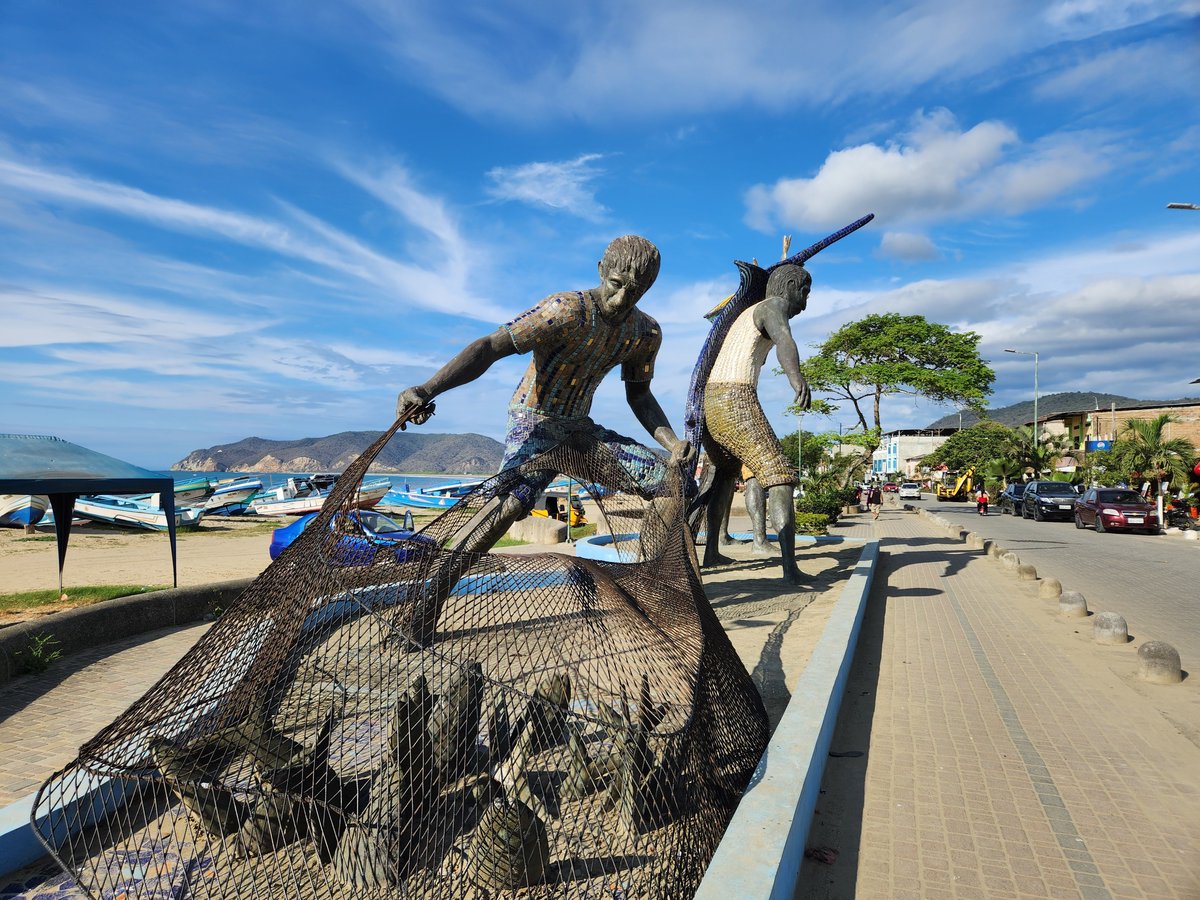
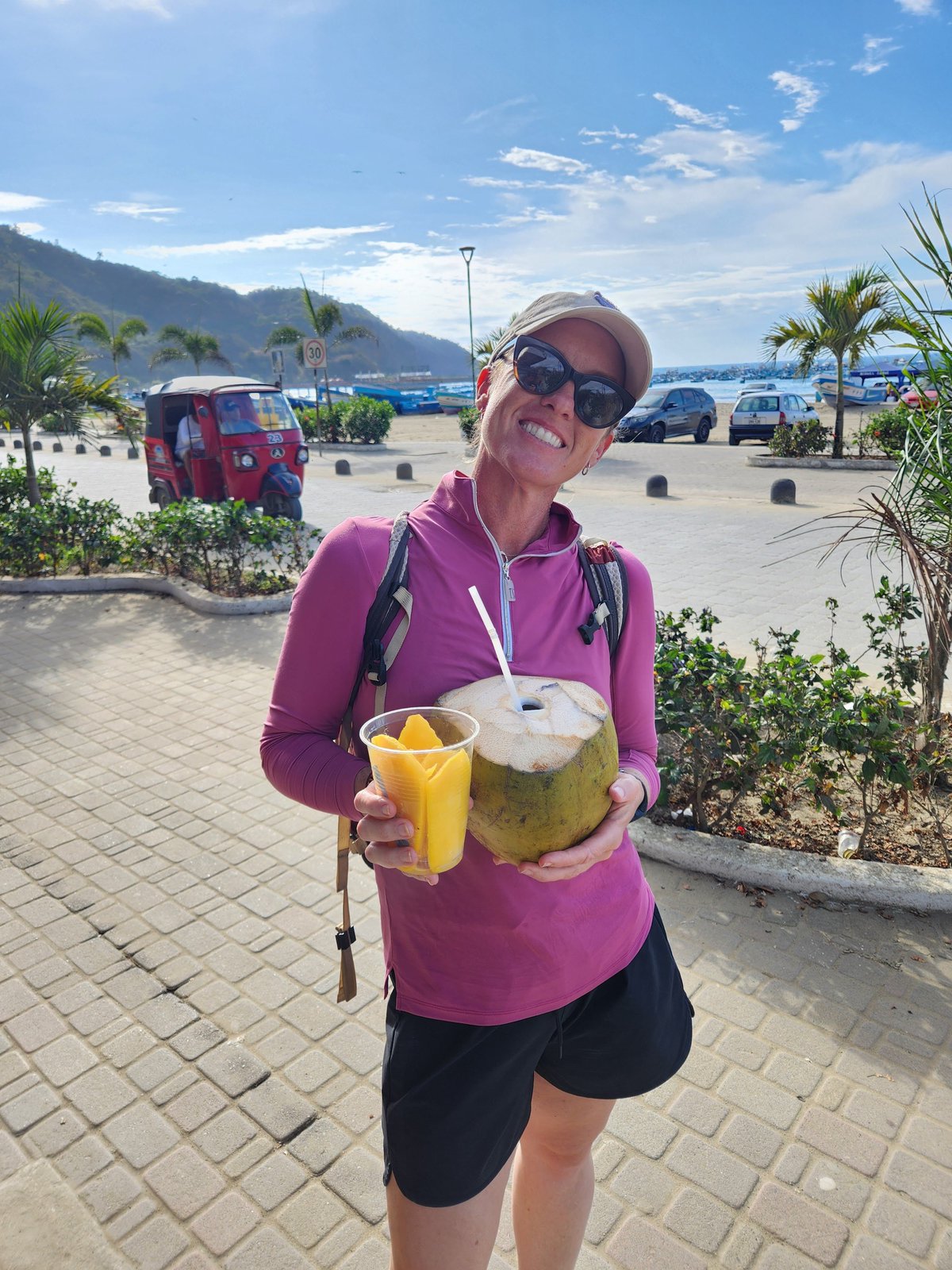
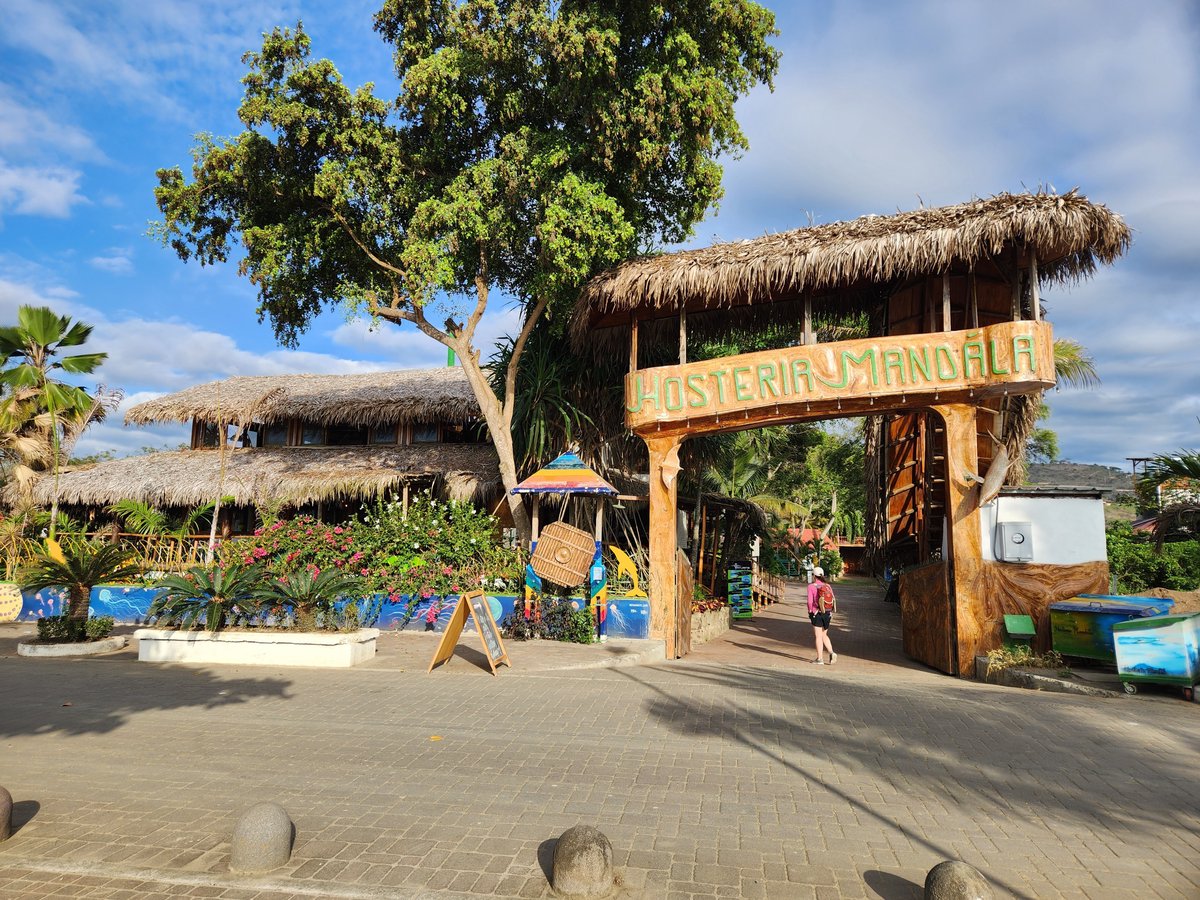
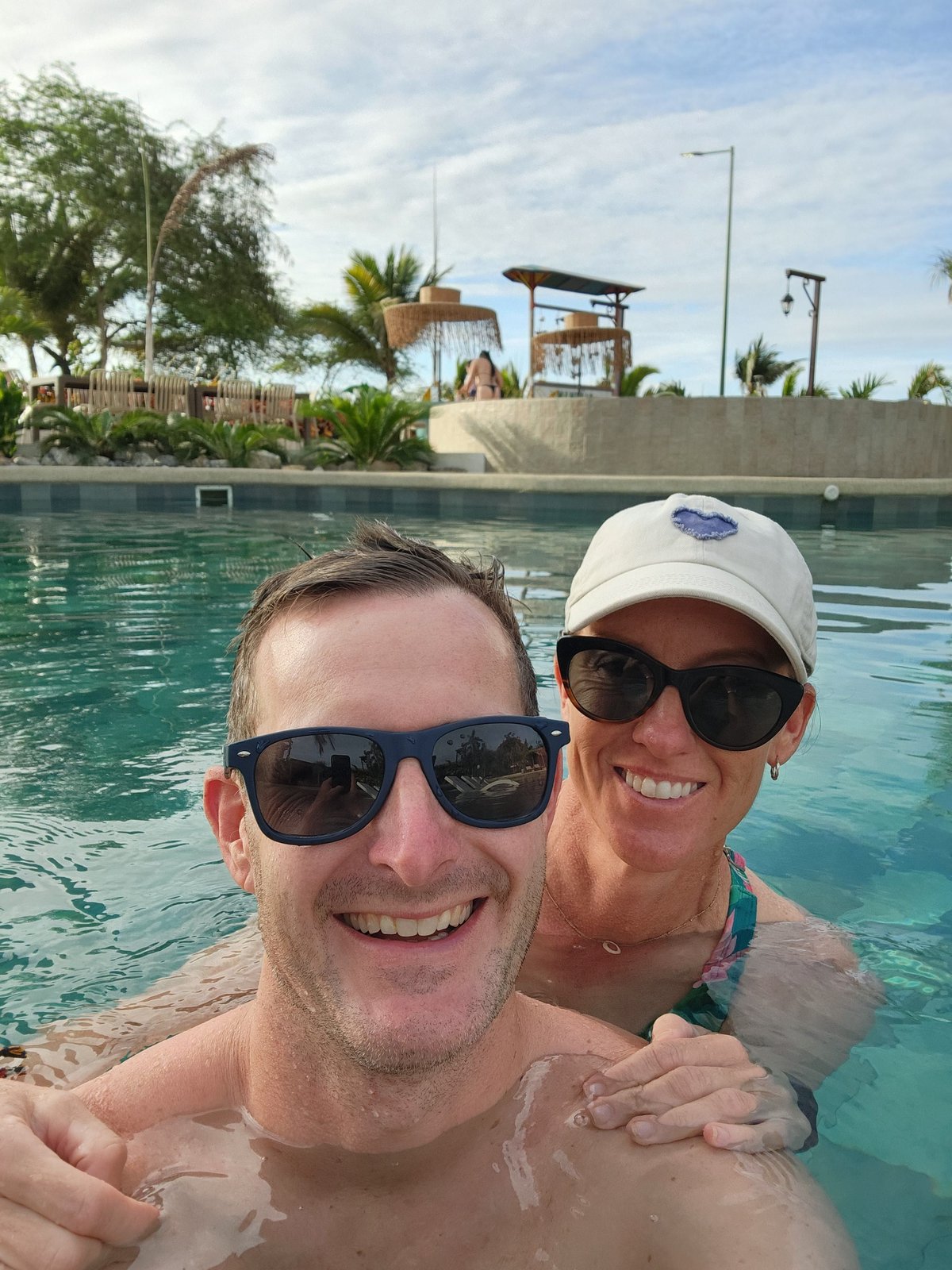
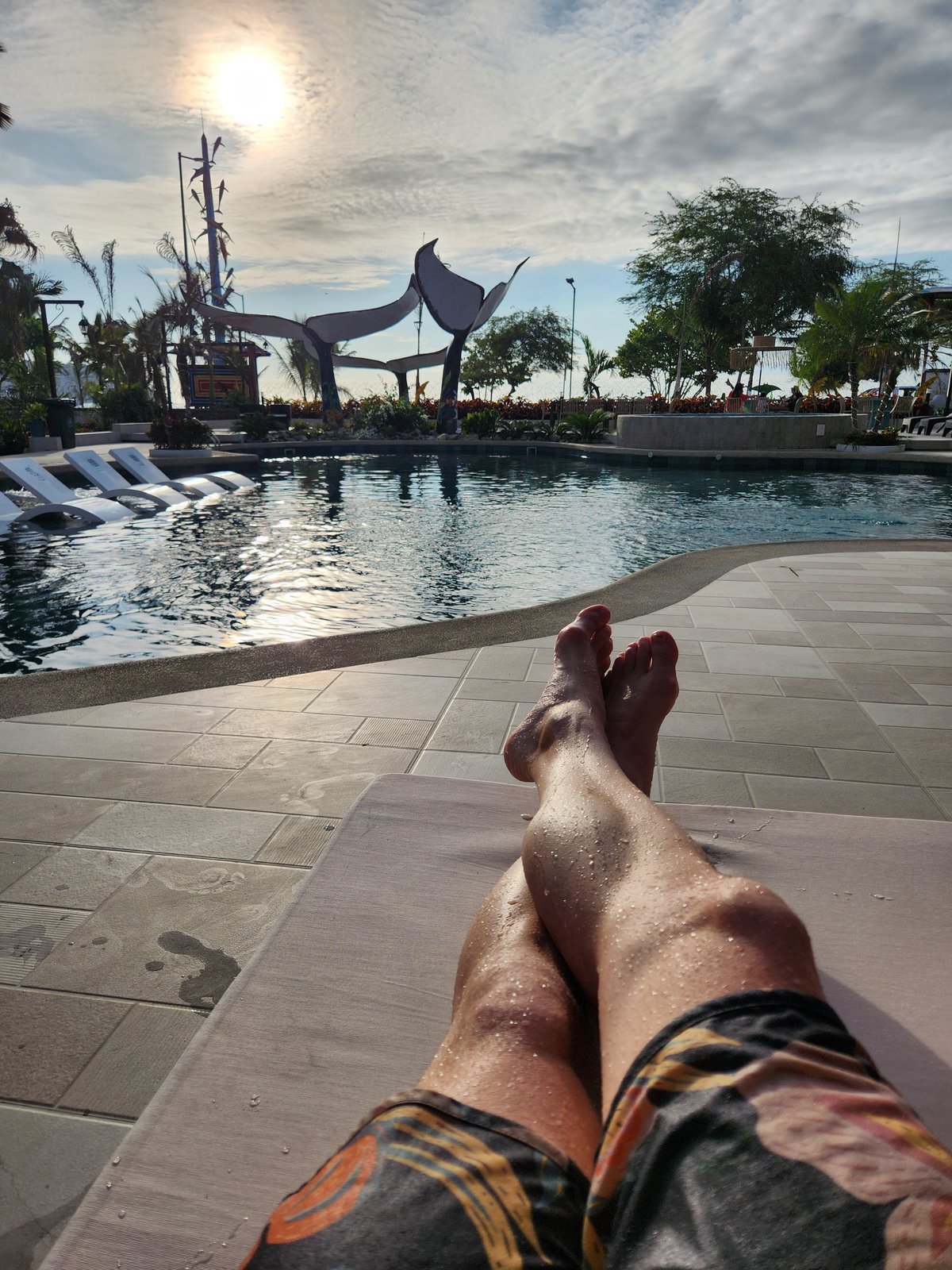
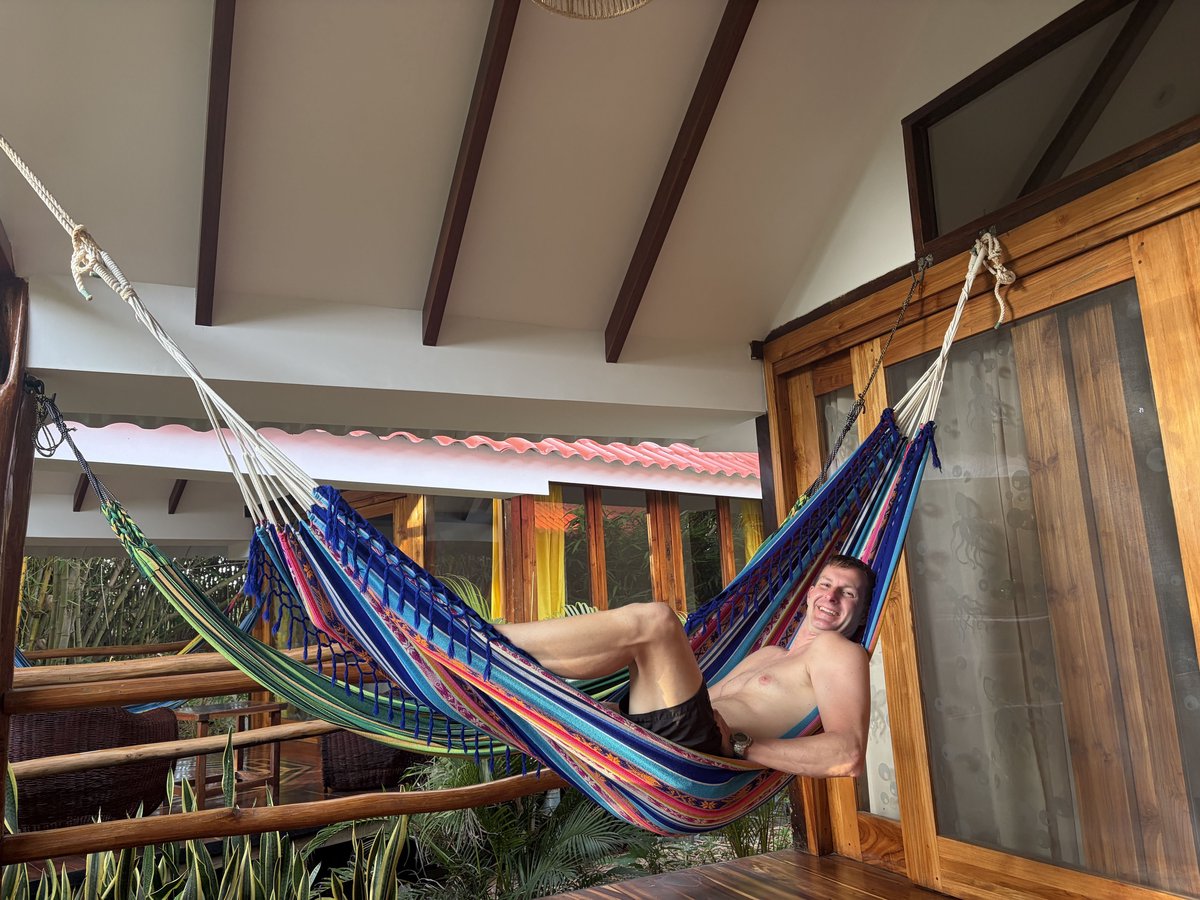
Once back in Puerto Lopez we said goodbye to our Dutch engineer friends and their security entourage and wandered through town and stopped at some of the local street vendors’ carts for a coco frio (a chilled coconut with its top cut off and a straw inserted inside so you can drink the coconut water) and fresh mango. Eventually we made it back to the Hosteria Mandala and decided to take a dip in the pool and then relax in the hammocks hanging on the Pulpo’s front porch before cleaning up for dinner.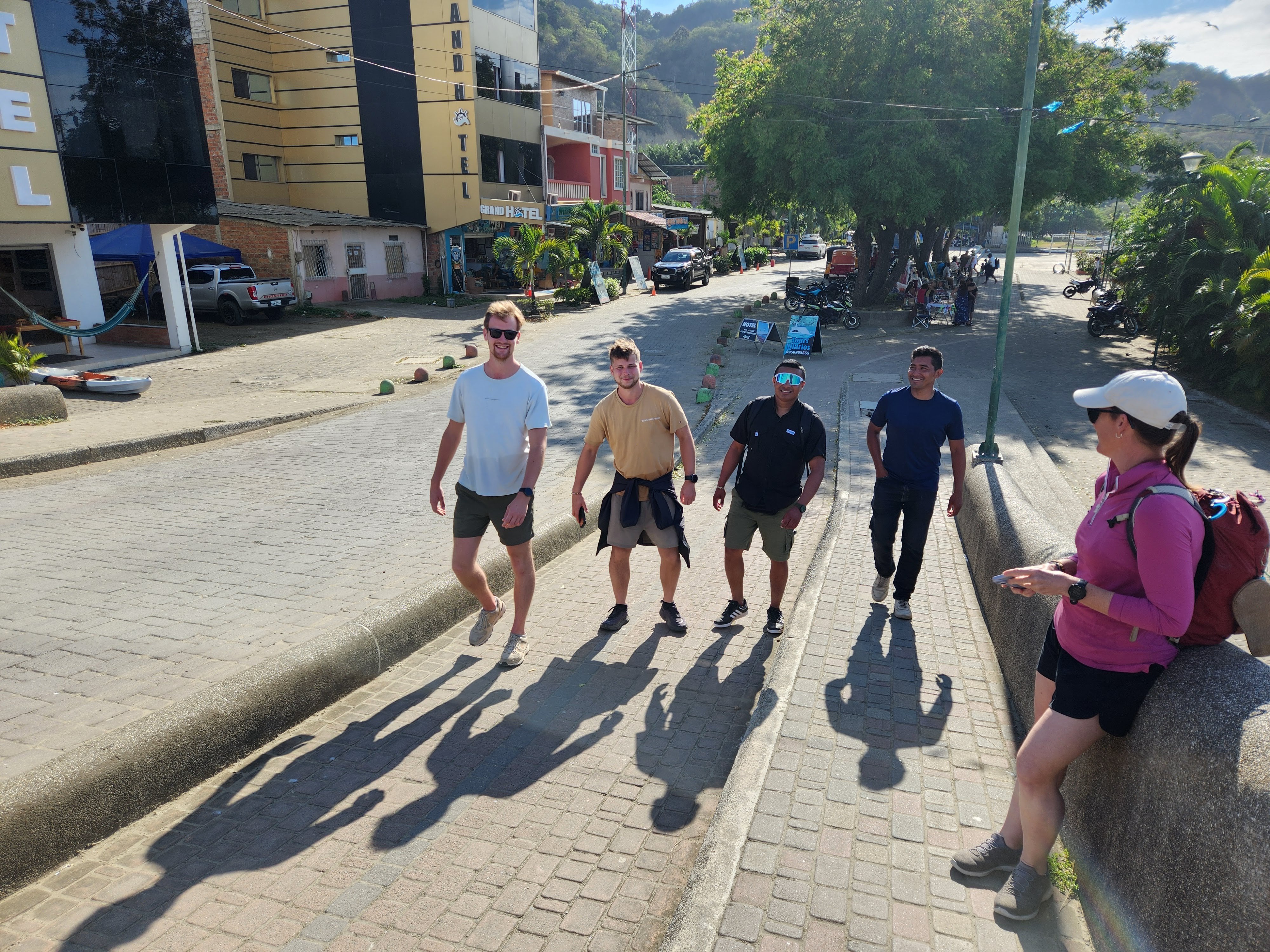
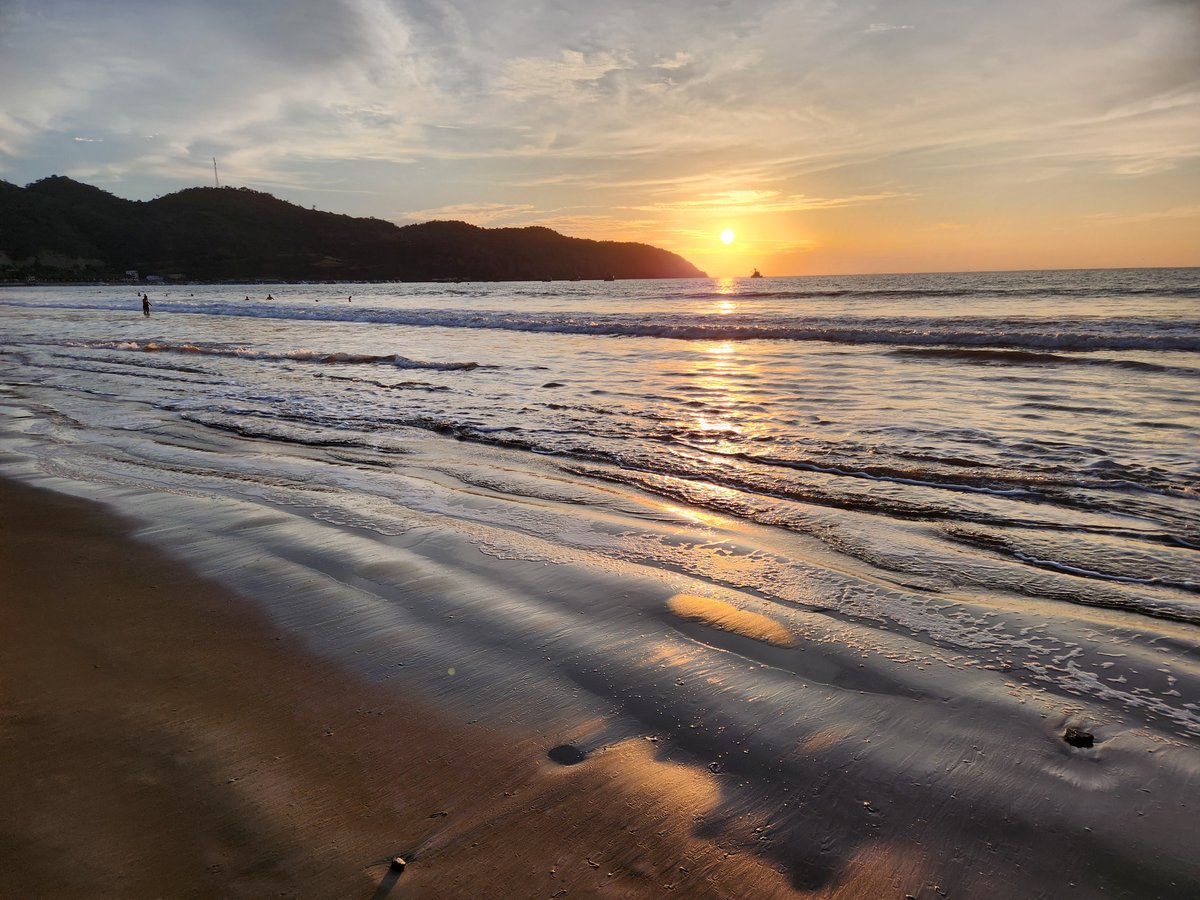
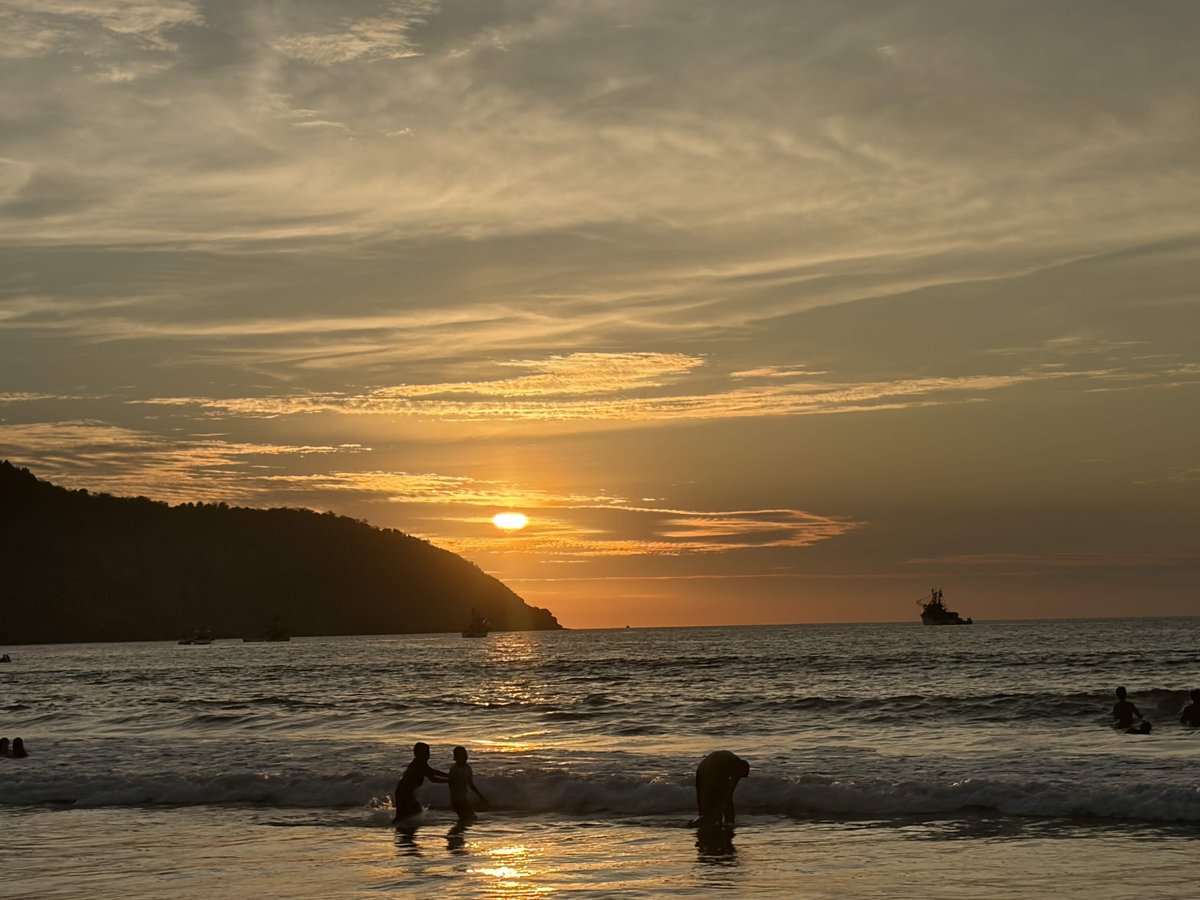
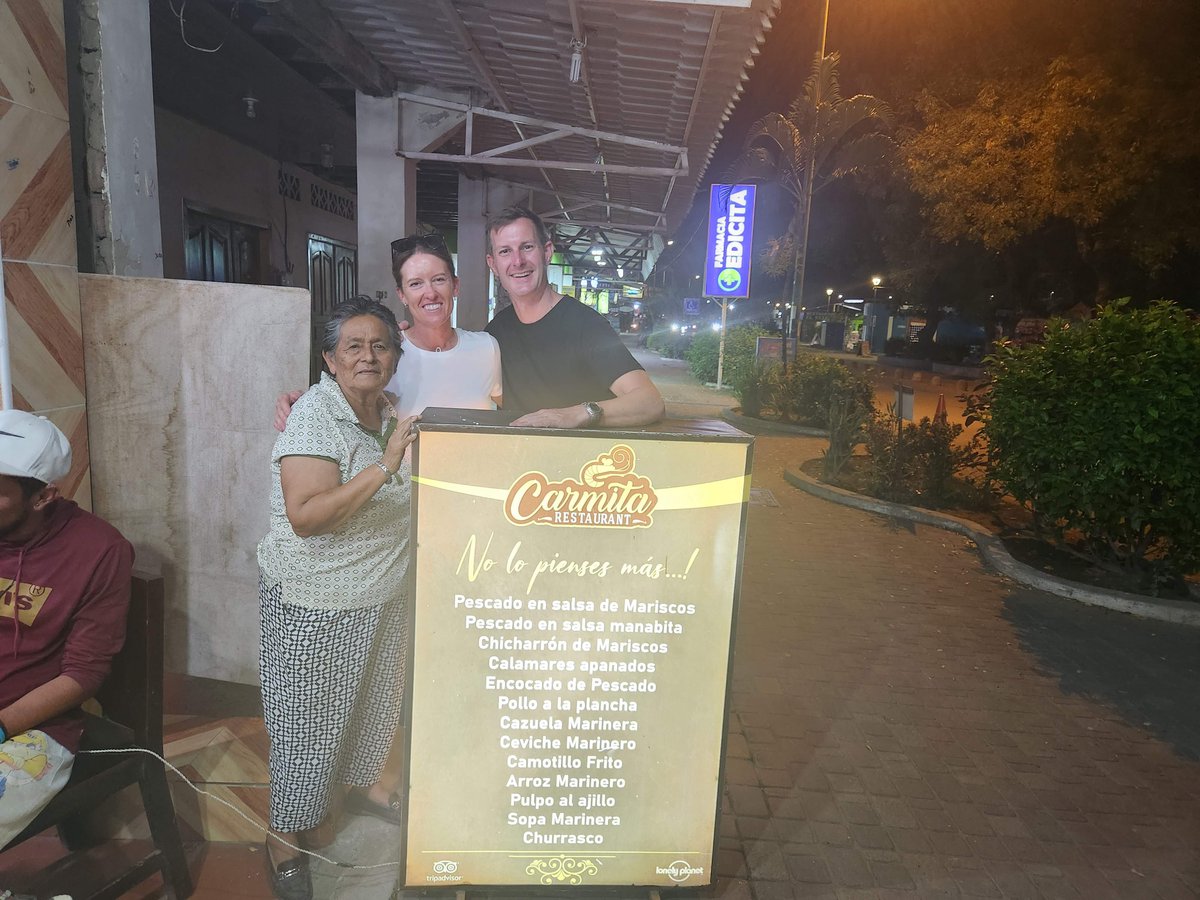
Before strolling back into town we caught the sunset from the beach outside our hotel. We had enjoyed our first visit to Carmita’s so much that we decided to visit there again for tonight’s dinner. We had another lovely meal and chatted with Carmita herself via Google translate and poorly mangled Spanglish on our part. She seemed to enjoy telling us that her restaurant had been around for 45 years and was the first in Puerto Lopez and she happily obliged when we asked her to pose for a picture with us outside the restaurant. Carmita was yet another friendly Ecuadorian that went out of her way to make our trip extra special.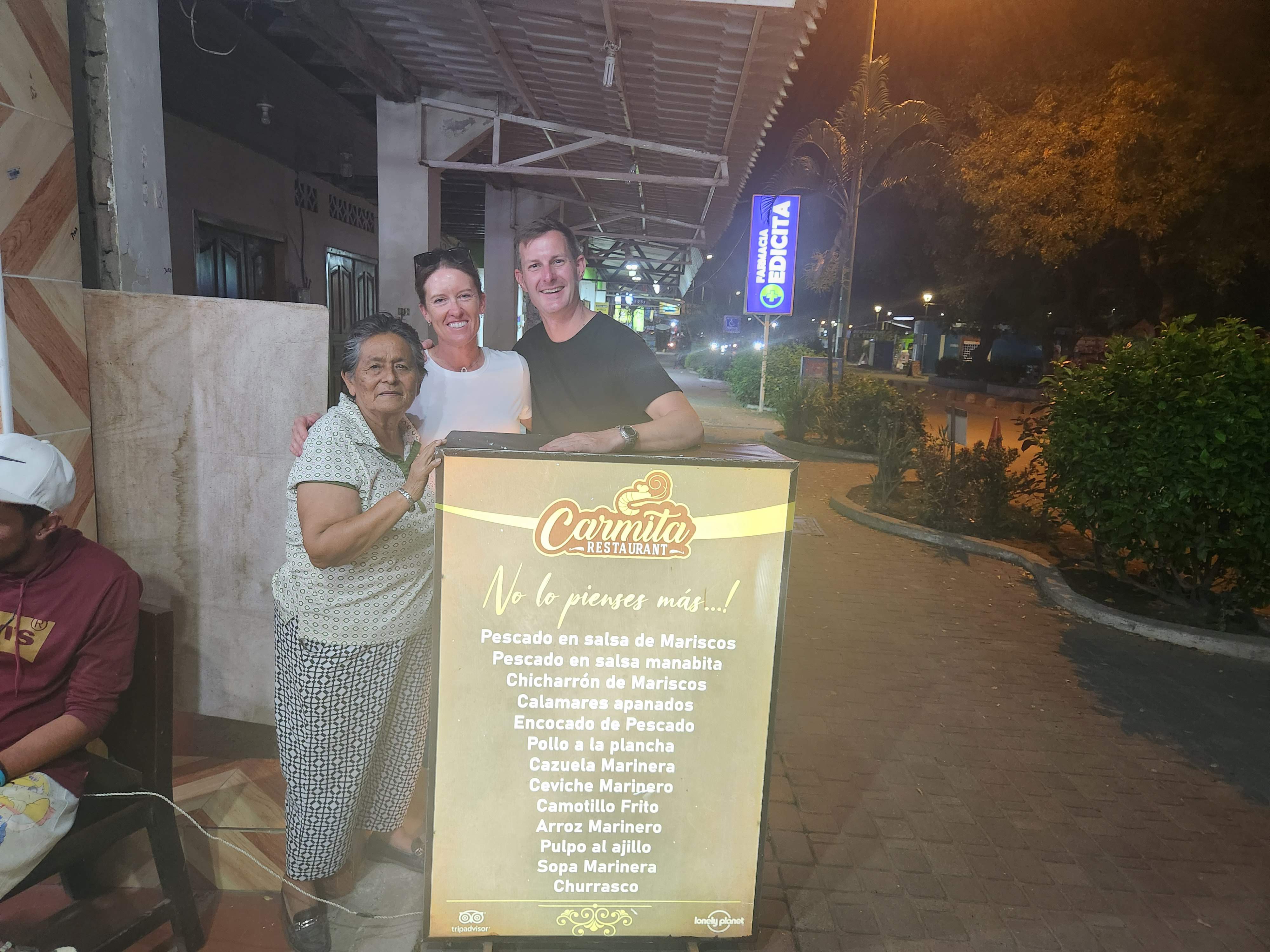
We walked the length of Puerto Lopez for the umpteenth time that day to return to our charming little seaside Pulpo bungalow, said buenos noches to our last full day in the small South American country that we had officially fallen in love with, and went to sleep with images of blue footed boobies dancing in our heads.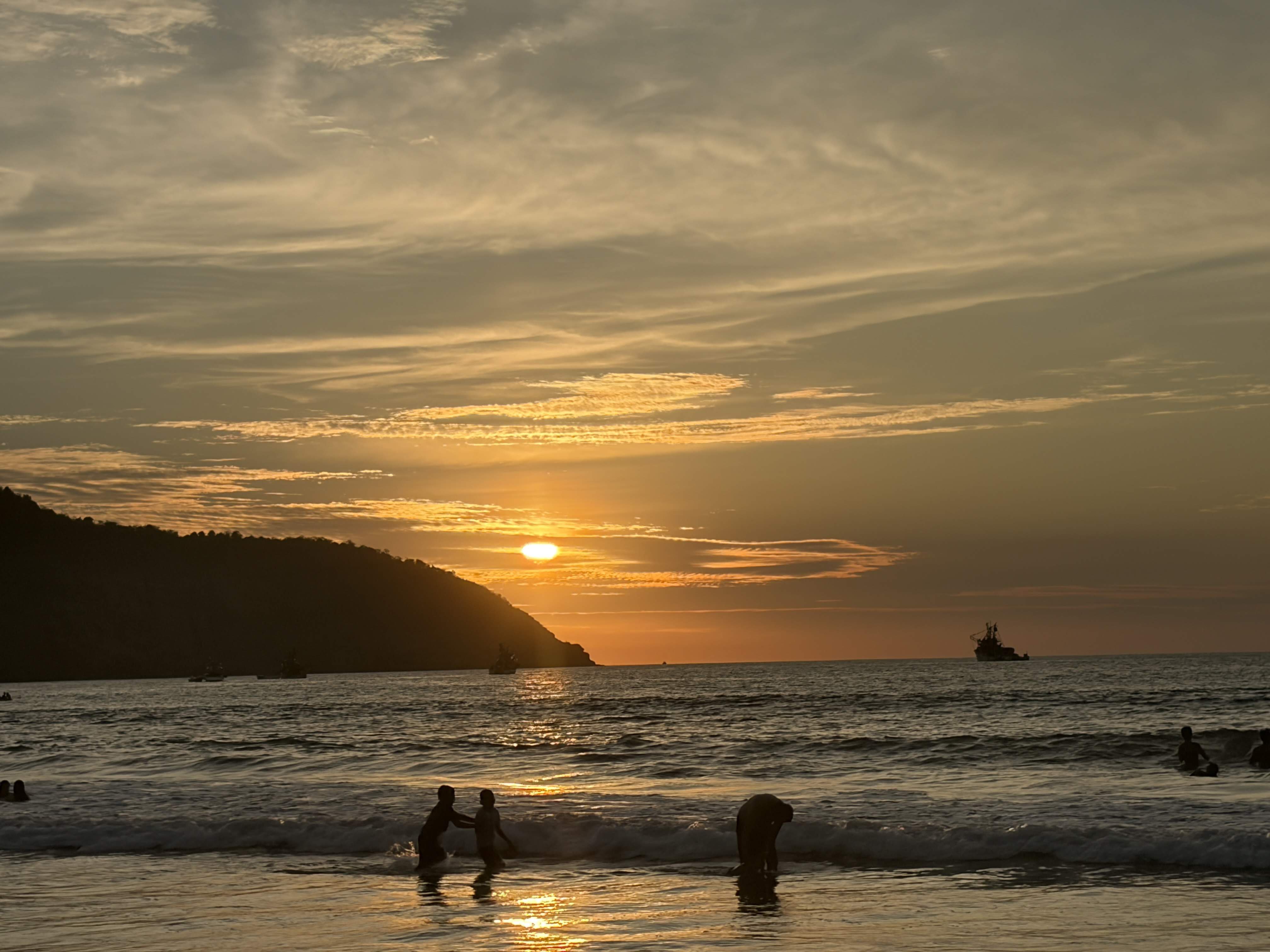
The park has taken steps to eradicate the rats such as putting out bird-safe rodenticide bait stations and making sure that tourists do not bring food onto the island, and their efforts have been fairly successful. ↩︎